The Story
Why it exists.
The beginning
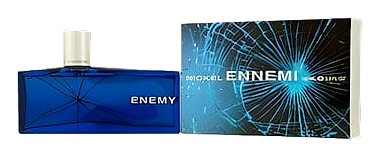
Enemy launched in 2003 as Nickel's first perfume. The brief landed with Emilie Coppermann, a perfumer working out of the Creations Aromatiques studio in France, and the result is a composition built on a single idea: contradiction dressed as warmth. The name says it plainly. Enemy, or Ennemi in French, frames the scent as something with edge, something that might push back against the wearer as much as it reveals them. Coppermann's formula leans into that tension, pairing bright citrus and dry spice against the heavier gravity of incense, ebony, and amyris. There is no floral softening here, no polite citrus opening designed to charm a department store buyer. The composition states its position early and then spends the rest of the day defending it.
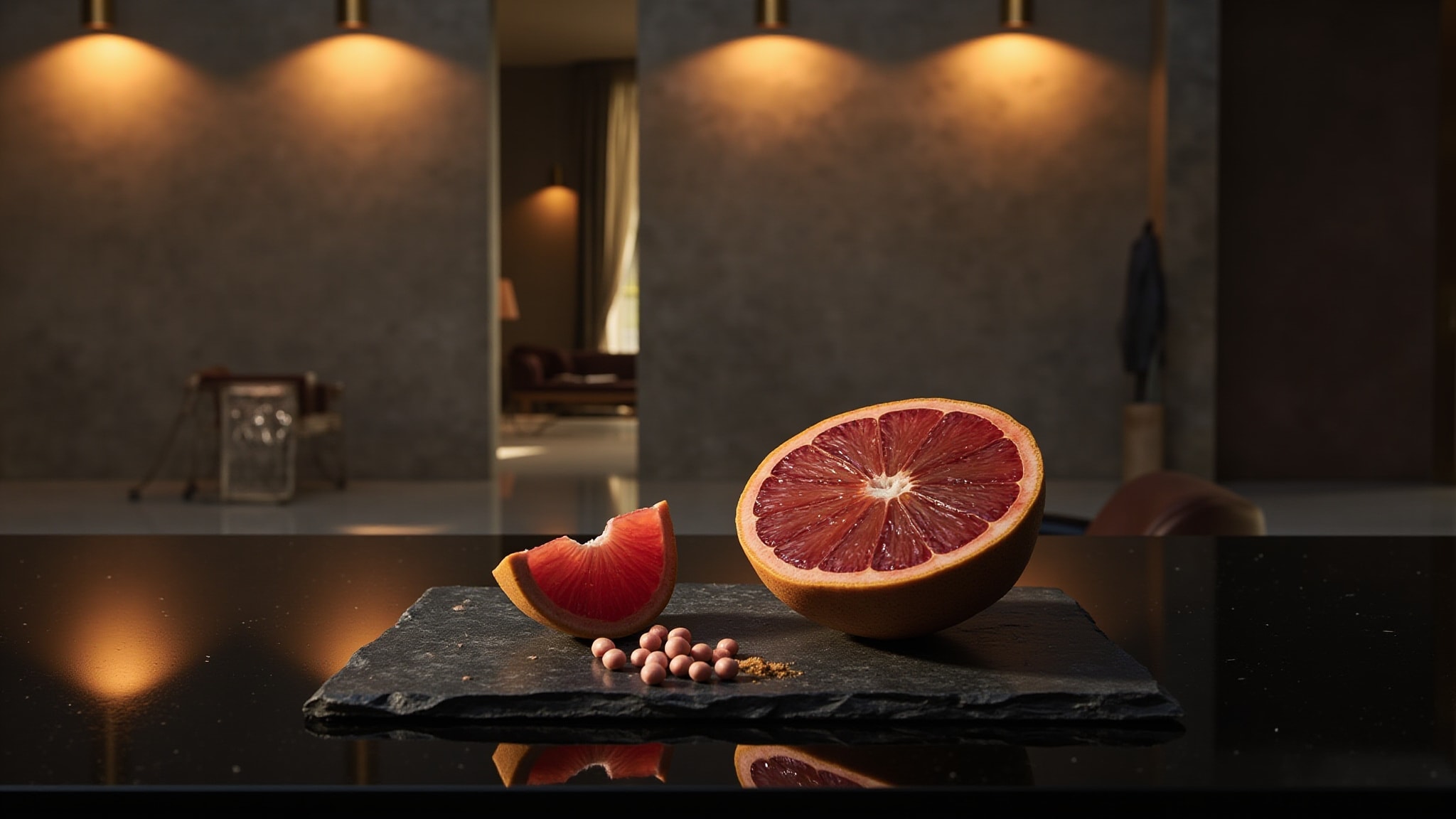
What makes Enemy unusual is how few materials it asks to do the heavy lifting. The listed notes, including incense, grapefruit, cardamom, amber, ebony wood, pink pepper, amyris, nutmeg, and paprika, could easily become muddled in a less disciplined hand. Instead, Coppermann organizes them into a clear impression: sharp citrus, dense wood and resin, and a smoky pepper-amber current that keeps the whole composition upright. The paprika and pink pepper are doing more work than they appear to. They are the friction, the part of Enemy that earns its name.
The evolution
The first twenty minutes belong to the grapefruit. It arrives sharp, almost sour, and works against the cardamom so the opening feels peppery rather than sweet. The pink pepper and paprika layer in quickly, and the whole thing smells briefly like a kitchen where someone is cooking with whole spices. From there, the incense takes over. It does not smoke so much as smolder, pulling the grapefruit's brightness down into something darker and more resinous. The cardamom never disappears. It just becomes part of the architecture, threading through the middle. As the second hour arrives, the ebony wood and amyris surface, and the scent turns quieter. The spices settle, the amber shows up underneath, and the composition starts smelling less like something applied and more like something built into the skin. The drydown, somewhere around the fourth or fifth hour, is warm wood and a faint peppery haze. It stays close after that. What lingers on a shirt the next morning is a soft incense-and-amber warmth, barely there, more memory than statement.
Cultural impact
Enemy's appeal lies in the directness of its composition. Grapefruit, pink pepper, cardamom, and paprika create a vivid opening, while incense, ebony wood, amyris, and amber give the scent weight and a darker turn. The combination rewards close attention because its brighter notes and warmer, more resinous materials keep meeting from one moment to the next. Fans of sharp, spice-driven compositions may find the contrast compelling, especially as the initial brightness settles into a fuller, woody warmth.
The House
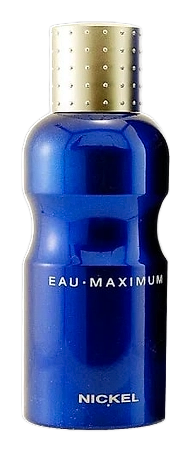
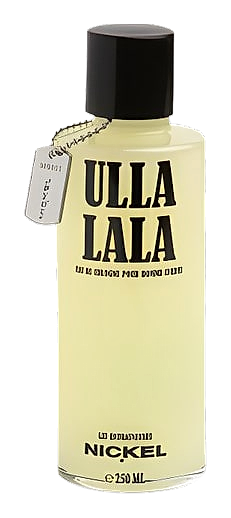
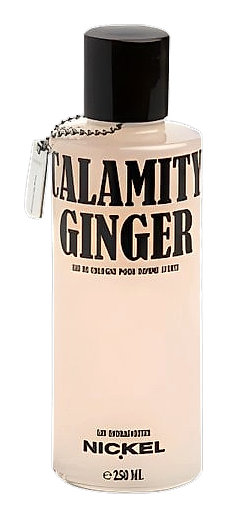
NickelNickel positions itself as a small‑scale fragrance house that experiments with unconventional scent structures. Since the early 2000s the brand has released a handful of cult‑favorite bottles, most notably Enemy (2003) and Eau Maximum (2006). Its catalogue reads like a snapshot of underground perfumery in the 2000s, mixing bright ginger accords, metallic undertones and playful naming. Nickel’s limited distribution keeps the creations out of mainstream department stores, allowing collectors to discover scents that feel more like personal statements than market trends.
The Creator
Emilie CoppermannRose and vanilla anchor much of Coppermann's signature work, but she approaches these familiar materials with unexpected sophistication. Her compositions tend toward warmth and emotional resonance, balancing creamy florals with rich woods and subtle spices.