The Story
Why it exists.
The beginning
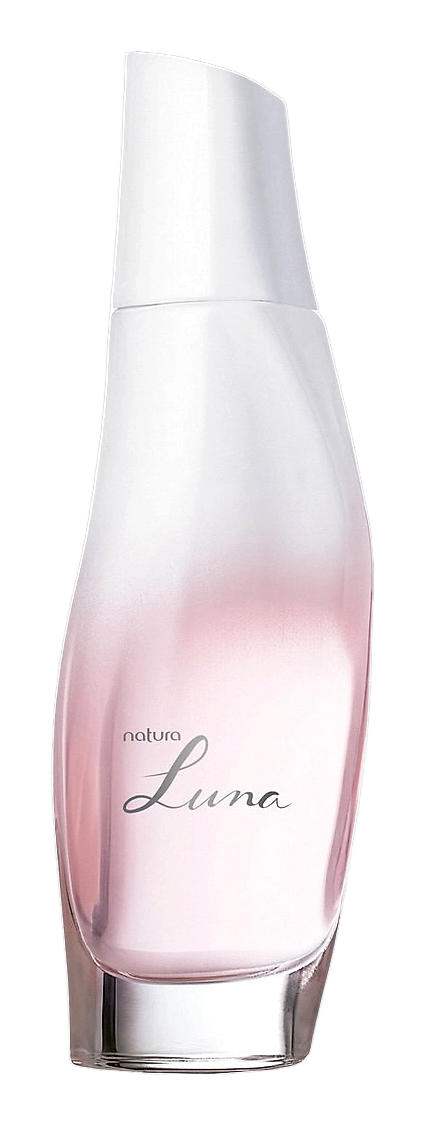
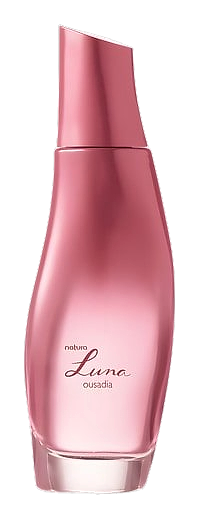
"Ousadia" means boldness in Portuguese. That's the name and the mission. Verônica Kato built Luna Ousadia around Brazilian botanicals. Pitahaya flower, the night-blooming cactus that grows across the cerrado, brings its quiet, luminous quality to the composition. Capitiú, a fruit used in traditional medicine and perfumery both, adds its own dimension. These ingredients work alongside jasmine and rose, holding space without competing for attention. The 2024 launch brought all of this together under one brief: translate boldness into something that wears close to the skin, not loud in the air.
The chypre-fruity structure is the interesting part. Most fruity-florals lean entirely into sweetness, a blur of pear and rose that smells pleasant for two hours and disappears. Luna Ousadia takes a different approach. The Brazilian botanicals shape the composition in a way that avoids that pattern. The priprioca adds an herbal element that cuts through before the sweetness takes over. Capitiú brings depth to the heart rather than volume. The result is a floral heart that smells lush but behaves like a base note. It lasts. The pink pepper in the opening is the other decision worth noting.
The evolution
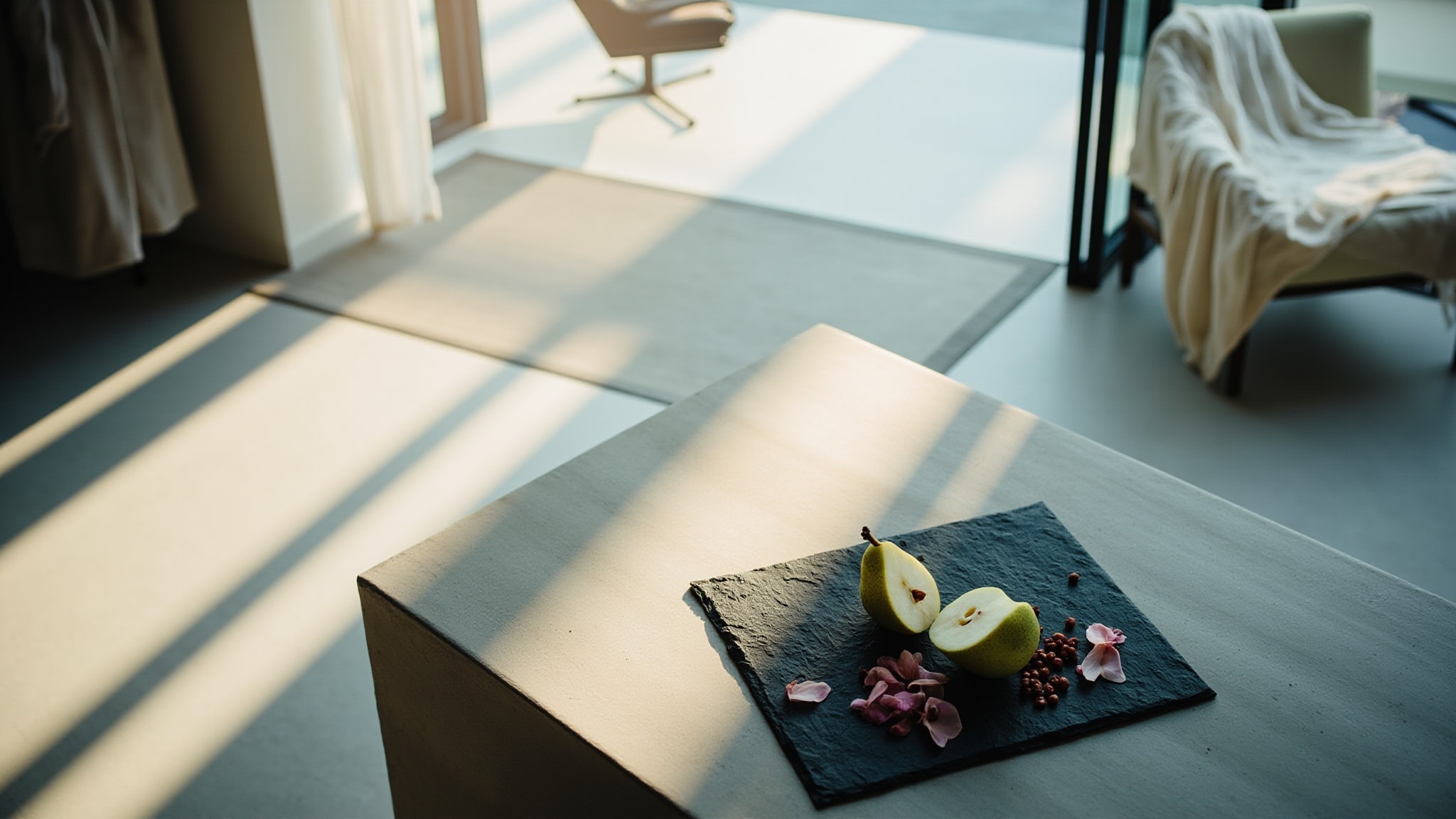
The opening arrives crisp. Pear, bergamot, a spike of pink pepper that reads more like clean air than spice. Fifteen minutes. Then the hand-off: pear fades, jasmine moves in, and the heart takes over. For a long time, jasmine and magnolia hold the middle ground without ever getting clingy. The rose is quiet, more texture than statement. The drydown is where the chypre shows. Cedar arrives first, dry and slightly salty. Patchouli follows, dark and grounded, not the loud patchouli of 90s fragrances, more like the memory of damp earth. Musk softens everything, and the fragrance settles into skin. That's the tell. The difference between smelling expensive and smelling like money. The heart smells lush but behaves like a base note.
Cultural impact
Luna Ousadia uses regional botanicals, priprioca, pitahaya flower, capitiú, materials with regional identity that most international fragrances don't touch. The result is a fruity-floral that smells like nowhere else. These ingredients give the fragrance a sense of place, a fingerprint tied to Brazilian flora that makes it stand apart from the rest.