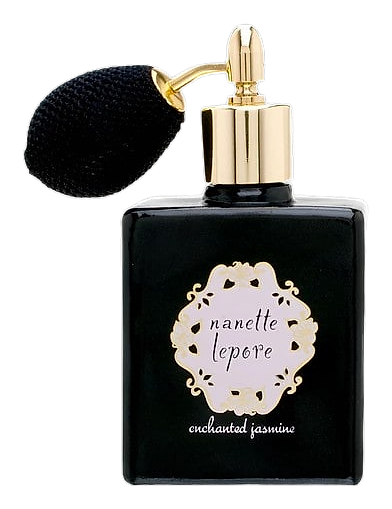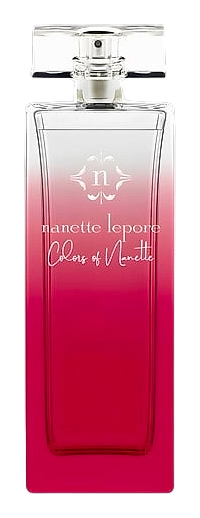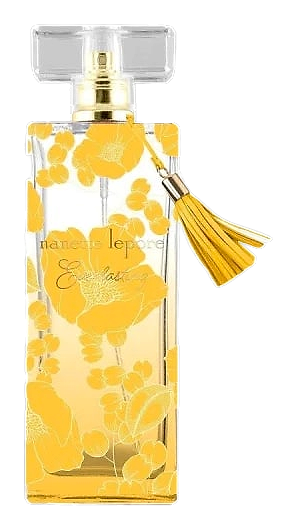

The Story
Why it exists.
The beginning
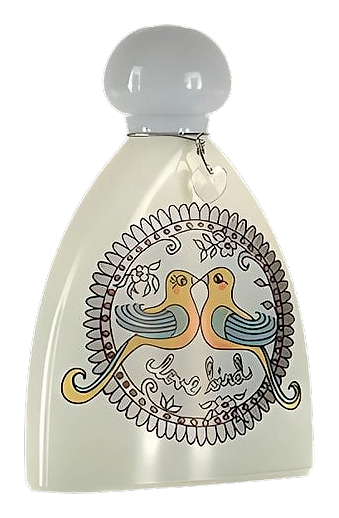
Love Bird landed in 2007 when Nanette Lepore's fashion house was hitting its stride, bold prints, bright colors, unapologetic femininity. The name says it all: romantic without being fragile, sweet without apology. Nanette Lepore treats each fragrance as an extension of the mood board, a way to wear optimism the way you'd wear a printed dress. Love Bird captured that spirit. A fruit-floral composition built for the kind of woman who treats getting dressed as joy, not obligation.
What makes Love Bird interesting is the carnation. It's not a common centerpiece, in the 2000s floral wheel, it was unusual. Carnation brings a spicy, almost clove-like warmth that sits strangely beautifully against the bright blackcurrant and the soft lily of the valley. Most fruity-florals lean entirely sweet. This one has a small detour into something slightly dry, slightly antique. The musk-amber base keeps everything soft, but that carnation is the tell. It shows up late and it stays.
The evolution
The opening hits with blackcurrant, tart, a little sour, bright in a way that demands attention. Lemon follows, adding sharpness. For the first twenty minutes, Love Bird is a citrus fruit cocktail, all energy and forward motion. Then the florals arrive. Jasmine and rose bloom in tandem, with lily of the valley adding a green, dewy note that cools the sweetness. The transition is smooth, but there's a moment where the carnation announces itself, a spicy warmth that cuts through the white florals like a whispered secret. By the drydown, the citrus is gone. Jasmine and rose linger, softened by musk. The amber appears slowly, creating a warm, powdery finish that stays close to the skin for hours. By the end, Love Bird has become something intimate and nostalgic, the ghost of flowers on warm skin.
Cultural impact
Love Bird was part of Nanette Lepore's early fragrance expansion, a time when the brand was establishing its identity as an accessible, joyful alternative to more serious fashion houses. Discontinued now, it carries that specific 2000s optimism: white florals, powdery warmth, and amber sweetness in a package designed for everyday pleasure rather than statement-making. The moderate sillage means it never overwhelmed, it was a fragrance for presence, not performance. That restraint is part of its charm, and maybe why it quietly disappeared from counters.