The Story
Why it exists.
The beginning
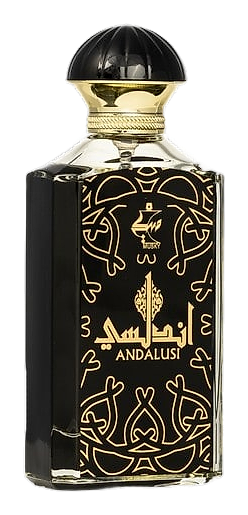
Andalusi landed in 2022 as part of Musky's debut wave. The name Andalusi carries weight. It points to Al-Andalus, the medieval Iberian peninsula under Islamic rule, a region that became one of history's great meeting points of Arabic, Berber, and European culture. Cordoba, Granada, Seville. Centers of poetry, architecture, and a kind of cross-continental exchange that hasn't really been matched since. The fragrance takes that idea and runs with it. A composition that gestures toward two traditions at once. Not a reenactment. A conversation between places that used to share a coastline. The opening lifts immediately into bergamot and myrtle, a pairing that reads clean, green, and faintly herbal, almost like crushed leaves after rain.
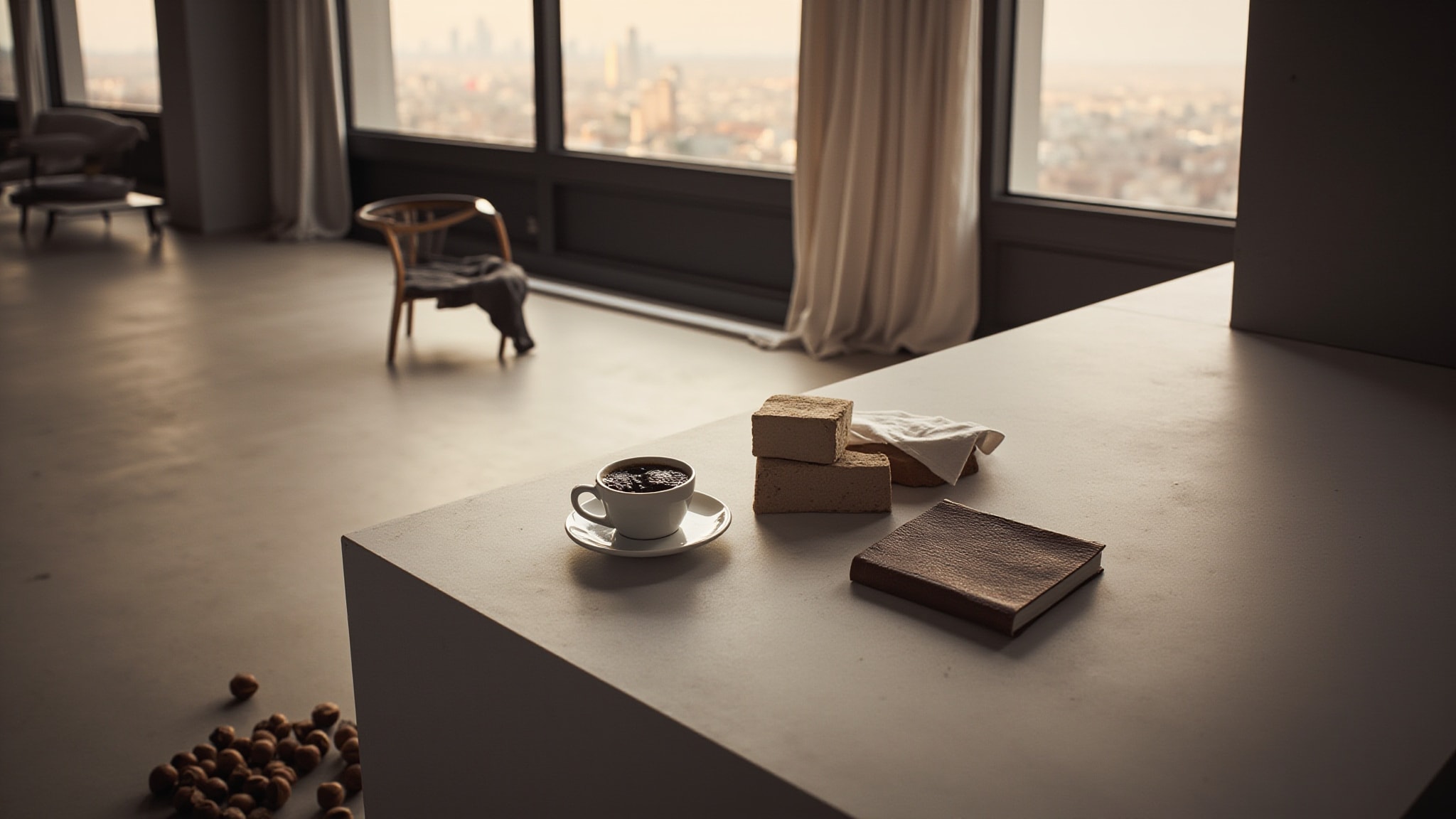
What makes Andalusi structurally interesting is the collision in the heart. Bergamot and myrtle open with a clarity that's clean and green, almost leaf-like in its freshness. Then the middle drops into something entirely different. Chocolate, hazelnut, coffee. That's not a Middle Eastern gourmand profile, and it isn't a French one either. The combination reads like something borrowed from a different playbook altogether, and that's precisely what gives the composition its edge. The coffee note does most of the structural work.
The evolution
The opening hits quick, almost disorienting in its freshness. Bergamot and myrtle come in sharp and herbal, lifting the composition away from anything dense or syrupy before the gourmand heart has a chance to settle. It's a deliberate move, the kind of contrast that makes the middle stage feel heavier by comparison. Then the coffee and chocolate arrive together, and the whole composition pivots. The gourmand heart is dense but not syrupy. Bitter cocoa, roasted hazelnut, a grind of espresso. It sits heavy and warm, the kind of accord that fills a room without shouting. The leather emerges as the heart starts to thin, taking over the structural role and giving the composition a rougher, more grounded feel. Not a polished leather. Something with more grain to it, with the cedar giving it a dry, woody backbone. The sweetness doesn't linger.
Cultural impact
Andalusi sits at an interesting intersection. The composition leans into European gourmand territory with its coffee, chocolate, and hazelnut heart, while the name itself points to a historical period of cross-cultural exchange on the Iberian peninsula. That tension gives the fragrance its distinctiveness. It doesn't read as a traditional Arabian oud-and-amber composition, nor does it fall into the polished French gourmand category. The bergamot and myrtle opening carries a certain Mediterranean clarity, while the heart pulls toward something darker, more bitter, more grounded. The coffee note is doing the heaviest lifting.