The Story
Why it exists.
The beginning
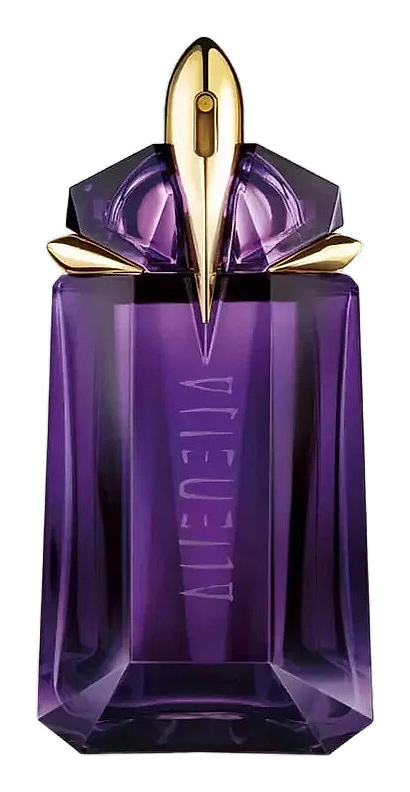
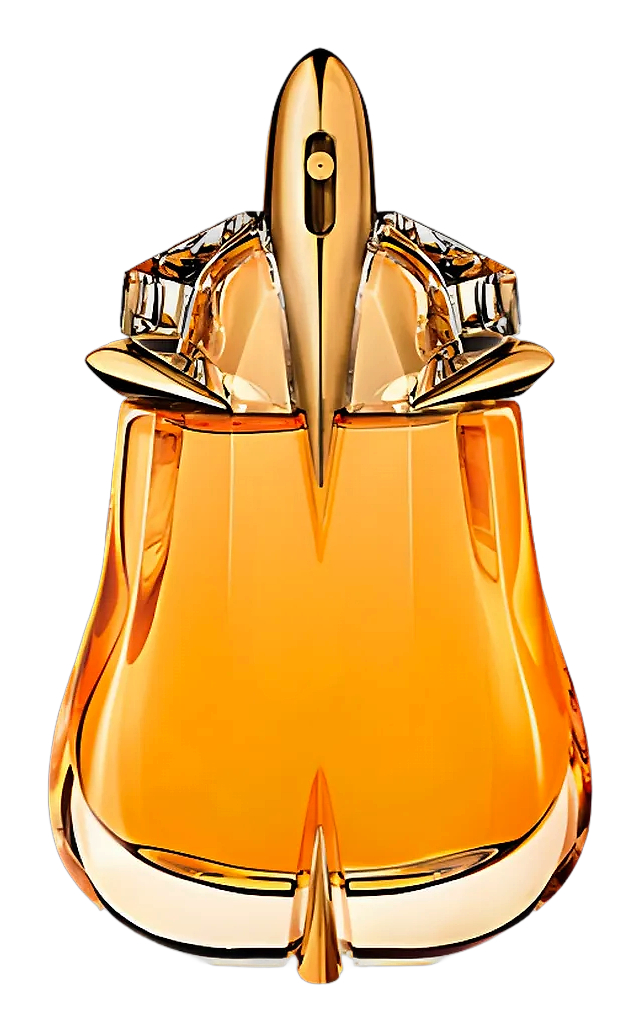
In 2011, Mugler launched The Taste of Fragrance (Le Gout du Parfum), a project that married perfumery to the world of haute cuisine. The house invited chef Hélène Daruzze to create recipes alongside four of their signature scents. Angel was the obvious centrepiece. The original Angel, launched in 1992, had already upended perfumery by being the first true gourmand fragrance, no florals, just patchouli pushed to extremes and ethyl maltol mimicking cotton candy. The Taste of Fragrance version took that edible identity literally, enriching the composition with pure cocoa powder. More gourmand than the original. More confrontation. The recipe that came with it was probably chocolate.
The cocoa powder is what separates this from the original Angel. Where ethyl maltol replicates the sweetness of spun sugar, ephemeral, playful, almost abstract, real cocoa grounds the sweetness in something denser. Darker. The bitterness cuts through the praline and caramel, creating a contrast that the base notes then resolve. Patchouli arrives late but arrives with authority, and the vanilla underneath makes sure the whole thing never lets go. It's a composition built on tension: confectionery sweetness held in check by earth and bitterness, over and over, until the wearer stops trying to choose.
The evolution
The opening hits fast. Bergamot and mandarin arrive citrus-bright, but the cocoa powder is already threading through, an immediate sweetness that smells like opening a box of artisan truffles. Thirty minutes in, the heart takes over. Passion fruit, apricot, peach, jammy, ripe, almost too sweet. This is the phase where people who hate Angel stop wearing it. Then the base arrives. Patchouli and Mexican chocolate settle in, finally tempering the sweetness with something darker and more grounded. The caramel lingers closest to skin, warm and edible, but the patchouli is the architecture. It holds. The next morning, faint cocoa and vanilla on a pillow. Worth reapplying.
Cultural impact
The original Angel changed perfumery in 1992 by proving that a fragrance without florals, built on patchouli and synthetic gourmand molecules, could be a commercial juggernaut. This 2011 cocoa-enriched interpretation doubled down on the edible identity that made the original polarizing. It's less divisive than the original in some ways, the cocoa adds depth and warmth, but no less intense. Angel remains the benchmark for the gourmand family, and The Taste of Fragrance version is the one to try if the original felt like too much.