The Story
Why it exists.
The beginning
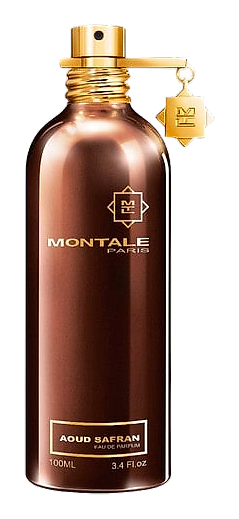
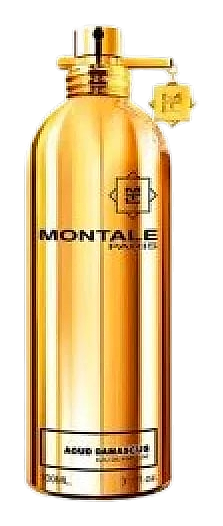
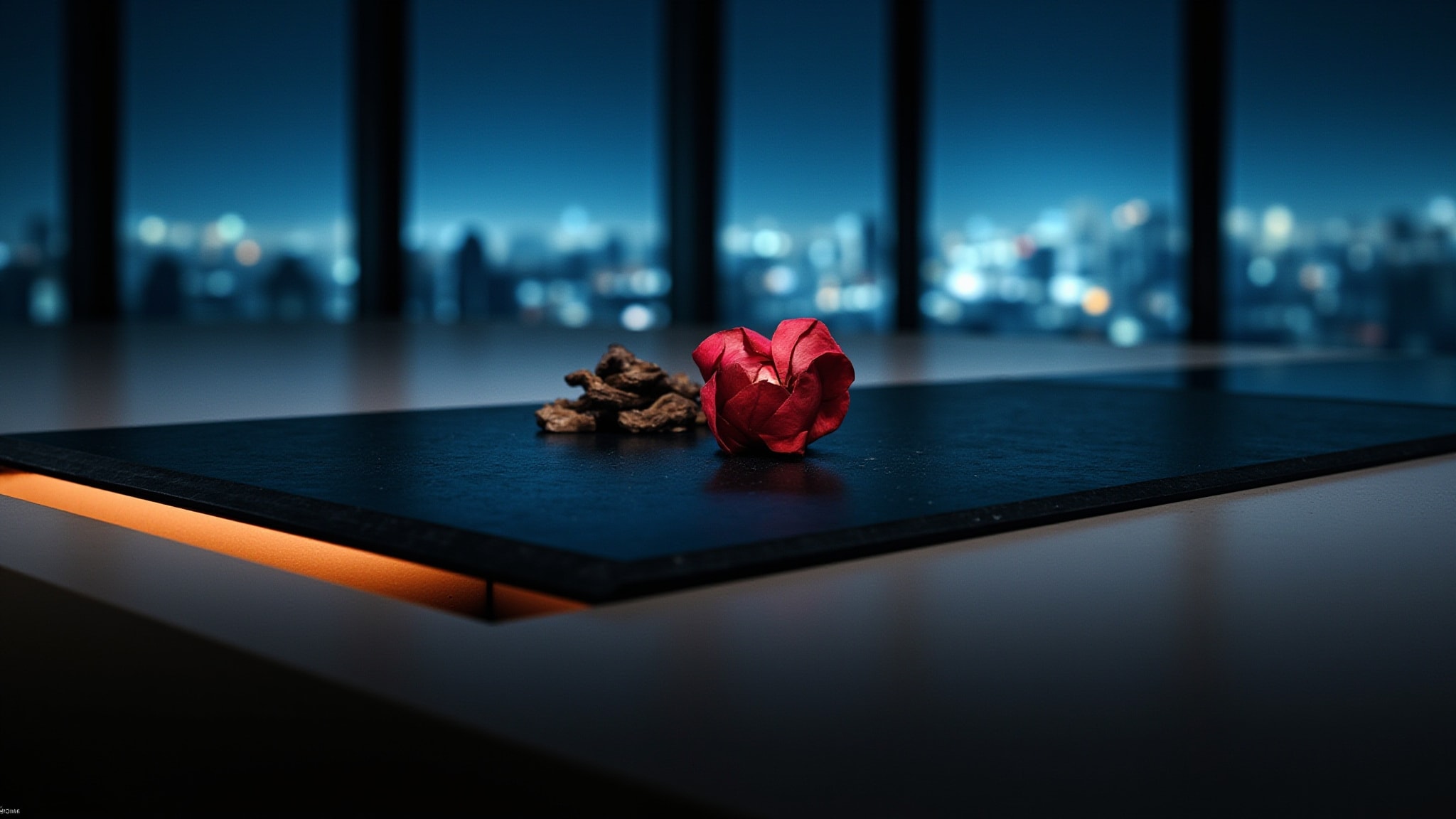
The name says it all. Aoud Damascus is Pierre Montale's tribute to the legendary Damask rose, the one that grows in the valleys around Damascus, where ancient roses have been cultivated for centuries. But Montale wasn't interested in just capturing a flower. He wanted to fuse the opulence of Arabian oud with the velvety richness of that Damask bloom. After years in Saudi Arabia creating fragrances for royalty, he understood something the West hadn't quite grasped yet: oud isn't a note. It's a world. And when it meets a rose that knows its own power, the result doesn't whisper. It commands.
What makes this work is the frankincense. Not as a supporting act, but as the spine that keeps everything upright. The gurjan balsam adds a resinous depth that stops the rose from becoming just another floral. And the safflower, often overlooked, brings a subtle saffron-like warmth that threads the whole composition together. This isn't a rose fragrance that happens to have oud. It's an oud fragrance that chose rose as its voice. The combination of resinous smoke and velvety petals is unusual precisely because most houses separate these worlds. Montale kept them together, and the tension is the point.
The evolution
The opening hits within seconds, rose, bright and unapologetic, with the frankincense arriving almost immediately to add that dry, sacred quality. No waiting. The oud builds in the first thirty minutes, warm and resinous, but it doesn't overwhelm the floral. It supports it. For the next several hours, the two hold a kind of conversation, rose getting softer, oud getting more present, neither one winning. By hour four or five, the rose has settled into something quieter, almost powdery, while the oud becomes the dominant voice. Then the drydown: skin-warm, resinous, with just a ghost of rose petals remaining. On fabric, this one outlives everything else in the wardrobe. The next morning, it's still there.
Cultural impact
Montale's Aoud Damascus arrived in 2006 at a moment when Western fragrance culture was beginning to embrace oud as a mainstream material. The fragrance served as a bridge between the opulent traditions of Arabian perfumery and the sensibilities of European collectors. Pierre Montale, having spent years crafting bespoke fragrances for Saudi royalty, brought an authenticity to the oud and rose combination that few Western houses could claim at the time. The release coincided with a broader cultural fascination with Middle Eastern aesthetics, helping normalize oud as a sophisticated note rather than a niche curiosity. Aoud Damascus became a reference point for the rose-oud axis that would define many Oriental fragrances to follow.