
The Story
Why it exists.
The beginning
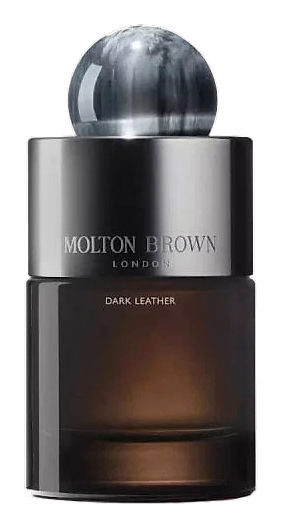
Dark Leather arrived in 2023 as a study in what happens when a single material takes control of a composition. Perfumer Sylvie Fischer built this around leather, not as a supporting base note, but as the entire argument. Elemi resin and geranium were chosen as counterpoints: bright, warm, slightly floral against the darkness. The idea was contrast, not complement. Leather that doesn't just anchor, it transforms.
The pyramid is unusually sparse for a modern fragrance, three materials total, one in each tier. That economy is the point. Instead of building complexity through volume, Fischer stripped everything back until only the essential remained. Elemi opens. Lavender and geranium carry the middle. Leather owns the drydown. Nothing else gets in the way. It's a composition that trusts its materials enough to let them breathe.
The evolution
The opening is quick, elemi's warm, citrus-adjacent brightness arrives and retreats within the first twenty minutes. What follows is the heart: lavender and geranium in equal measure, herbal and green, slightly medicinal in a way that keeps the composition grounded. Then, around the two-hour mark, the leather arrives. Not loud. Not aggressive. It settles in like it was always there, smoky and deep, and it stays. Eight to ten hours on most skin, moderate sillage that announces itself only to those standing close. On fabric, it outlasts everything else, the next morning, leather is all that remains.
Cultural impact
Dark Leather arrived during a period when minimalism had fully infiltrated both niche and luxury fragrance markets, but Molton Brown pushed the concept further by treating it as a philosophical stance rather than a trend. The choice to build a fragrance around a single dominant material, leather, reflected a broader cultural moment where consumers began valuing intentionality and transparency over complexity. Where other brands added notes to justify premium pricing, Molton Brown stripped the pyramid down to three materials and called it a study. This approach aligned with a readership fatigued by aggressive marketing, positioning the fragrance as a statement about craft over commerce. The perfume also entered a cultural conversation about masculinity and scent, where smoky leather had begun shedding its associations with old-fashioned grooming in favor of something more contemporary and personal.