The Story
Why it exists.
The beginning
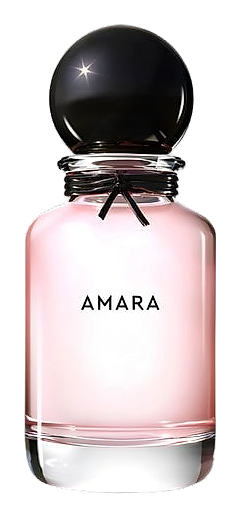
The name says everything. Amara, grace, bitterness, the beauty that costs something. Cherry serves as the anchor: the fruit that is sweet until it is not, whose blossom lasts exactly long enough to matter. The red currant opens sharp, almost confrontational, a flash of tart brightness that immediately commands attention. The black cherry follows with its bitter edge intact, refusing to resolve into simple sweetness. By the time cherry blossom and tuberose arrive, the fragrance has already made its point: sweetness without apology, shadow without shame. The composition builds around contrast, not opposition, but the way light only means something when shadow exists to give it shape. Radiance and shadow are inseparable here, two sides of the same idea.
What makes Amara interesting is not any single note, it is the way the cherry keeps refusing to be just one thing. Black cherry reads as sweet in most fragrances, but here the note takes on additional dimension, revealing qualities that resist simple categorization. Cherry blossom counterbalances not with sweetness but with waxy, slightly indolic floral, closer to real petals than to the powdered cherry notes found in mainstream flankers. The note combinations create unexpected tension. The real move is placing tuberose against this backdrop.
The evolution
The opening arrives with clarity. Bergamot, red currant, and bitter orange form a citrus trio that announces itself with purpose. The cherry arrives, and when it does, it does not displace the citrus so much as absorb it. The brightness does not disappear, it becomes part of the cherry's own tartness. Black cherry and cherry blossom hit together, which sounds redundant but is not. Black cherry brings the fruit, a combination of sweet and bitter elements with a richness that suggests depth. Cherry blossom brings the petal, waxy, powdery, delicate in a way that tempers the fruit's weight. Between them sits that dusty note, dry and mineral, the stem left after the petals fall. The fragrance smells like something growing, not something made. Tuberose arrives to assert itself: creamy, indolic, lactonic, it reframes the cherries entirely. Suddenly the fruit is not dessert, it is garden.
Cultural impact
Amara presents itself as a floral-fruity composition that refuses to stay within conventional boundaries. The interplay between cherry notes and tuberose creates something that challenges expectations. It is a fragrance that offers complexity without demanding attention, working through suggestion rather than assertion. The result is a scent that feels both familiar and unexpected, drawing the wearer into layers that reveal themselves gradually rather than all at once.