The Story
Why it exists.
The beginning
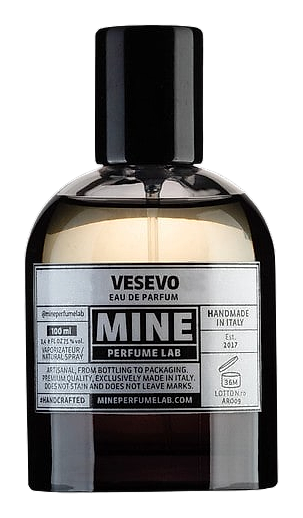
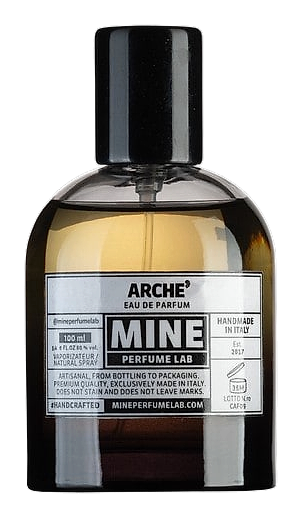
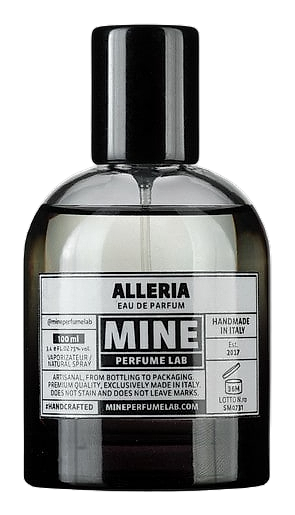
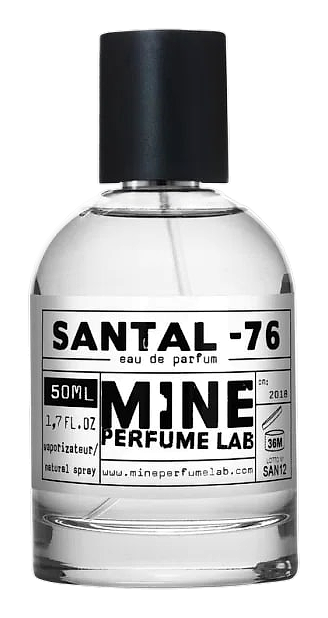
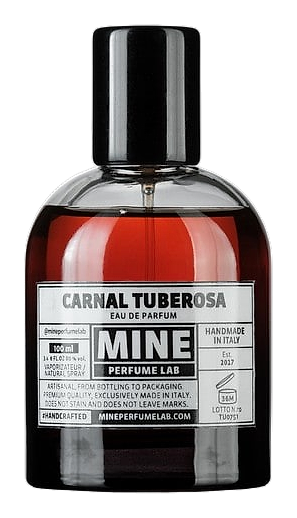
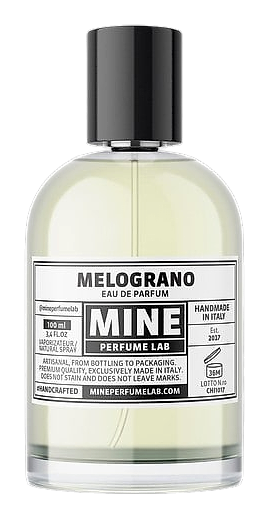
Melograno launched in 2017 as part of Mine Perfume Lab's debut wave of named compositions. The brand began as a husband-and-wife workshop project in San Giuseppe Vesuviano, near Naples, where Massimo and Maria Annunziata spent years developing their own fragrance concept before going public with the MINE Perfume Lab label. Melograno, the Italian word for pomegranate, arrived as one of the line's earliest entries, grounded in a Mediterranean fruit that's been carrying symbolic weight for centuries. The brand sells scents as personal stories. This one is the story of a single ingredient told through the filter of spice and wood.
What's interesting here is the restraint. Most pomegranate fragrances lean into the fruit's sweet, almost grape-like juiciness and call it a day. Melograno doesn't. The citruses open with brightness, then pomegranate arrives not as a centerpiece but as a thread running through a bed of warm spice and structural wood. The composition splits the difference between a bright easy summer pour and the heavier woody-spicy genre it actually belongs to. A 25% concentration gives it enough body to hold the spice in place without the wood going dull.
The evolution
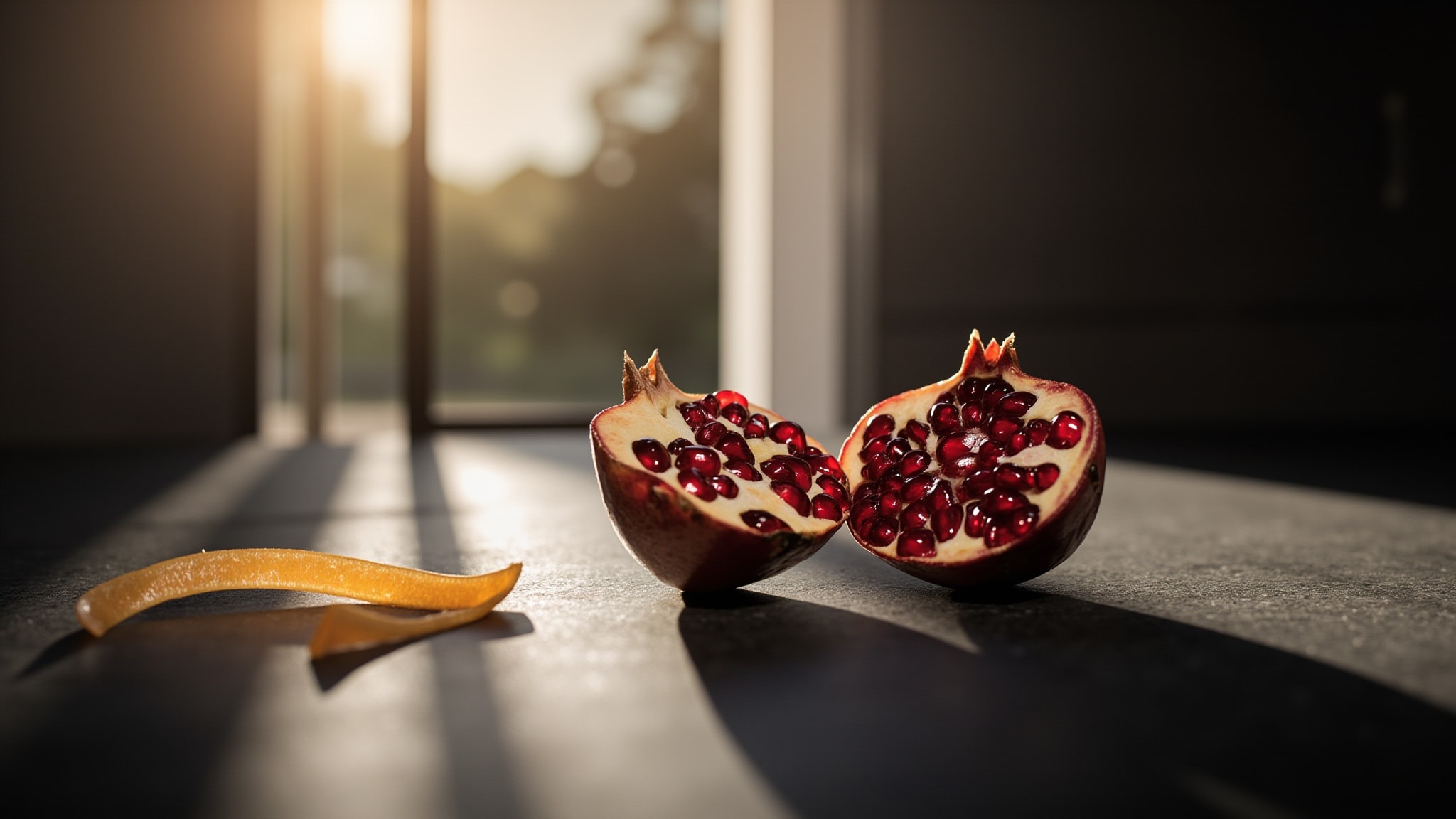
The first 15 minutes are all lift. Citruses cut sharp on warm skin, almost effervescent, like the peel of an orange twisted over a wooden bowl. The pomegranate doesn't show itself immediately. It creeps in through the spiciness, a tart-fruited shadow that warms rather than sweetens. Around the 30-minute mark, the fruit recedes, and the composition reveals what it actually is: warm, woody, grounded. The spice stays present through hour three, still detectable but softened. After hour five, what's left is wood and a faint resinous warmth close to the skin. The drydown the next morning on a scarf collar is mostly woody, dry, slightly powdery. It doesn't vanish. It just gets quieter and more honest about what it was all along.
Cultural impact
Melograno sits quietly inside Mine Perfume Lab's lineup, a southern Italian workshop fragrance without the press footprint of bigger niche houses. Where it earns attention is in how it sidesteps the obvious pomegranate route, building a fruit-led scent that functions as a warm spicy rather than a juice, and that specificity is what draws the wearers who compare it against genre expectations rather than against specific branded peers. It's the kind of release that matters more to the people who find it than to the market at large.