The Story
Why it exists.
The beginning
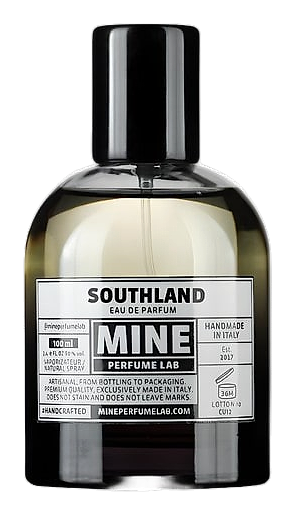
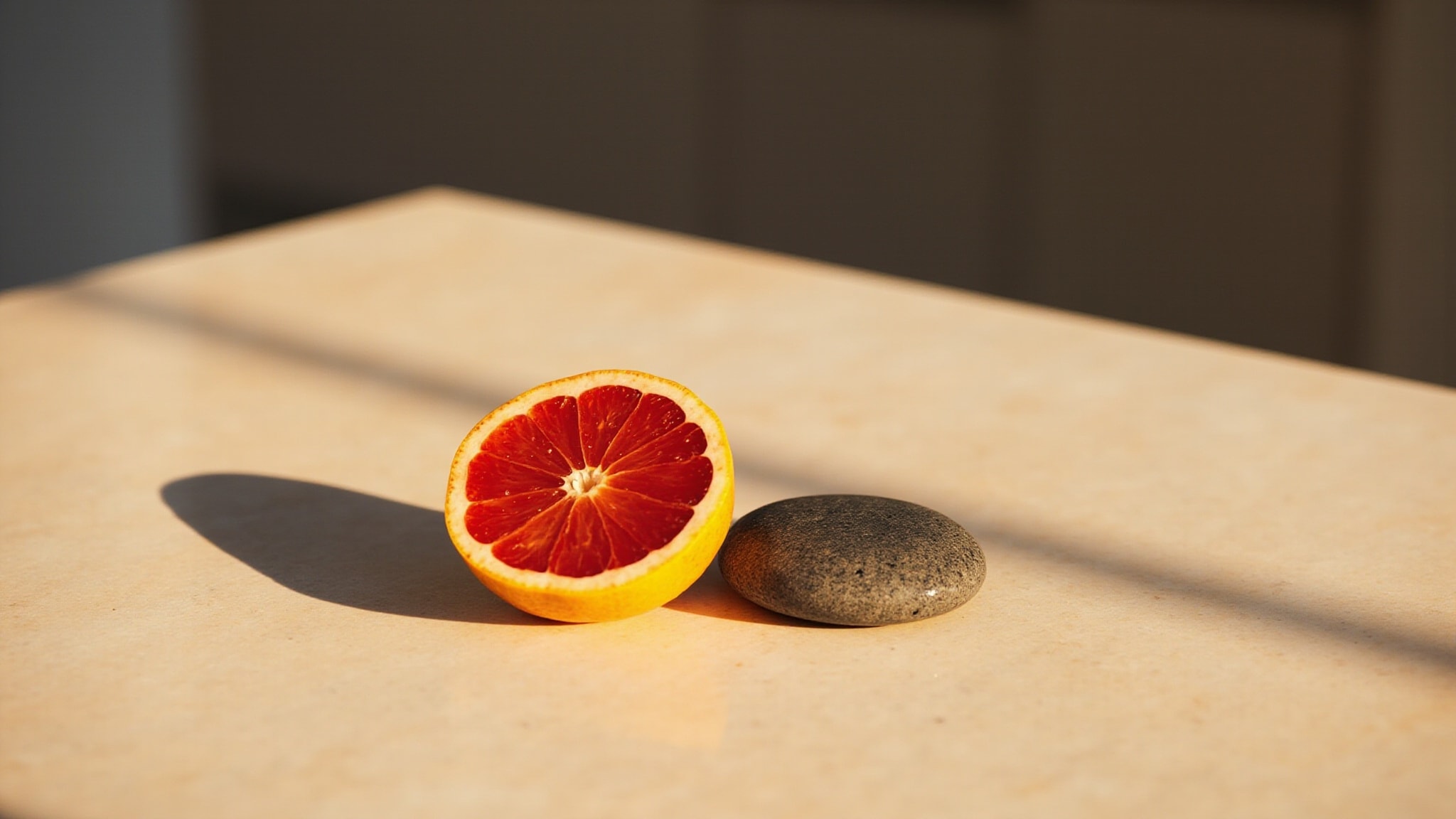
Southland takes its name from the geography of desire, the idea of somewhere farther south, warmer, where the light lingers and the coast does what coasts do. The concept of warmer latitudes, of coastal light that holds on past its welcome, gave the composition something to build toward. Grapefruit and orange were the obvious choices for the top, they arrive fast and clean, with a brightness that announces presence without aggression. But the real intention lives in what comes after. Flint was the decision. That mineral edge, that particular tension, is what gives Southland its character, separating it from every other citrus-forward fragrance circling the same idea.
Benzoin and oakmoss form the base, anchoring the composition with materials that provide warmth without sweetness and depth without darkness. These classic materials support the citrus and mineral notes through their full arc, extending the fragrance's presence beyond what a brighter, simpler structure might achieve. The woody notes in the base remain deliberately unspecific, avoiding association with cedar or vetiver, and that vagueness serves the fragrance well.
The evolution
The opening is all citrus, grapefruit sharp, orange rounding it, a clean presence that announces itself without aggression. Then the flint arrives and everything shifts. The composition goes cooler, almost austere, as if the sun just went behind a cloud. This is the phase people remember and disagree about: some find it jarring, others find it the most interesting part of the fragrance. Before long the amber in the base begins to assert itself. The handoff is not dramatic. The benzoin comes in softly, golden and resinous, slowly replacing the mineral tension with warmth. In the drydown the fragrance becomes woody and balsamic, close to the skin. It does not project anymore but it has not disappeared. The next morning there is a faint amber-and-oakmoss warmth on pulse points, the part of a fragrance that stays when the wearer has already left the room.
Cultural impact
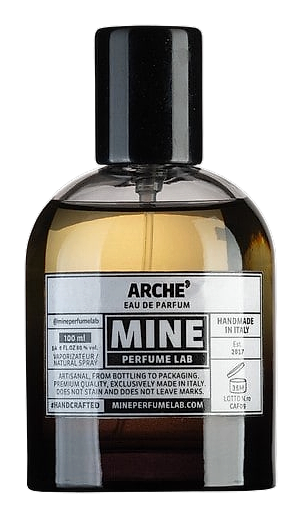
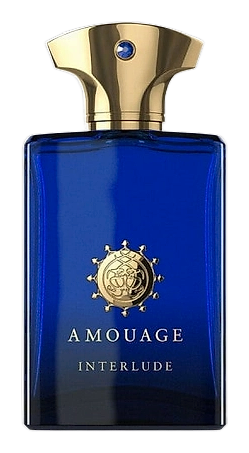
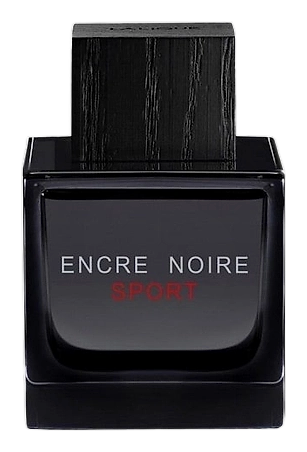
In the landscape of indie fragrances, Mine Perfume Lab occupies a specific register: workshop-scale production, named compositions rather than numbered codes, and a focus on crafting scents with specific moods and points of view. Southland fits within that ethos. Some wearers have noted structural similarities to Hermès Terre d'Hermès, which speaks to a shared palette (citrus, mineral, woody) rather than direct influence. The brand's approach to naming, Southland, Martinique, Vesevo, positions each fragrance as a destination rather than a demographic.