
The Story
Why it exists.
The beginning
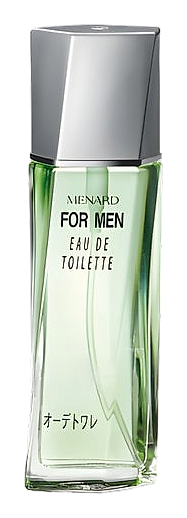
Shuji Suzuki composed Menard for Men in 2008 as the brand's first dedicated masculine release. The house had developed a range of compositions over the preceding decades, but Menard for Men marked the moment when a cologne aimed at men entered the catalog. The intent, as Suzuki described it, was a precious, refreshing cologne, something wearable across contexts. Suzuki built the opening around Amalfi lemon and bergamot, two citruses listed prominently in the formula, then pulled the formula toward a quiet floral-ambery center. The result reads as a composed, understated cologne designed for a man's daily life, with a structure that reveals itself slowly across the first hour of wear.
What sets this composition apart is the restraint of its structure. Menard for Men centers Amalfi lemon and bergamot in the first wave, then asks Tachibana orange blossom to carry the floral beat of the heart. Tachibana presents as a softer, rounder blossom with a waxy sweetness, and it gives the heart a gentleness that softens the transition between the citrus top and the warmer base. Ambrette seed adds a vegetal musk that bridges the floral and the wood, lending a subtle warmth without tipping into heavier animalic territory.
The evolution
The first fifteen minutes belong to the citrus. Amalfi lemon leads with a bright, clean snap, then bergamot softens the edges into something rounder, less sharp. Tachibana orange blossom arrives within the first hour, not as a top note but threading into the citrus, giving the opening a waxy undertone that prevents it from feeling like a generic splash. By hour two, the florals have fully surfaced alongside ambrette seed, which provides a warm, slightly musky vegetal sweetness, and the woodsy notes begin to register beneath. The drydown from hour three onward is amber and a soft musk, smooth and quiet, less than a whisper against the skin. As the hours pass, the citrus recedes entirely, and what remains is the warm amber base sitting close, present but reserved. What lingers into the next day is a soft amber-woody trace, gentle and unobtrusive.
Cultural impact
Menard for Men has found its audience among wearers who appreciate fragrance as a quiet accessory rather than a declaration. It tends to attract those who prefer precision to volume, who value how a scent wears across a full day more than how it announces itself in the first minute. The composition rewards attention to its transitions, from the citrus opening through the floral heart to the warm amber close. In conversation among collectors, it often comes up as an example of a cologne that achieves warmth through restraint rather than force.
The House
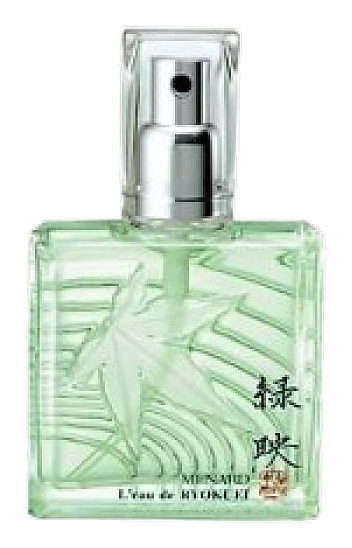
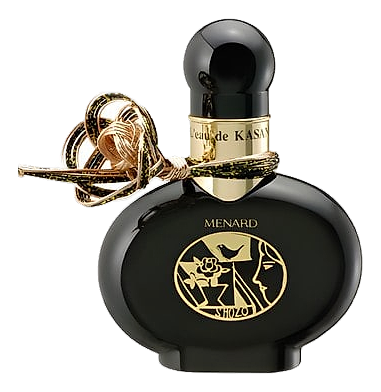
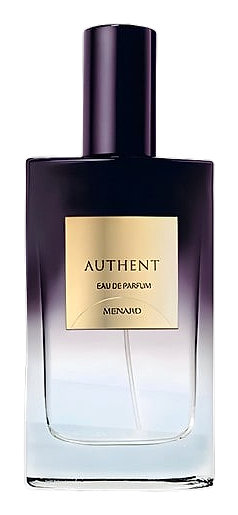
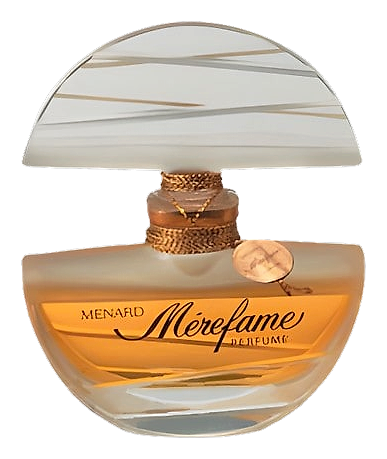
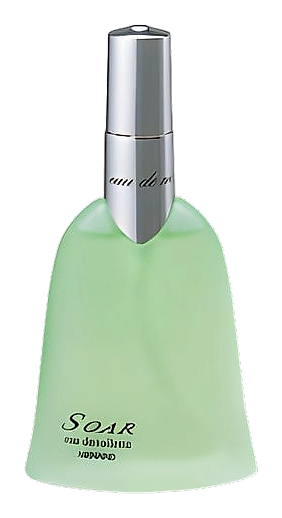
MenardMenard is a Japanese fragrance and cosmetics house founded in 1959, known for producing scents that reflect a distinctly Japanese aesthetic sensibility. The brand operates at the intersection of beauty science and artistic fragrance creation, developing perfumes that draw inspiration from Japanese cultural concepts, natural landscapes, and philosophical traditions. Menard's fragrance portfolio includes memorable releases such as Mérefame (1979), L'eau de Kasaneka (2004), L'eau de Ryokuei (2003), L'Eau de Taoyaka (2009), Authent (2012), and Menard for Men (2008). The brand remains a respected name among fragrance collectors who appreciate Japanese perfumery for its restraint, complexity, and connection to nature.
The Creator
Shuji SuzukiNo documented information regarding Shuji Suzuki Shyamala's signature techniques, preferred ingredients, or olfactory style currently exists in accessible sources. This absence of public data prevents a meaningful characterization of their creative tendencies.