The Story
Why it exists.
The beginning
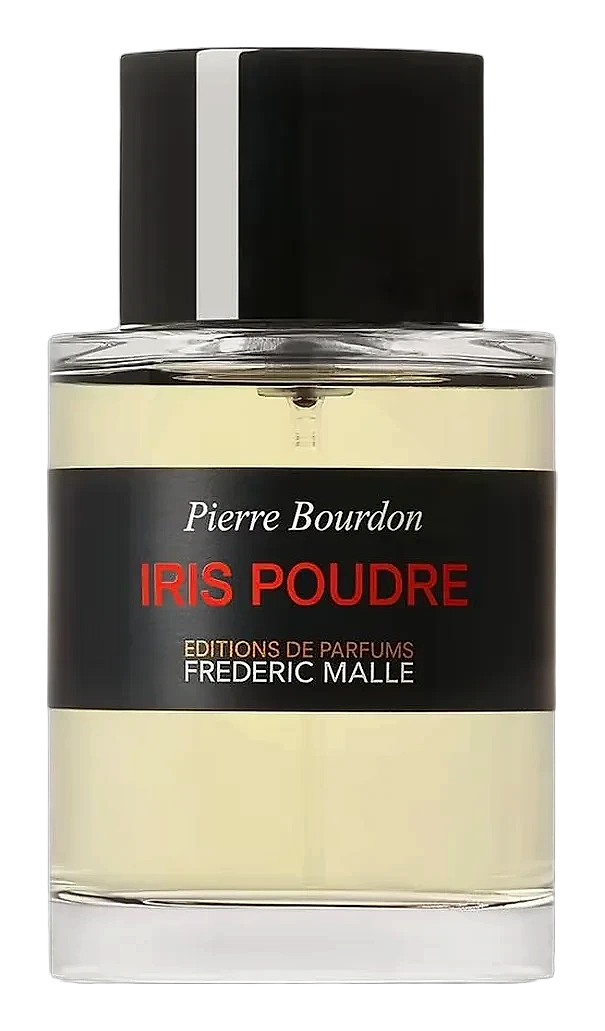
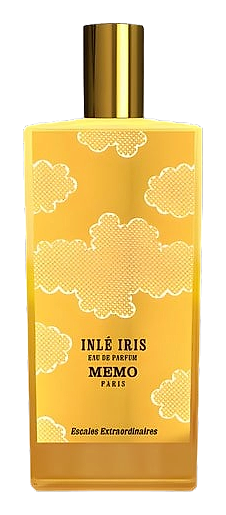
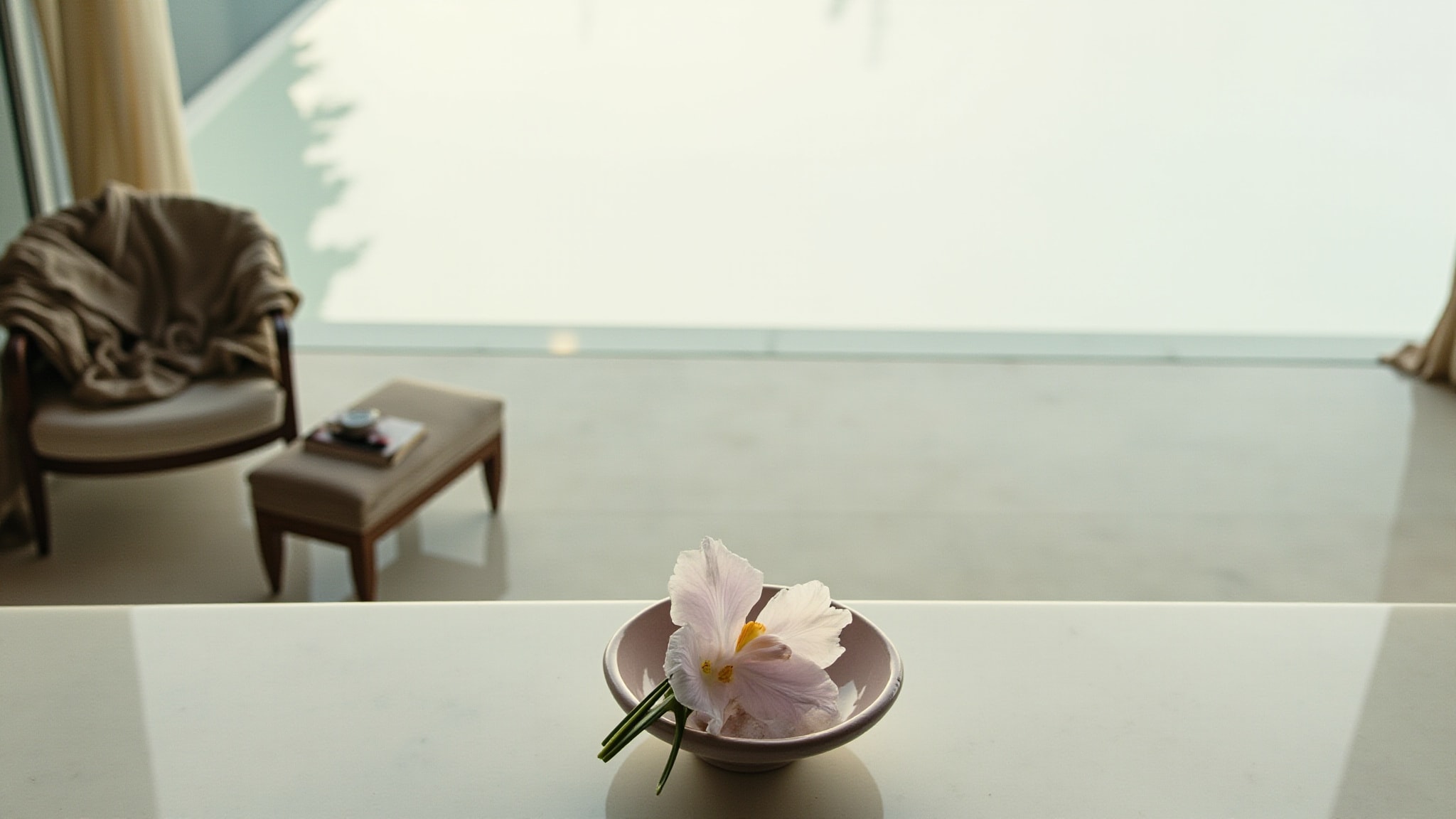
Inle takes its name from a highland lake so still it reflects the sky like a mirror. The idea behind this fragrance wasn't spectacle. It was the quiet after arrival, when the noise of travel finally stops and a place reveals itself properly. Bergamot and mint open bright and clean, as if the air really did come off cool water at altitude. Artemisia adds a green, slightly bitter clarity, the smell of fresh herbs in morning light. The iris doesn't charge in. It waits, appearing only as the sharper notes soften, the way light changes on a lake when clouds move. What results is a fragrance built on restraint, on the beauty of open space and the way stillness can feel almost tangible.
The heart of this fragrance is mate, an ingredient that smells like tea but carries more weight than any green note. Bitter, smoky, slightly astringent. Pairing it with osmanthus is unusual. Osmanthus brings apricot-like sweetness, a soft golden warmth. The combination creates a tea-floral tension, bitter and sweet, cool and warm, that keeps the composition from settling into something predictable. Jasmine sambac adds body and a hint of indolic warmth, but it's never heavy. The iris arrives last, arriving not as a statement but as a conclusion. Powdery, clean, slightly woody.
The evolution
The opening offers bergamot, mint, and artemisia in conversation, the mint cool and almost sharp enough to taste. Then the citrus fades and the herbs quiet. What's left feels different, warmer. Mate takes over with its smoky tea bitterness, osmanthus sweetens the transition, jasmine sambac adds a creamy floral layer. The iris doesn't appear so much as emerge, rising through the heart notes like something that was always there waiting. As the composition settles, the iris becomes the dominant voice, powdery, slightly woody, grounded in musk that reads as skin-warm rather than clean. The drydown is intimate and close. Wear time means it never really leaves. The next morning there's a faint trace on the inside of the wrist, sweet, powdery, gone before you've finished your coffee.
Cultural impact
The mate and osmanthus pairing gives this fragrance an unusual tea-floral quality. The composition avoids the heavy sweetness that can plague floral scents, keeping things crisp and well-modulated. What emerges is something that feels both grounded and airy, with the iris providing an elegant counterpoint to the bitter-tea elements.