The Story
Why it exists.
The beginning
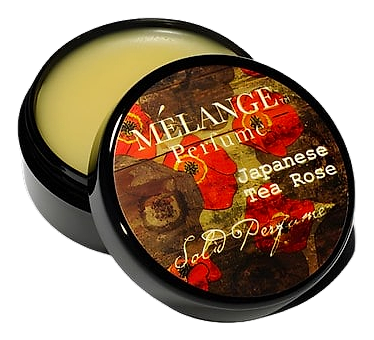
Japanese Tea Rose arrived in 2012, presenting a floral fragrance built around rose and cherry blossom with a cool green character. The opening impression is fresh and leafy, with the softness of petals soon giving way to a more generous expression of rose. As the composition develops, these elements settle into a balanced floral accord: airy rather than sharp, lightly green rather than overly sweet, and quietly reminiscent of a garden after rain. The result is intimate and polished, with the clean structure of a niche perfume allowing each floral note to remain distinct. Rose supplies warmth and depth at the heart, while cherry blossom keeps the composition luminous.
The composition's distinction comes from restraint. Japanese rose brings the soft floral center, while fresh green notes keep it from turning powdery or conventionally romantic. Cherry blossom adds a delicate, seasonal lift, giving the rose a crisp garden context. Rather than building depth through heavy woods, resins, or spice, the formula stays floral and lucid, with its fruit-and-flower character built around a clear central rose.
The evolution
The scent begins with a cool, green impression, like moving from shade into a garden where leaves and petals share the air. Cherry blossom gives that opening its airy floral accent, while rose gradually becomes clearer and more generous at the center. The initial freshness softens rather than turning dark, leaving a delicate floral trail that feels lightly green and gently fruit-like. As the fragrance settles, the floral accord grows more cohesive: rose lends a rounded warmth, cherry blossom preserves a clean, translucent quality, and the green notes lend a leafy lift. A restrained tea character adds a dry, aromatic edge, keeping the composition from becoming simply sweet. Over time, the fragrance draws closer to the skin and becomes quieter, but rose and cherry blossom remain recognizable.
Cultural impact
Japanese Tea Rose connects familiar floral imagery with a fresh, contemporary interpretation of the garden. Cherry blossom contributes an airy elegance, while rose adds a classic fullness, and the green, tea-like character gives the composition a modern sense of clarity. Rather than leaning heavily toward sweetness, the fragrance moves between petals, leaves, and softly ripened fruit, creating an atmosphere that feels refined and serene.
The House
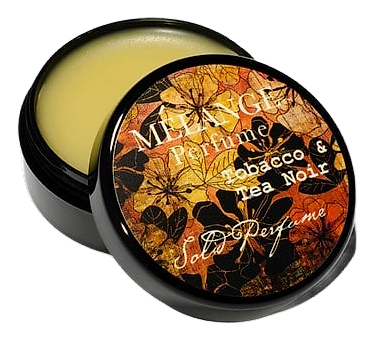
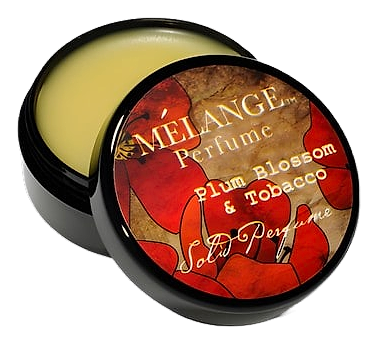
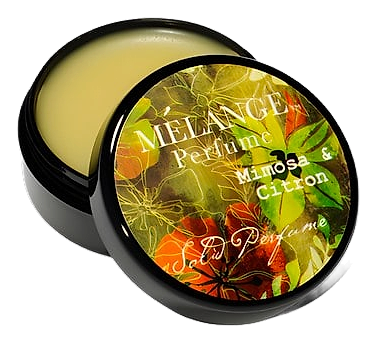
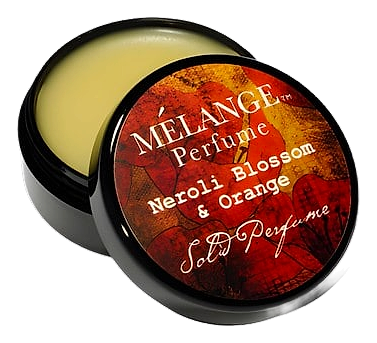
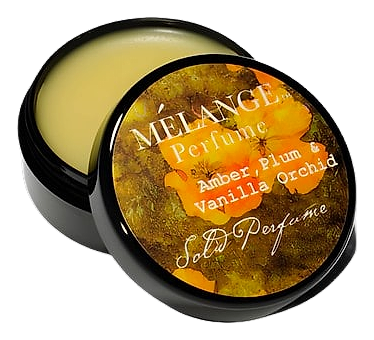
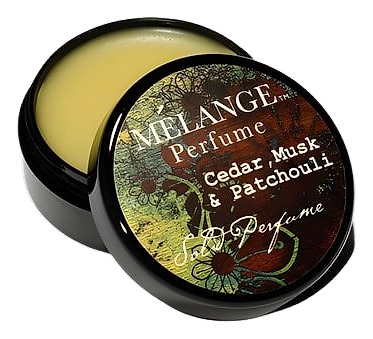
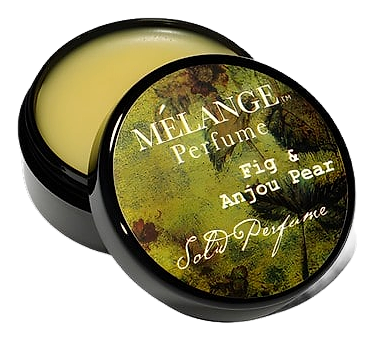
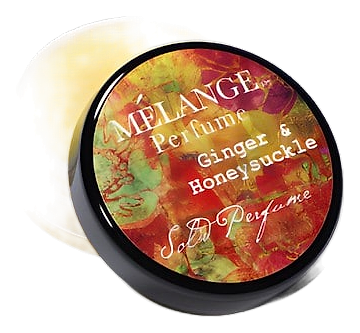
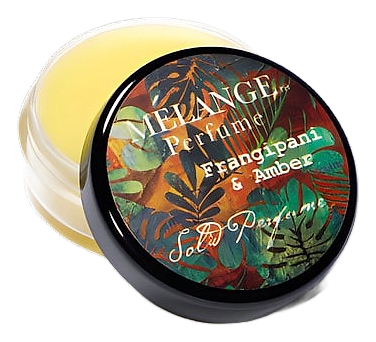
Melange PerfumeMélange Perfumes is a Los Angeles-based studio creating hand-crafted, alcohol-free perfumes inspired by botanical and apothecary traditions. Denise Estrada founded and operates the brand, blending scents to order in her studio. The collection spans roll-on formats and solid perfumes, drawing from floral, fruity, and tobacco-forward note families. Each fragrance carries a numeric designation rather than a poetic name, signaling a methodical approach to formulation. The brand occupies a distinctive niche: artisanal in production yet grounded in natural materials, avoiding the alcohol base common in commercial perfumery. Customers select from an evolving catalog that includes warm amber compositions, single-flower studies like Gardenia and Melati Jasmine, and more complex blends pairing fruits with tobacco. The brand's Instagram presence emphasizes handcraft and nature as core values, positioning Mélange as an intimate alternative to mass-market fragrance.
The Creator
Denise EstradaPatchouli and amber anchor Estrada's work, giving her fragrances a warm, grounded quality that reviewers consistently note. Her compositions favor depth over brightness, with resinous warmth and earthy richness taking precedence.