The Story
Why it exists.
The beginning
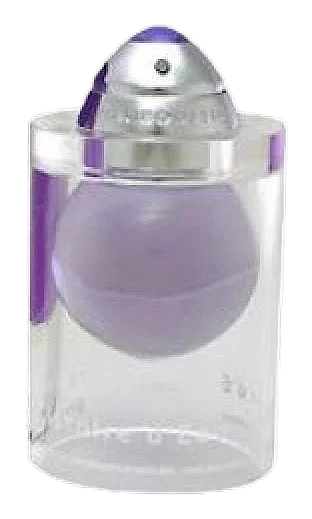
Mauboussin arrived at perfumery the way it arrived at jewellery, with restraint, with purpose, with the understanding that a thing should earn attention rather than demand it. The brand's first fragrance came in 2002. By 2003, Améthyste followed. Where other houses might have expanded their line with safe bets, Mauboussin chose something a little less predictable: a floral that didn't behave like one. The amethyst itself, purple, semi-precious, neither ruby nor sapphire, suggested the positioning. Not obvious. Not loud. Something worth looking at twice.
The note structure tells the story. Mandarin orange opens bright and citrus-forward, not sweet in the way orange often gets, more tart, more alive. Then the peony arrives, but not alone. White flowers rise with it, a chorus rather than a solo. The woody base keeps everything grounded without pulling it toward powder. What results is a floral that skips the clichés: no overwhelming sweetness, no heavy sillage, no performance. Just a scent that sits close to the skin and trusts you to lean in.
The evolution
The opening hits clean. Mandarin orange, a flash of citrus that doesn't linger, it arrives, it announces, it steps back. Within minutes the peony takes over, backed by white flowers that smell like the moment before a garden becomes overwhelming. Not quiet. Just controlled. The drydown is where it gets interesting. Musk rises through the base, not animalic in the aggressive sense, more like warmth left behind on clean skin. Blond woods keep it grounded. Six hours in, it's still there, close, intimate, the kind of smell you catch when you move your hair. Not the room. Just you.
Cultural impact
Discontinued now, but never forgotten by those who found it. The fragrance carved out a specific niche: floral without being sweet, confident without projecting, unusual without alienating. In an era when women's fragrances often leaned toward either heavy tuberose or safe aquatic freshness, Améthyste offered neither extreme. It sits closer to the skin than most bottles from its era, a choice that aged well for those who wore it, less well for a market that kept asking for more.