The Story
Why it exists.
The beginning
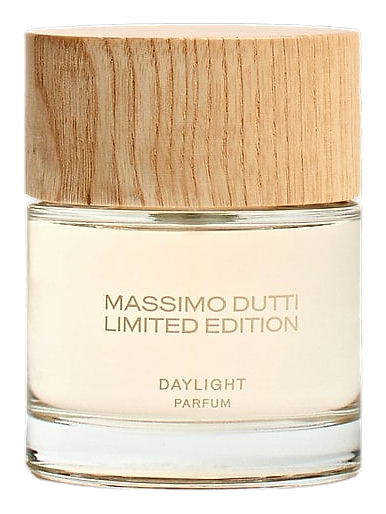
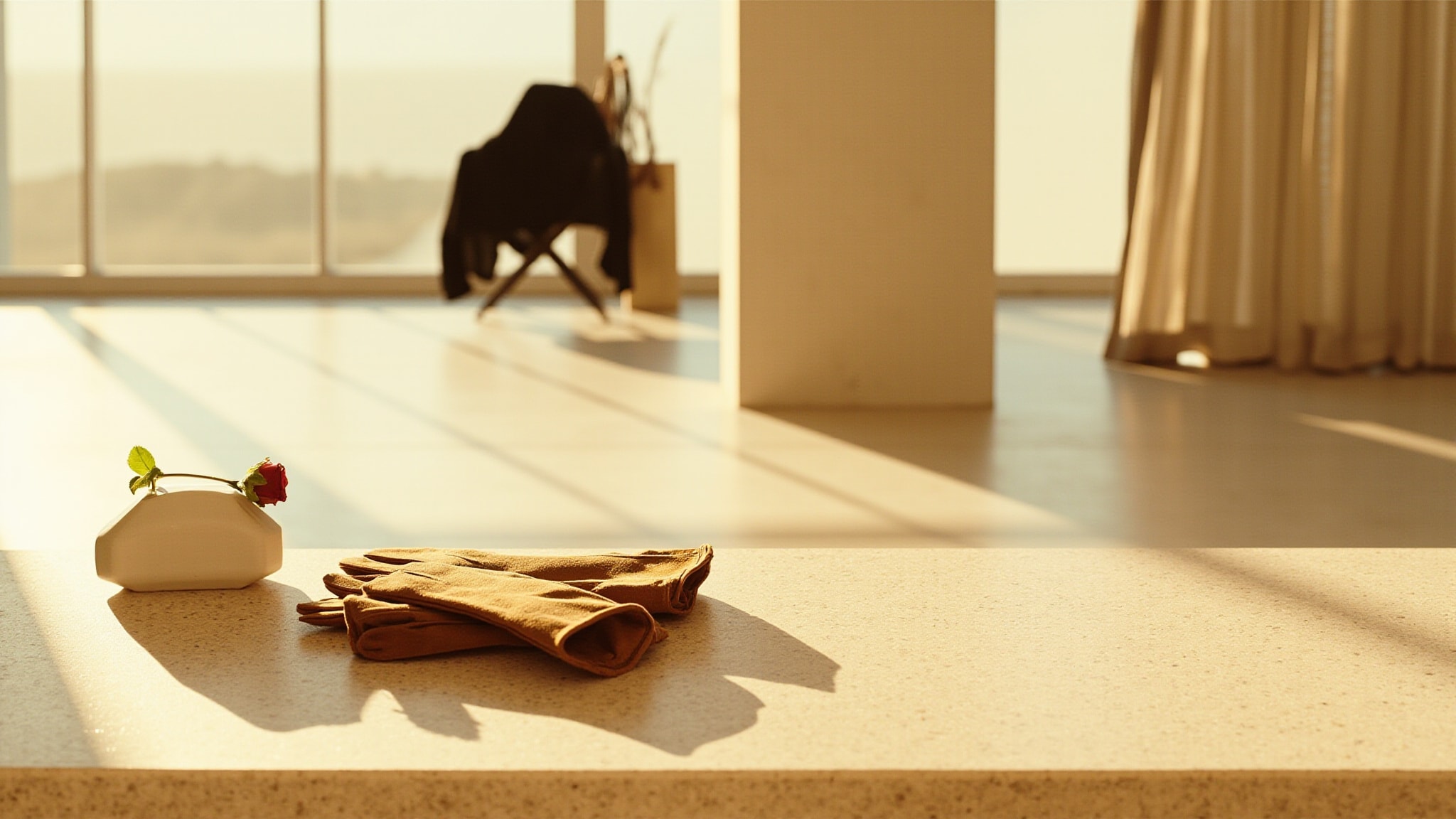
Daylight came from an obsession with texture. Massimo Dutti has worked suede for decades, that matte, tactile warmth against skin. Perfumer Ilias Ermenidis created an olfactory echo of suede rather than a literal interpretation. The result opens bright, almost juicy, then settles into the grain of the thing itself, soft, warm, impossibly close.
What makes this work is the ambrettolide. It's a modern musk that reads differently than the classic varieties, less powdery, more like skin warmed under thin fabric. Paired with carnation and peach, it adds a quiet fullness to the rose without pushing it into florist territory. The praline in the base isn't dessert-sweet; it's the memory of sweetness, the warmth that lingers after something sweet has gone. This is gourmand done with restraint.
The evolution
Lemon hits first, sharp, clean. Then plum and neroli arrive together, a sweetness that feels sun-warmed rather than ripe. By the second hour, the rose asserts itself, but gently, cushioned by ambrettolide's soft weight. The peach is barely there, more breath than note. As hours pass, sandalwood and patchouli anchor the whole thing, and the praline emerges, not as a statement but as a warmth against the skin. The suede reference isn't metaphorical. It genuinely smells like the inside of a jacket you've worn all day.
Cultural impact
Daylight Parfum offers a counterpoint to the loud, statement-making scents that have dominated recent years. The musky rose and praline composition favors depth over projection, intimacy over announcement. This approach reflects Massimo Dutti's broader fashion identity: refined, understated, European. Rather than chasing trends, the brand offers a stable point of view that assumes its wearer already knows who she is.