
The Story
Why it exists.
The beginning
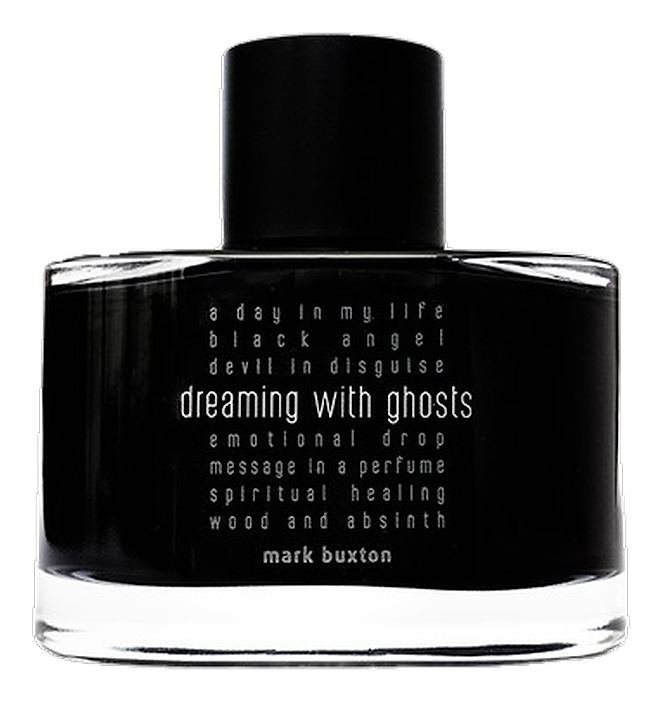
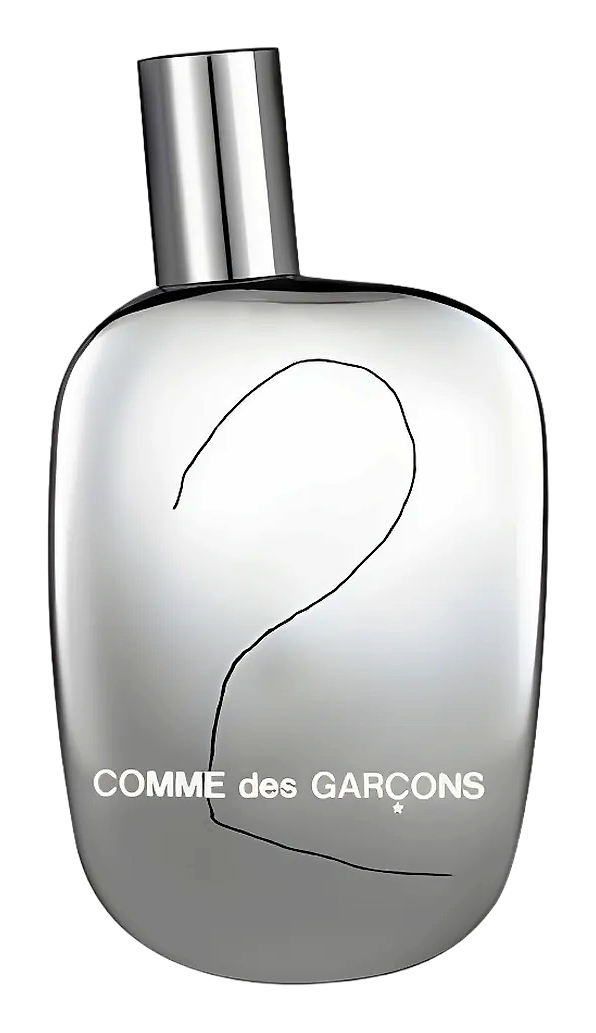
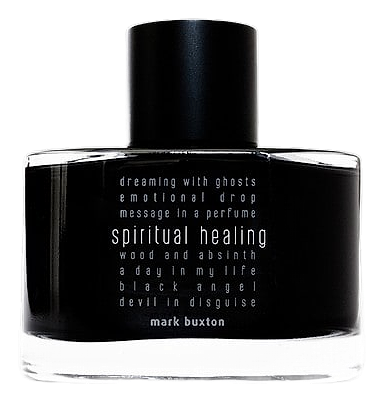
Mark Buxton built significant craft across Givenchy, Paco Rabanne, and Comme des Garçons before establishing his own house. Those years at luxury fashion houses shaped his approach in ways that continued to inform every decision he made going forward. Spiritual Healing emerged from that accumulated experience: a composition that carries the weight of everything that came before it, distilled into something deeply personal.
Osmanthus absolute is the pivot point. Not the most obvious material for a niche house in 2021, it's been around, it's known. But Buxton builds around it differently. The black elder and blackcurrant blossom add a dark fruity layer that most osmanthus fragrances skip. And the castoreum-labdanum base isn't decorative, it's the argument. This is a fragrance about tension: sweet and animalic, floral and leathery, the clean and the close.
The evolution
The opening hits bright and tart, blackcurrant blossom doing what it does, davana adding a green herbal flicker that keeps it from becoming a straightforward fruit. Then the hand-off: osmanthus enters, and the composition shifts into its middle register. Apricot leather, that specific floral-fruity ambiguity that osmanthus carries better than almost anything. Black elder deepens the fruit into something darker, almost wine-like. The base takes its time arriving. When castoreum finally surfaces, it doesn't roar. It whispers. Animalic warmth, labdanum resin, something that stays close to the skin and lingers past what you'd expect. Moderate sillage means it belongs to the wearer and anyone who gets close enough to ask.
Cultural impact
Osmanthus occupies a specific space in Western perfumery, known but not ubiquitous, complex but not intimidating. Within that context, this fragrance offers something unexpected: the fruit and the leather together, the castoreum that doesn't apologize for itself. It's the kind of scent that rewards attention without demanding it.