
The Story
Why it exists.
The beginning
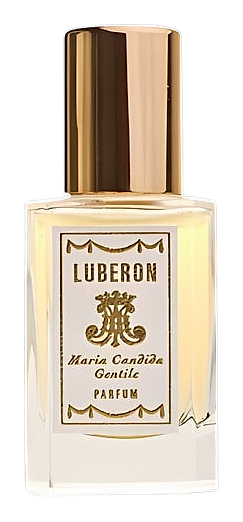
Luberon is named for the mountain range in Provence, France, a landscape synonymous with lavender cultivation and rolling violet fields at harvest time. Maria Candida Gentile, the Italian perfumer behind the house, designed this fragrance in 2012 as part of her Exclusive collection. Rather than a nostalgic recreation of a classic fougère, she approached lavender as a material to be reimagined, modern, bright, and unmistakably alive.
What makes this composition work is the tension between cool and warm. Lavender opens aromatic and green, that's the herbal, almost medicinal quality that defines the top. Mint doesn't just sit alongside it; it creates contrast, a clean coolness that prevents the lavender from ever feeling heavy. Then may rose enters, softening the composition into something unexpectedly floral. Oakmoss and cedar form the backbone, mossy, woody, and grounding. The result is a fougère that follows its classical structure (fresh top, aromatic heart, mossy-woody base) but feels contemporary rather than dated.
The evolution
The opening arrives bright and herbal, lavender announces itself immediately, aromatic and clean. Within minutes, mint shifts the temperature. Cool now, almost green in its freshness. The may rose doesn't fight for attention; it arrives quietly, softening what came before. Oakmoss and cedar take over around the two-hour mark. The drydown is mossy, woody, and lingers close to the skin through the afternoon. Cedar outlasts everything else, a quiet, dry wood that stays into the evening.
Cultural impact
Luberon occupies a specific space in niche perfumery, for the wearer who appreciates lavender's aromatic, herbal character but wants something that reads contemporary rather than classical. The mint note adds a modern coolness that distinguishes it from traditional fougères. It's the kind of fragrance that rewards someone who's curious about lavender beyond its old-fashioned associations.