
The Story
Why it exists.
The beginning
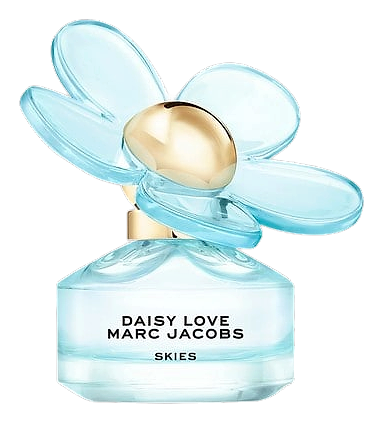
Daisy Love Skies arrived in 2021 as a new expression within the sweet-fruity family, but stretched toward something more open and expansive. The name says it: where the original leaned into warmth and intimacy, this one reaches upward, toward air and light and salt. The perfumer approached the composition with that tension in mind: how to preserve the sweetness that defined Daisy Love while giving it enough freshness to feel new. The answer was salt. Not marine, not aquatic, a mineral quality that sits underneath the fruit and keeps everything from cloying. It's the difference between eating raspberry candy on a beach and eating raspberry candy on a terrace with a sea breeze.
The structural confidence of this composition shows in how it doesn't reach for the obvious aquatic accord. Instead, it uses abelmoschus, ambrette seed, which behaves differently than a traditional floral, closer to a warm, subtle presence. The result is a heart that smells like skin, not perfume. Salt does the heavy lifting in the opening, lifting the cloudberry and raspberry into something that reads as coastal air rather than confection. The whipped cream note in the heart creates something softer and more intimate, layered underneath the fruit.
The evolution
The opening hits bright and tart, cloudberry and raspberry with an immediate mineral edge from the salt. It reads as coastal air, not a fruit salad. The salt doesn't disappear. It softens as the heart develops, but it never fully leaves. The whipped cream arrives as the fruit settles, layering underneath it and creating something softer and more intimate. The daisy note begins to surface, powdery and clean, present earlier than expected. The heart phase is quiet, warm, skin-like. As it transitions, the fruit and cream have faded, but moss and amber create something that still smells fresh, still smells like mineral sweetness. This is the part that lingers, moderate longevity with moderate sillage, close to the body rather than projecting outward. It's the scent of someone who's been in the sun, not someone who bathed in it.
Cultural impact
Daisy Love Skies sits in the sweet-fruity family that characterizes the Daisy line, but the salt note shifts the conversation. It's not another coconut-vanilla flanker. It's a fragrance that smells like the air near water, mineral, bright, effortless. Joy without heaviness, sweetness without cloying. The composition doesn't try too hard. It just works, with a structural confidence that comes through in every phase of the scent.
The House
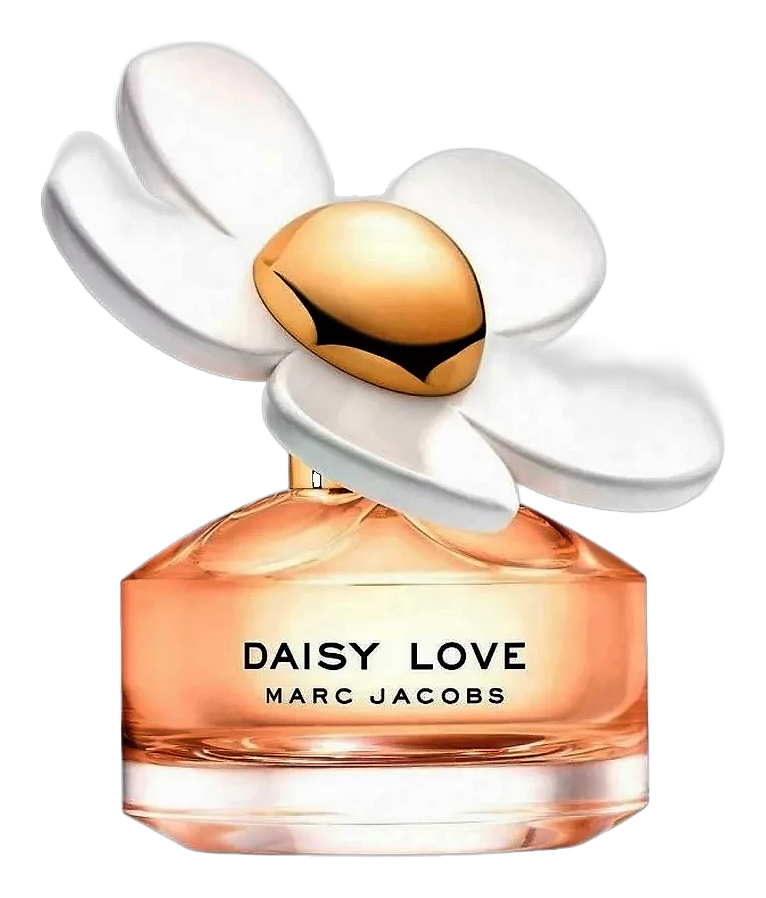
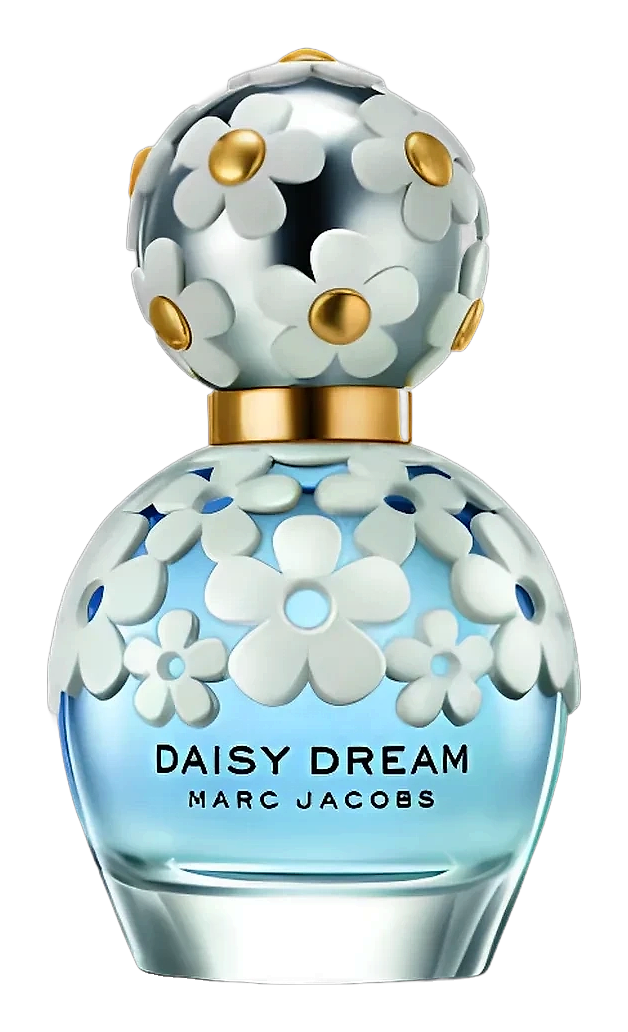
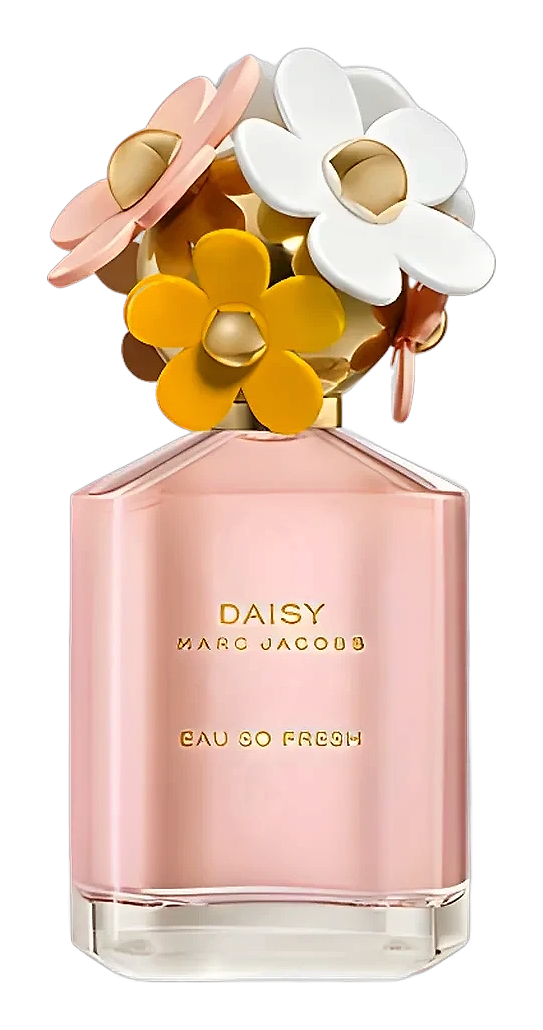
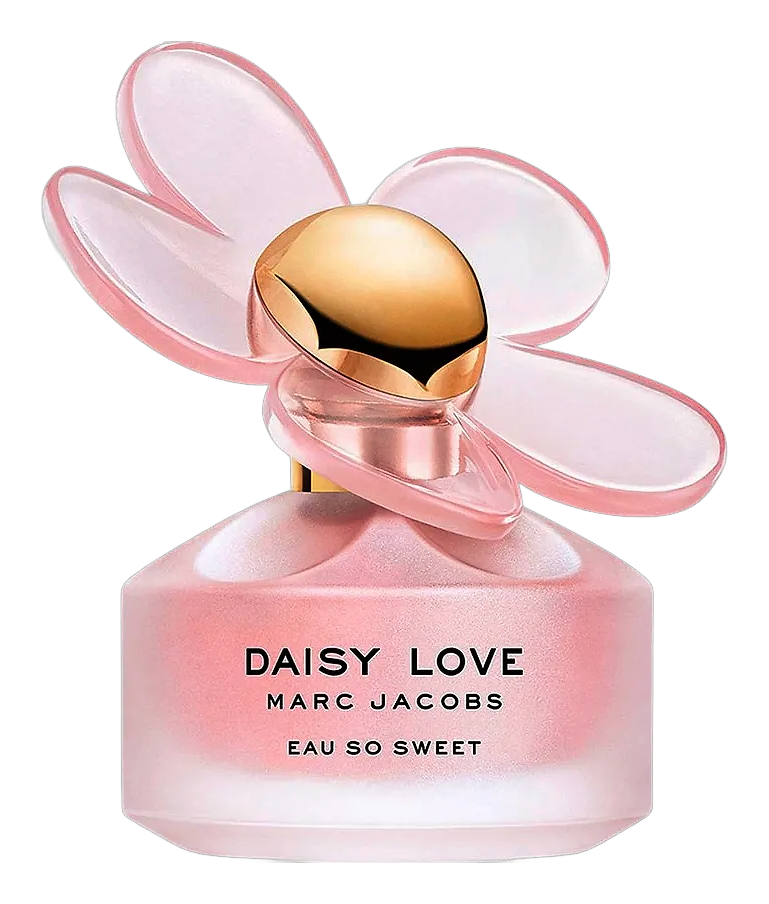
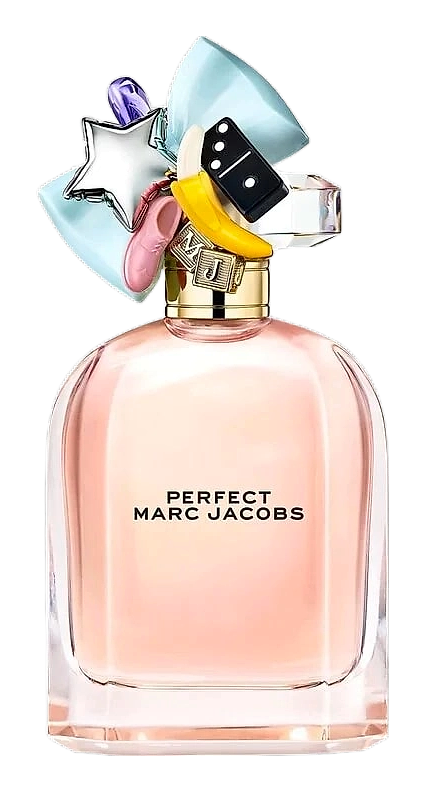
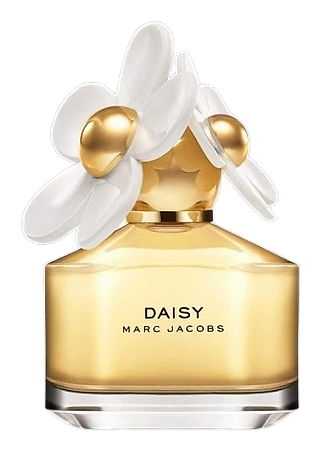
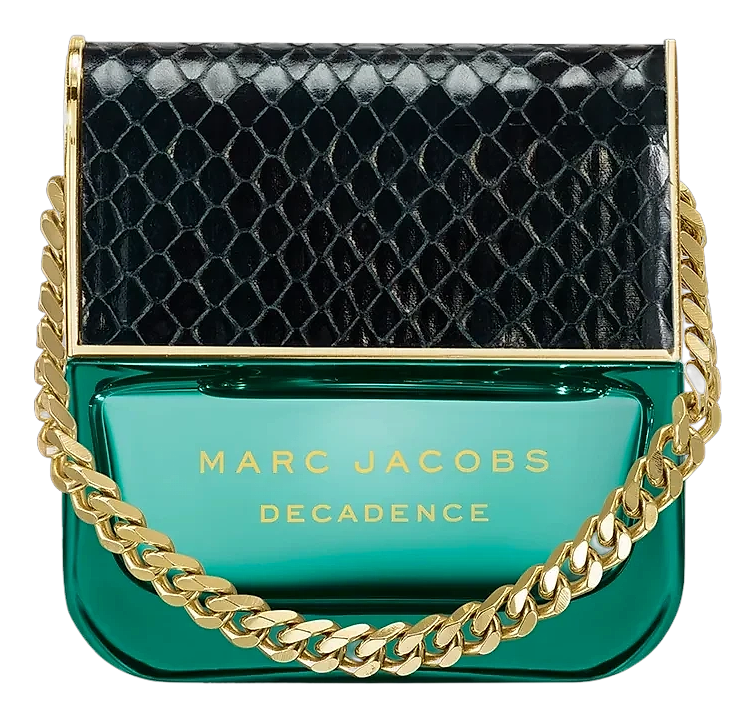
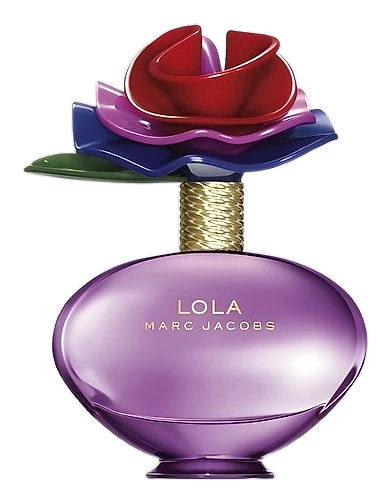
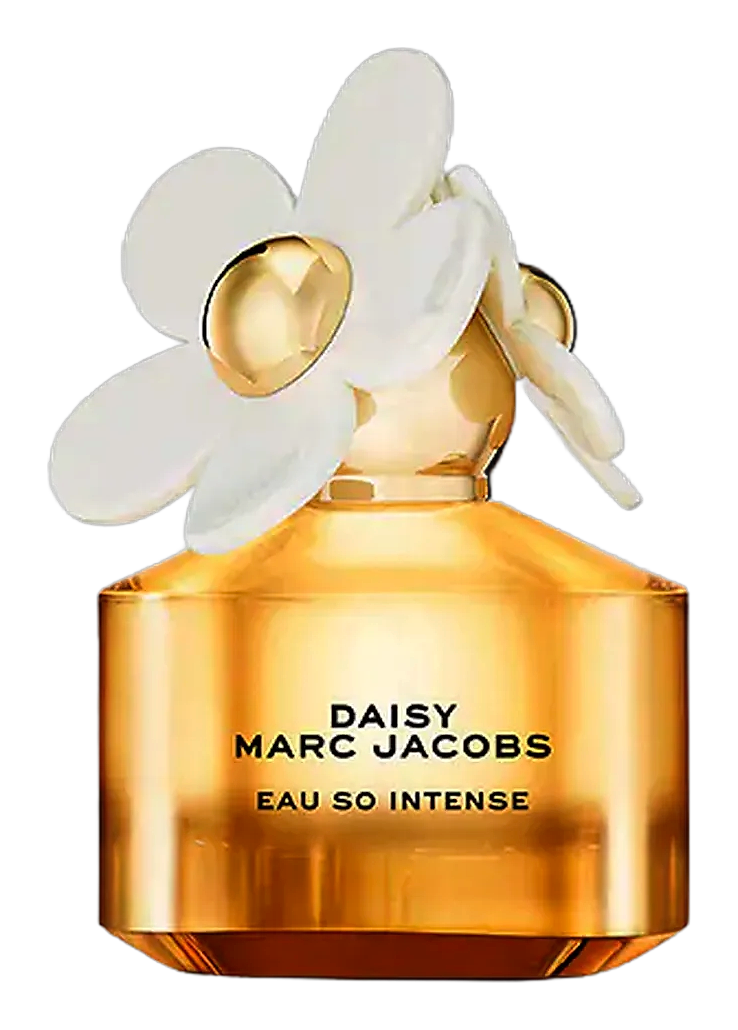
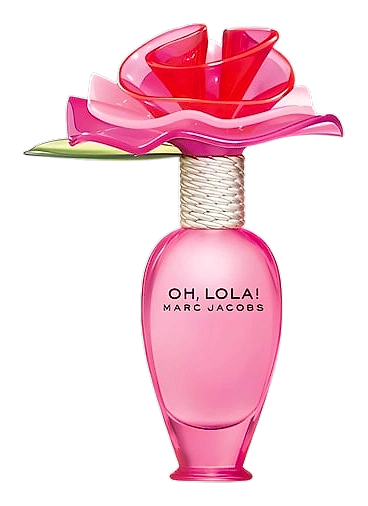
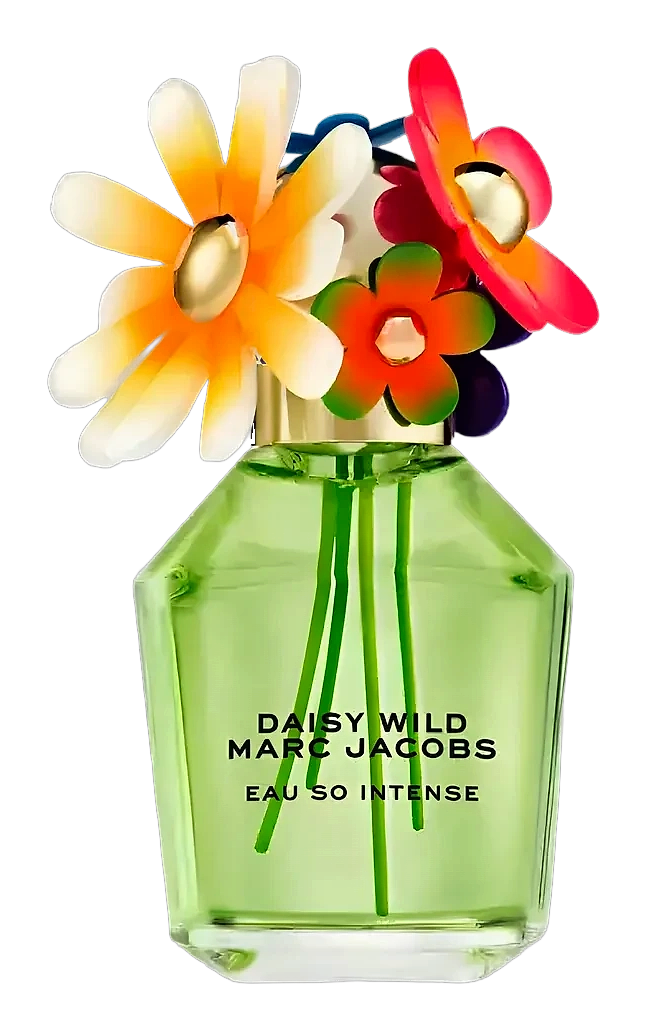
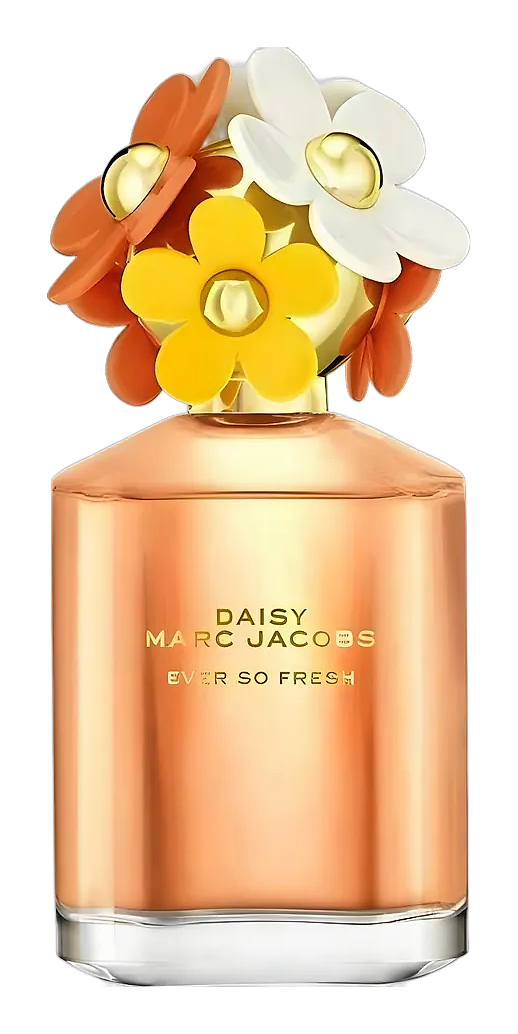
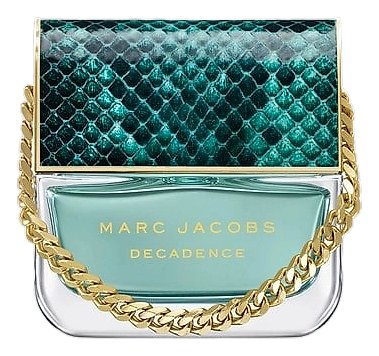
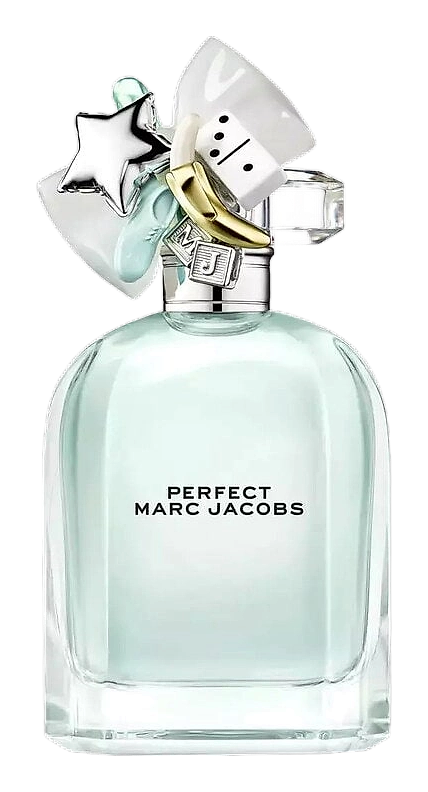
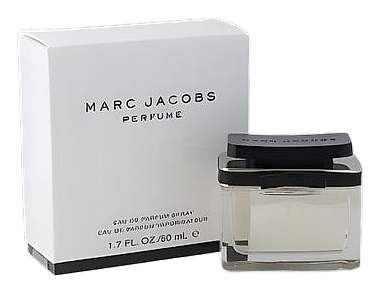
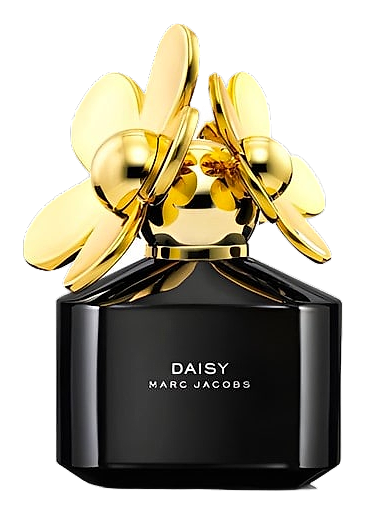
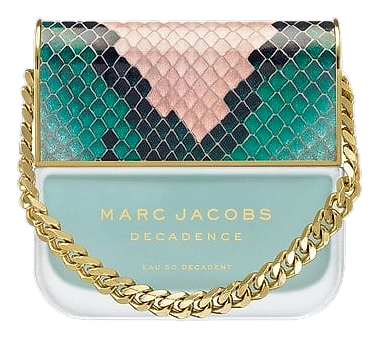
Marc JacobsMarc Jacobs fragrances, produced under license by Coty, launched in 2001 with Marc Jacobs for Women, followed by a companion men's scent in 2002. The brand has since built an extensive portfolio of fragrances anchored by signature lines including Daisy (2007), Lola (2009), Decadence (2015), and Perfect (2020). Daisy, named after Daisy Buchanan from F. Scott Fitzgerald's The Great Gatsby, quickly became a defining success for the brand, spawning numerous flankers and variations across multiple collections. The line's visual identity, with its oversized daisy cap atop a clean bottle, became one of the most recognizable silhouettes in contemporary perfumery. Decadence introduced a handbag-shaped bottle on a gold tasselled chain, a notably unconventional vessel for fragrance at the time of its launch. The brand has collaborated with a broad roster of perfumers over the years, including Annie Buzantian, Ann Gottlieb, Steve DeMercado, Loc Dong, Alberto Morillas, and Calice Becker, among many others. Marc Jacobs fragrances are available at major department stores worldwide and online.
The Creator
Alberto MorillasMorillas' style is characterized by a luminous transparency and a masterful use of musks. He often incorporates citrus notes to create a bright, uplifting effect.