
The Story
Why it exists.
The beginning
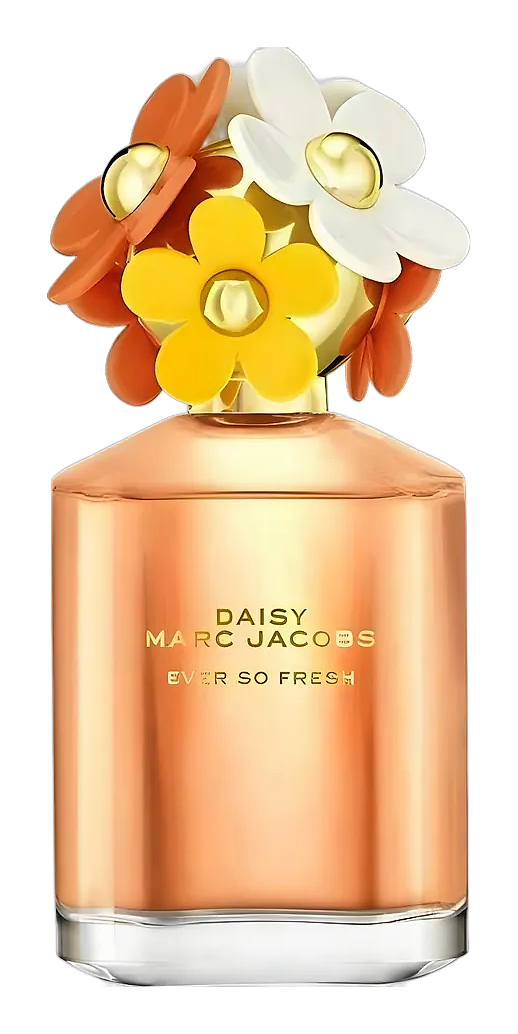
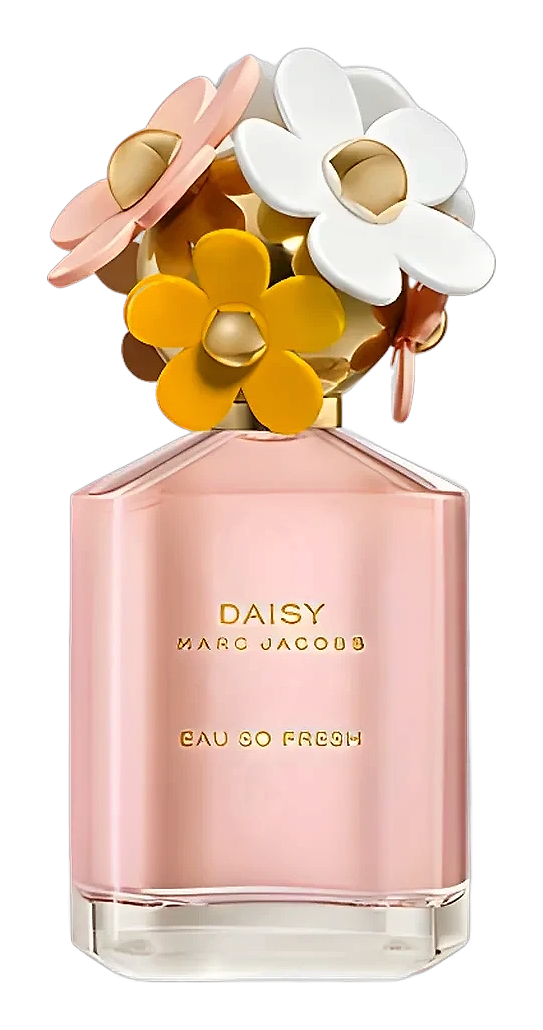
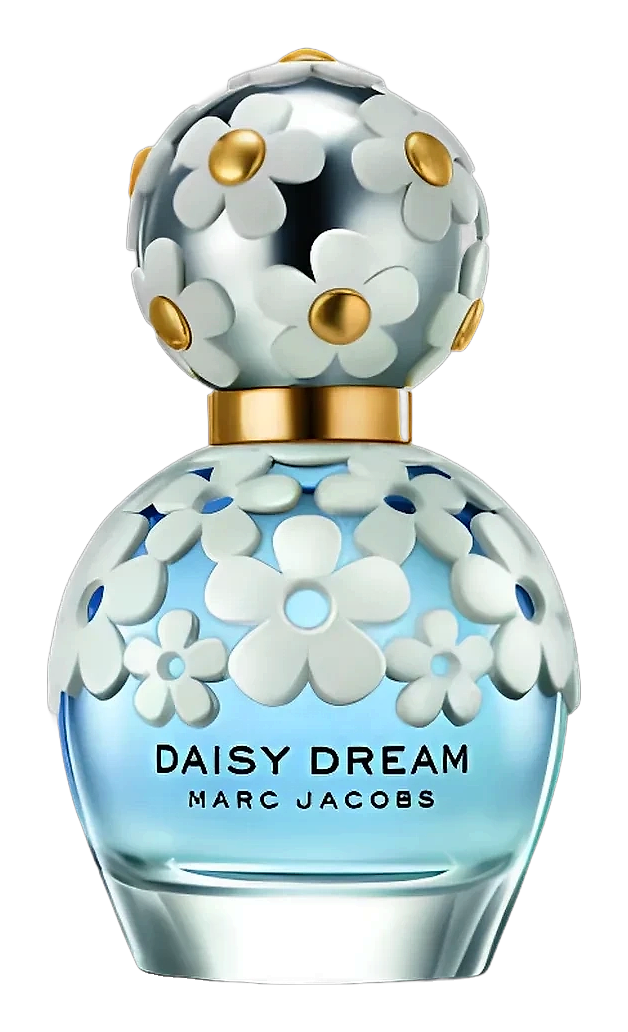
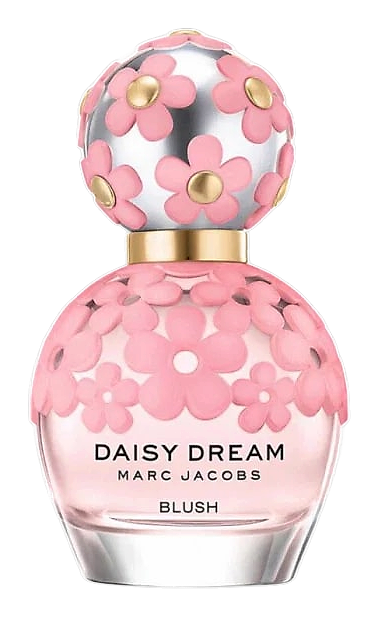
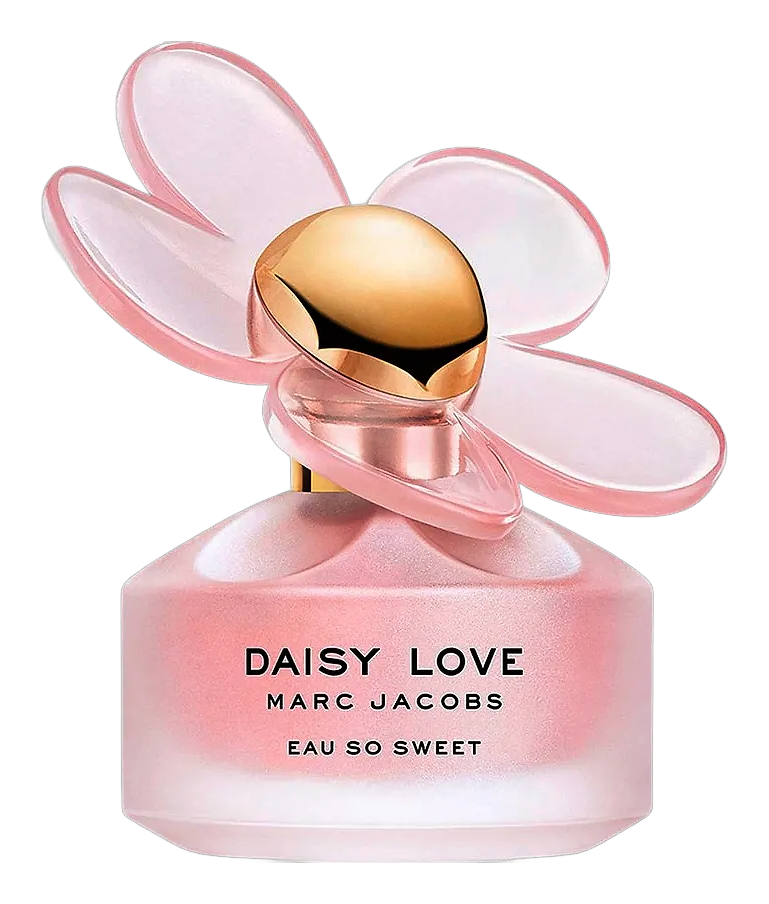
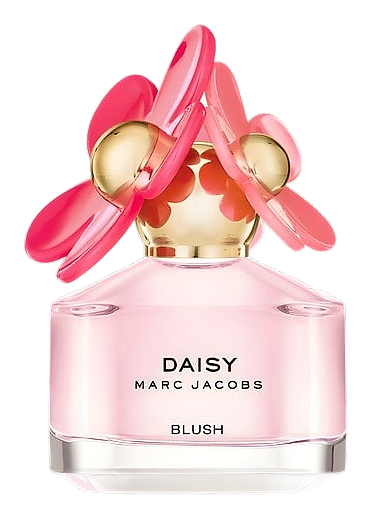
Daisy Blush arrived in 2016 as part of a limited-edition Blush collection, joining Daisy Eau So Fresh Blush and Daisy Dream Blush in soft pink bottles. The brief was clear: take the Daisy girl somewhere new without losing what made her recognizable. Annie Buzantian, the perfumer behind the original Decadence, approached the brief with restraint. No dramatic pivots. No loud declarations. Instead, a scent built on quiet florals and the kind of softness that takes confidence to wear. The name says blush, and the fragrance delivers exactly that: a rosy, gentle interpretation of spring that never pushes too hard. It was positioned as the most sophisticated expression in the Daisy line, the one for someone who'd grown into the original but wasn't ready for Decadence yet.
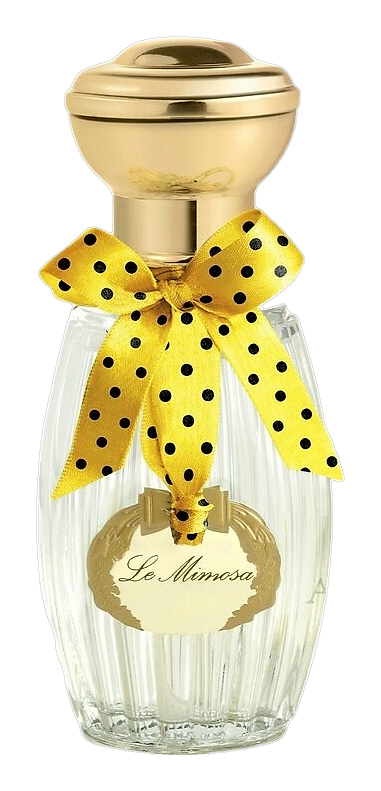
What makes Daisy Blush interesting is the interplay between its aquatic opening and its yellow florals. Water lily and pear give the top a cool, almost transparent quality, a freshness that reads as dewy rather than sharp. But then honeysuckle and mimosa arrive, and the composition shifts from cool to warm mid-register. Mimosa is the underused card here. Its buttery, powdery floral character adds body without weight, connecting the cool opening to the musk-and-wood base in a way that feels inevitable rather than constructed. The result is a fragrance that breathes. Nothing fights for attention. Everything arrives on schedule and exits politely.
The evolution
The opening is the star. Pear and water lily hit bright and clean, a mineral freshness that lasts longer than expected before the florals begin their slow unfurling. Lily of the valley appears first, crisp and green, followed by honeysuckle's honeyed sweetness. The handoff is seamless. What surprises is how the mimosa anchors the heart phase, adding a creamy powderiness that keeps the florals from reading as simple or juvenile. By hour two, the composition has settled into its base: soft musk and woody notes that add warmth without depth. The sillage drops to intimate. The longevity holds for three to four hours on most skin, occasionally shorter on dry skin. What lingers isn't the scent itself but the impression of it, the ghost of something clean and floral that someone nearby noticed but couldn't quite place.
Cultural impact
Daisy Blush arrived in 2016 as part of the Blush collection, marking a deliberate shift within the Daisy franchise toward restraint and intimacy. While the original Daisy defined a generation of approachable, youthful florals with its bold strawberry and violet leaf opening, Daisy Blush offered a quieter alternative that suited an audience aging alongside the line. The emphasis on mimosa, powdery florals, and soft musk placed it squarely within the mid-2010s soft floral movement that favored intimate, close-to-skin wear over projecting sillage. The limited-edition status gave it collector appeal, contributing to its cult status among Daisy enthusiasts who appreciated its gentler character.
The House
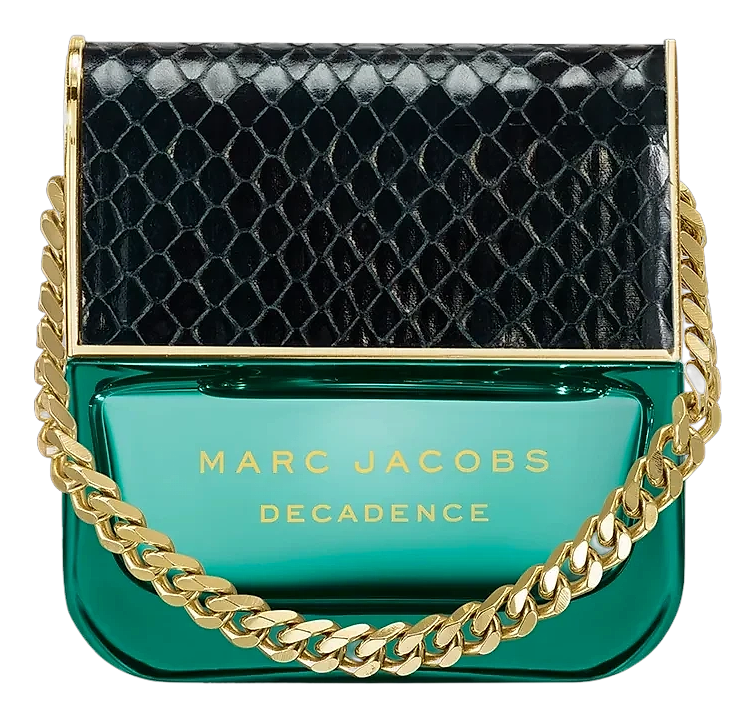
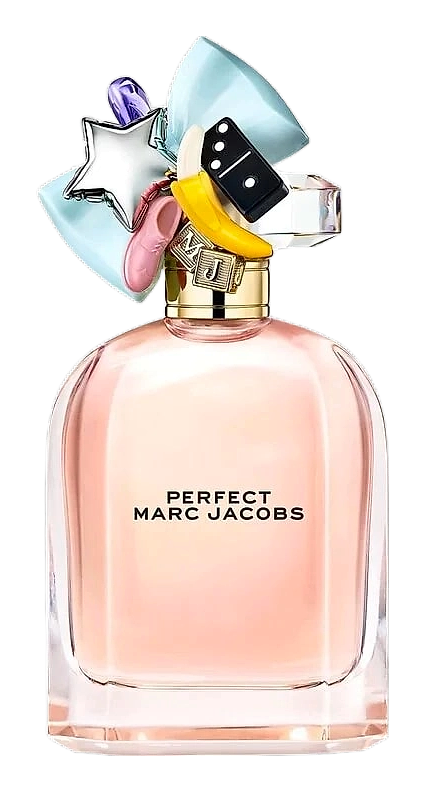
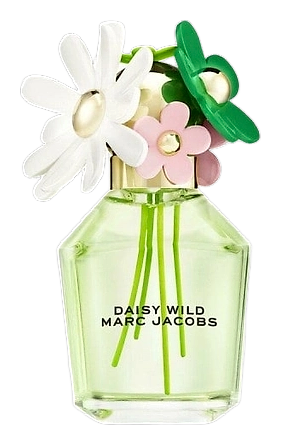
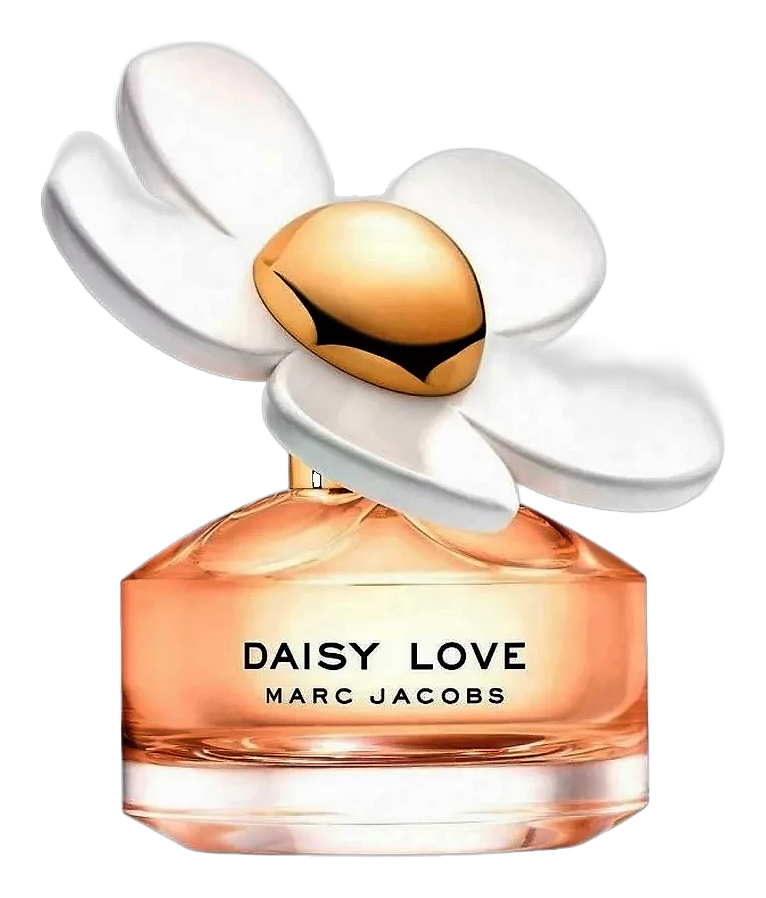
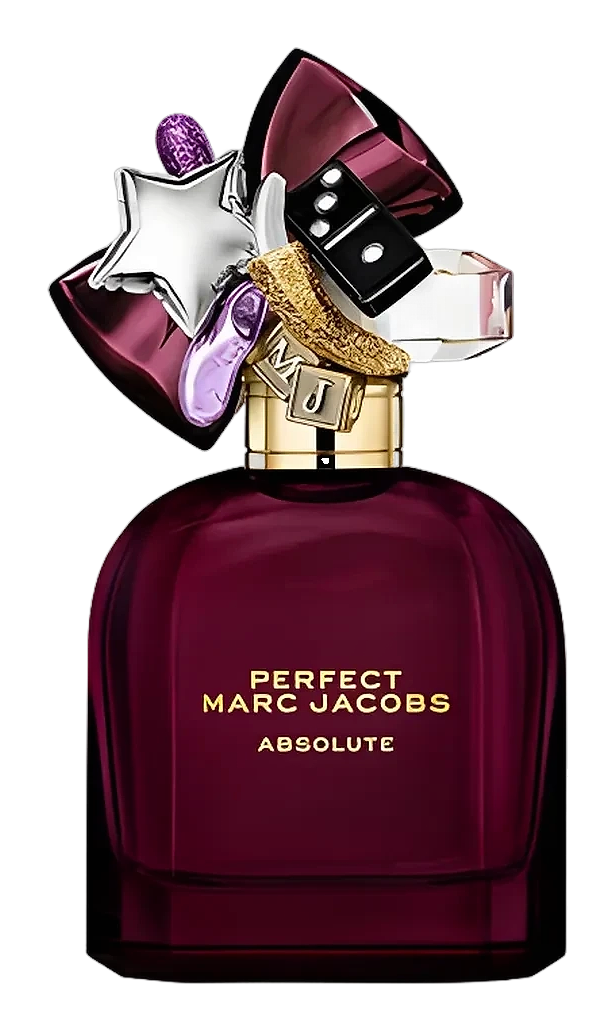
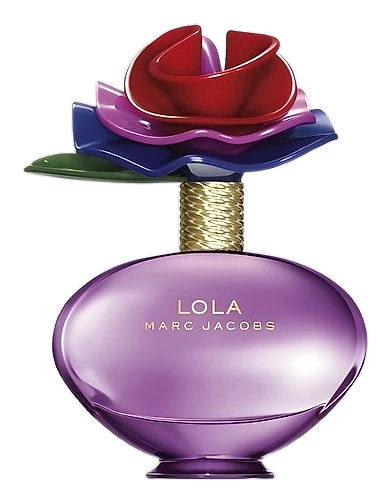
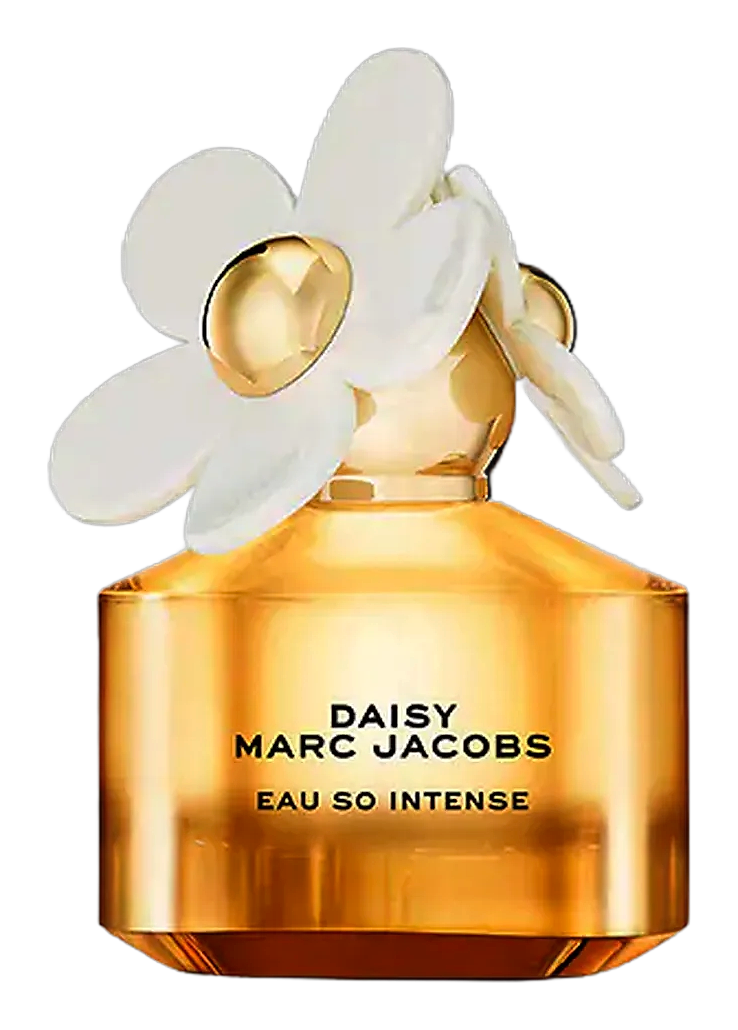
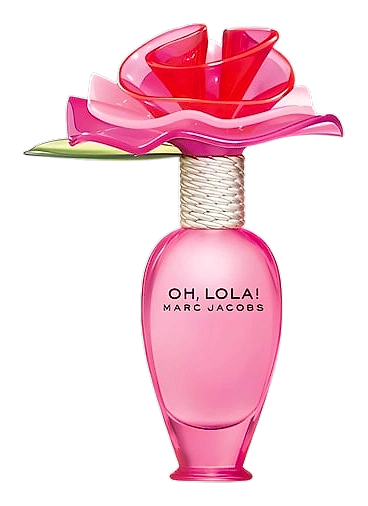
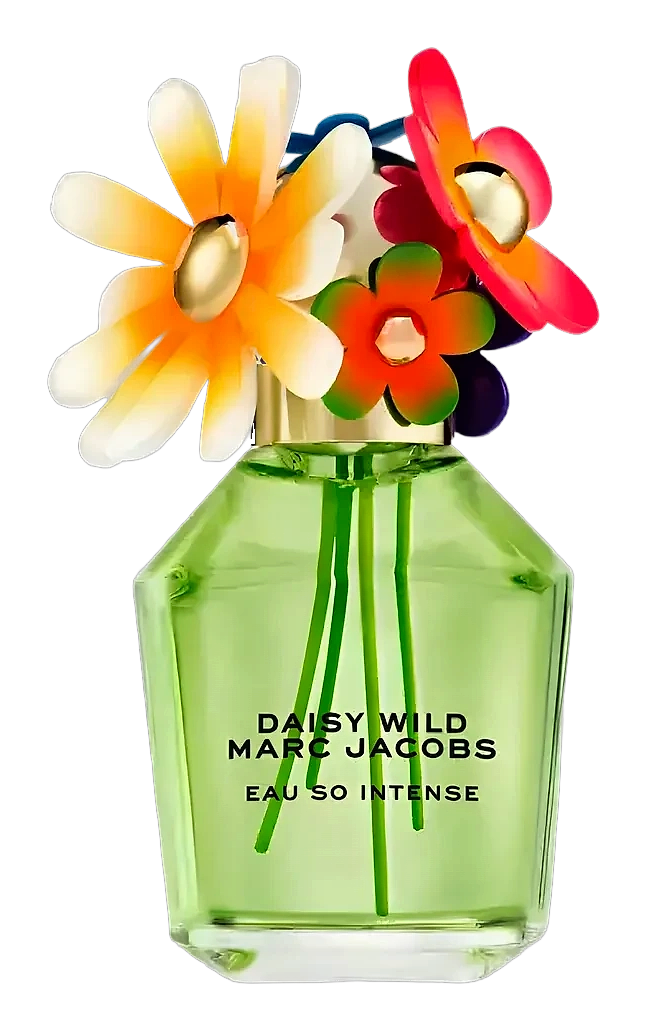
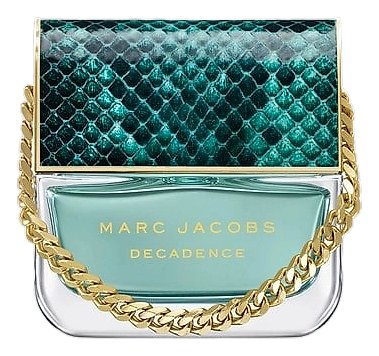
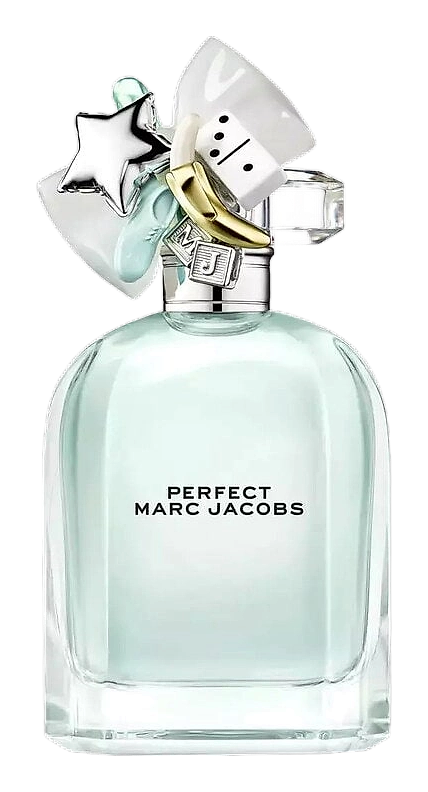
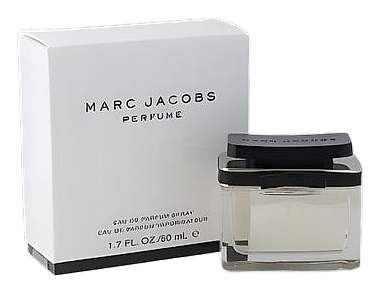
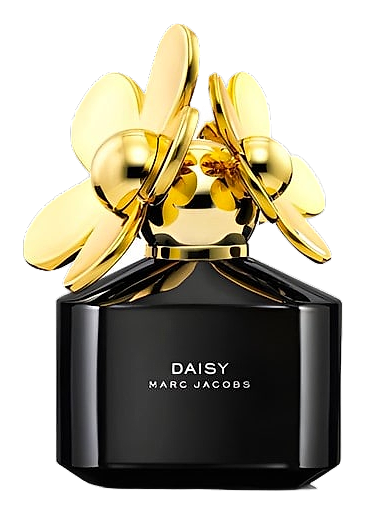
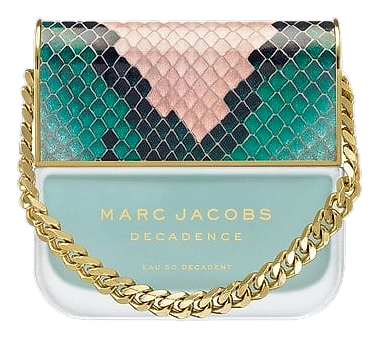
Marc JacobsMarc Jacobs fragrances, produced under license by Coty, launched in 2001 with Marc Jacobs for Women, followed by a companion men's scent in 2002. The brand has since built an extensive portfolio of fragrances anchored by signature lines including Daisy (2007), Lola (2009), Decadence (2015), and Perfect (2020). Daisy, named after Daisy Buchanan from F. Scott Fitzgerald's The Great Gatsby, quickly became a defining success for the brand, spawning numerous flankers and variations across multiple collections. The line's visual identity, with its oversized daisy cap atop a clean bottle, became one of the most recognizable silhouettes in contemporary perfumery. Decadence introduced a handbag-shaped bottle on a gold tasselled chain, a notably unconventional vessel for fragrance at the time of its launch. The brand has collaborated with a broad roster of perfumers over the years, including Annie Buzantian, Ann Gottlieb, Steve DeMercado, Loc Dong, Alberto Morillas, and Calice Becker, among many others. Marc Jacobs fragrances are available at major department stores worldwide and online.
The Creator
Annie BuzantianAnnie favors a structural approach, building around a strong heart that anchors the perfume. She often chooses violet, heliotrope, and lilac to add a soft floral edge, then balances them with musk and warm woods for longevity.