The Story
Why it exists.
The beginning
Marc Jacobs and Steve DeMercado designed Blush Intense together, building the perfume around jasmine as a commanding floral note. Marc Jacobs agreed, reportedly noting that the perfume was made for women who refuse to stay in the shadow. That language matters, not subtle, not polite, not for those who mistake loudness for lack of depth. Jasmine takes center stage here, not as an accent or supporting element but as the full composition. It blooms with a sweet, almost electric quality that feels both natural and heightened, the kind of white floral that announces itself without apology. The result is a white floral that earns its volume, a fragrance that refuses to hide its intentions behind subtlety or restraint.
What makes Blush Intense interesting isn't the jasmine itself, it's the cashmere wood underneath. That material, neither true wood nor true soft good, acts like a bridge: it keeps jasmine from climbing into the air too aggressively while adding warmth that the floral alone can't sustain. Sandalwood does similar work in the base, adding milky powder that extends the drydown into something genuinely intimate. Orange blossom provides the transition, sweeter, slightly greener than jasmine, so the heart doesn't feel like a single note held too long.
The evolution
The opening is jasmine, pure and synthetic-sweet. There's no ambiguity here, no waiting period. Right away, you know what this fragrance is. The heart adds orange blossom, but it's more accent than equal, jasmine remains the sentence, orange blossom the comma. As the fragrance develops, cashmere wood arrives to add warmth and texture. The floral doesn't disappear; it deepens, becomes skin-warm, integrating with the woody base to create something more intimate than the opening suggested. The drydown settles into sandalwood and musk: soft, powdery, close. This is a fragrance that opens with strong projection, then retreats to become something only the wearer notices, and that's by design.
Cultural impact
Blush Intense enters the white floral conversation with a different agenda than many in its category. The perfume makes its case for bold florals, targeting the woman who wants impact without old-fashioned associations. It offers the weight and presence of a heavy floral while avoiding the dated connotations that can cling to that style. In a landscape where white florals often play supporting roles, Blush Intense takes the lead, standing as the assertive choice for those who want their floral fragrance to speak clearly and without apology.
The House
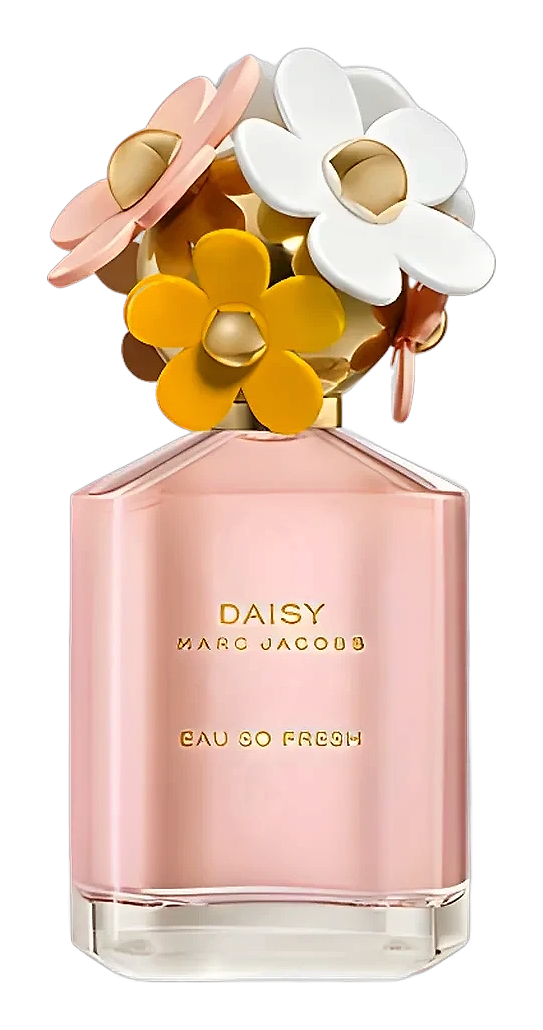
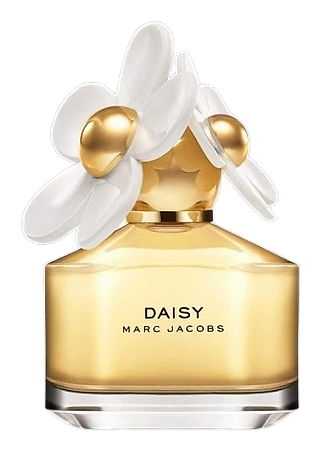
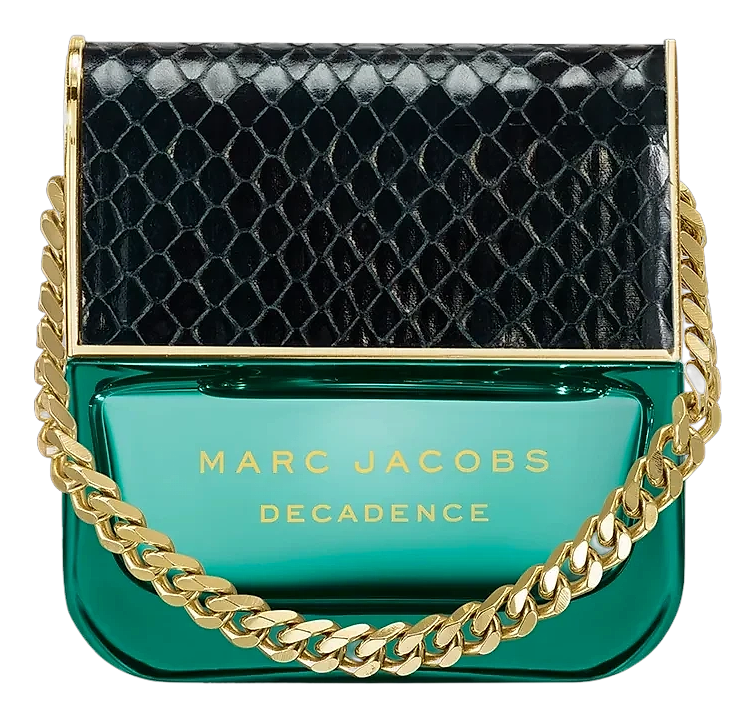
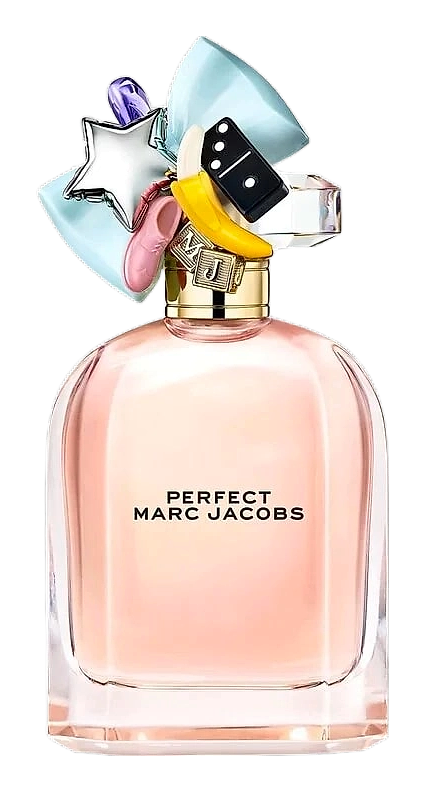
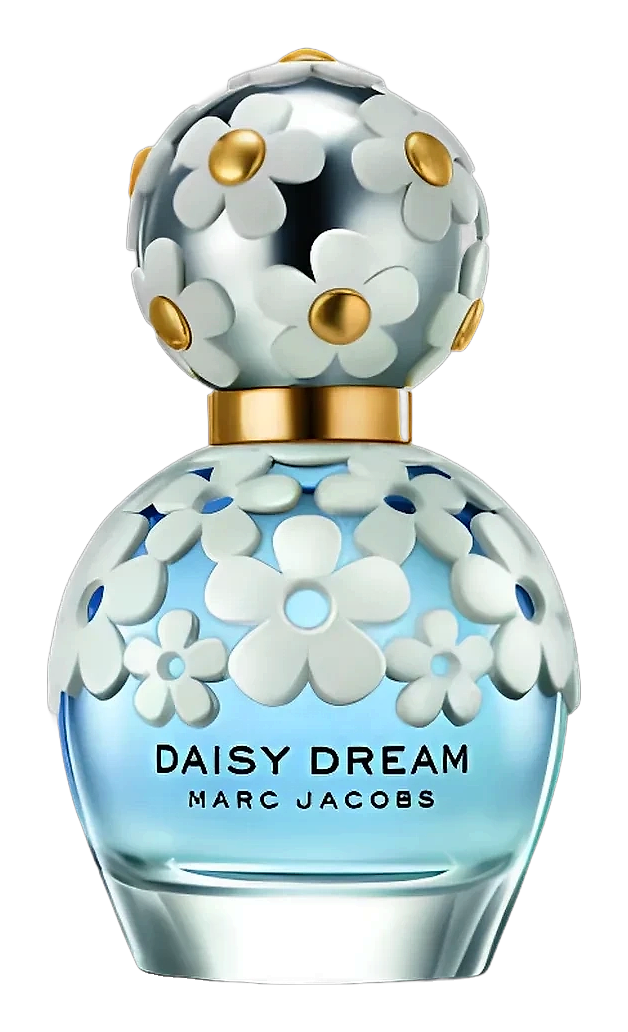
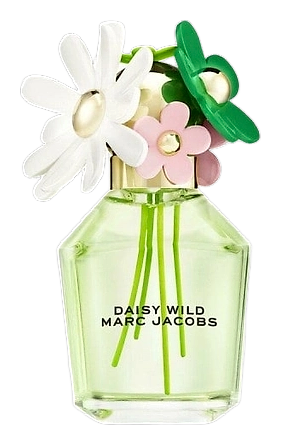
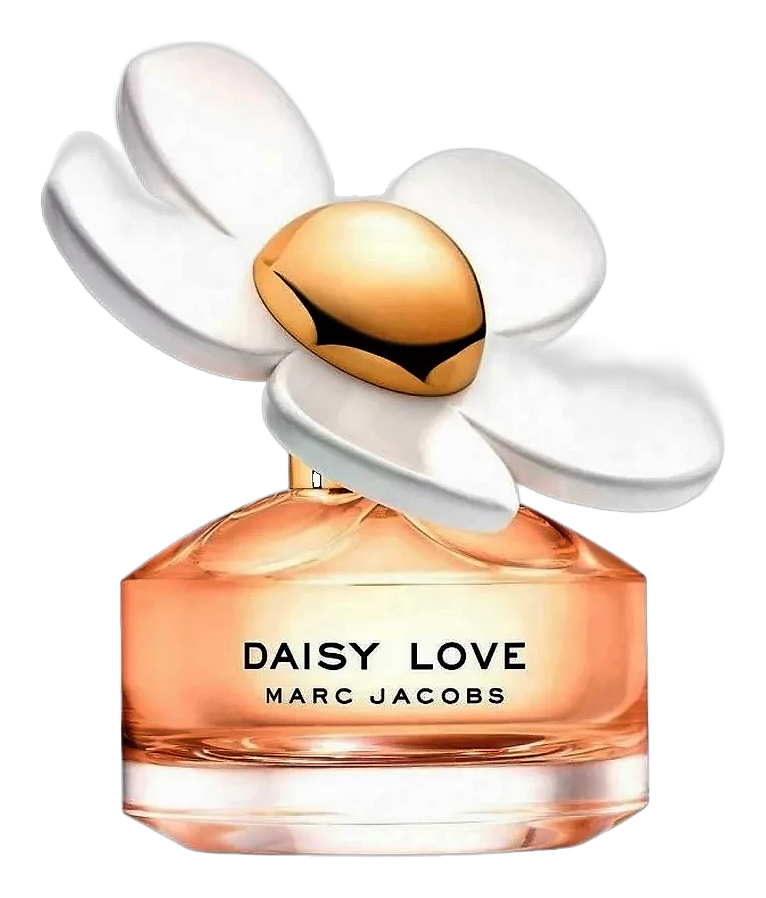
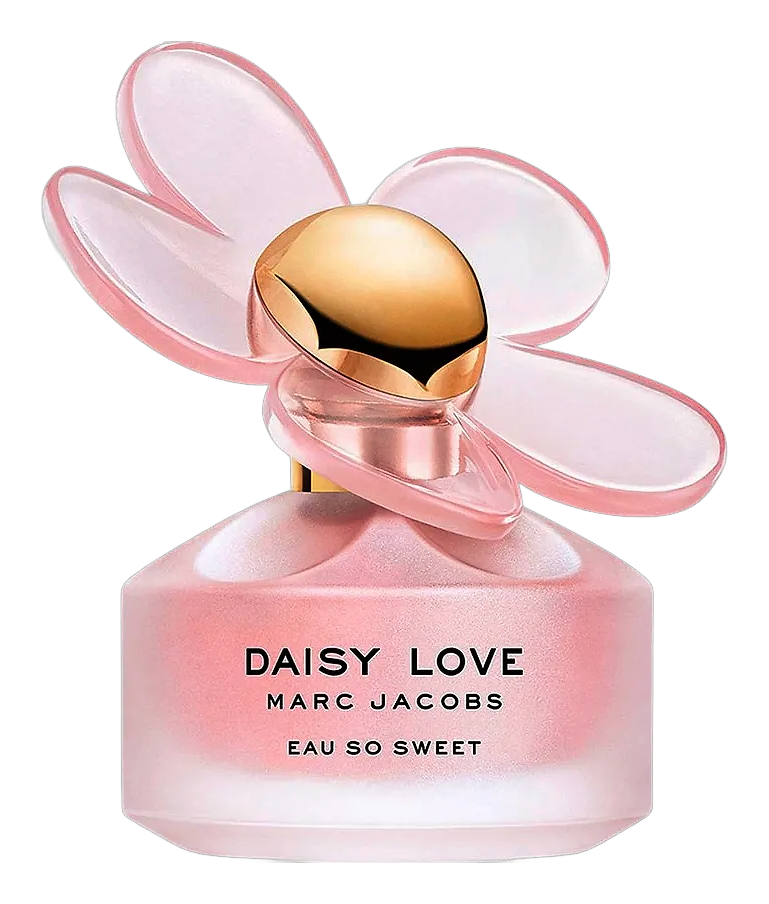
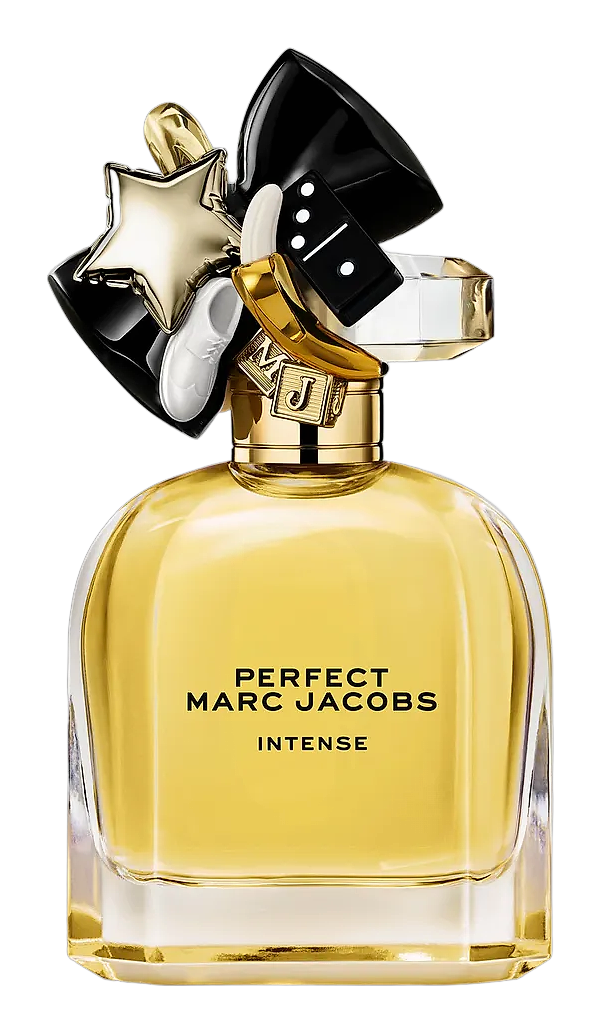
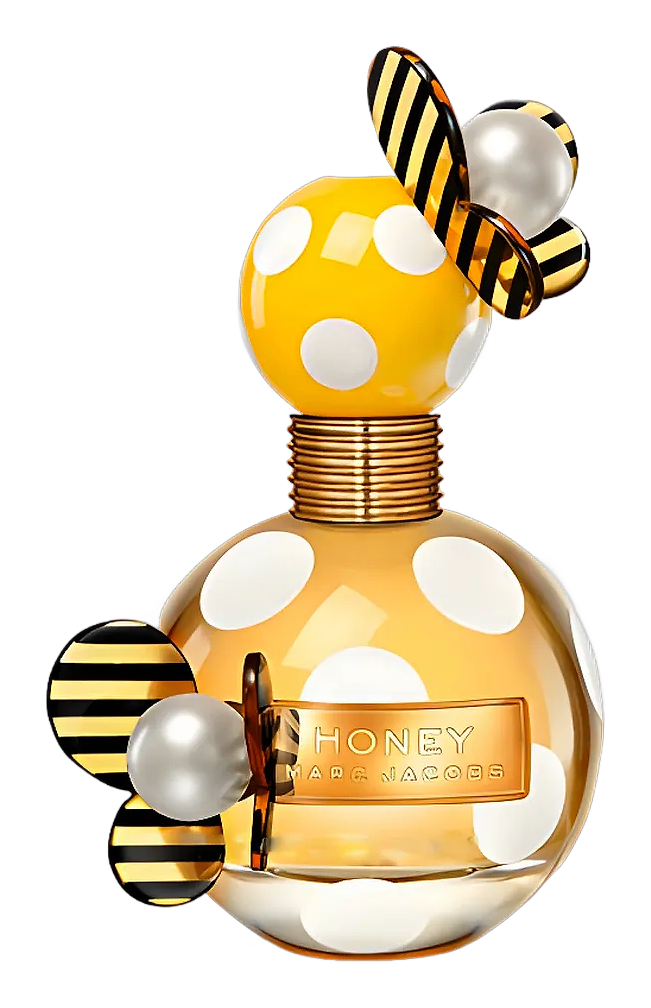
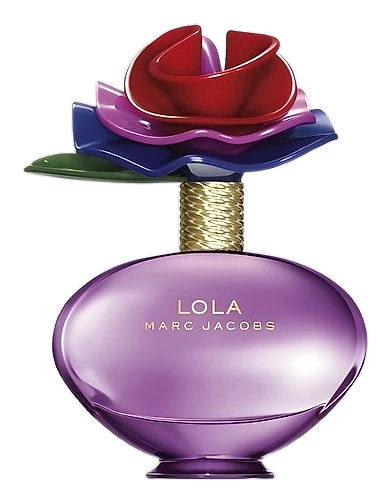
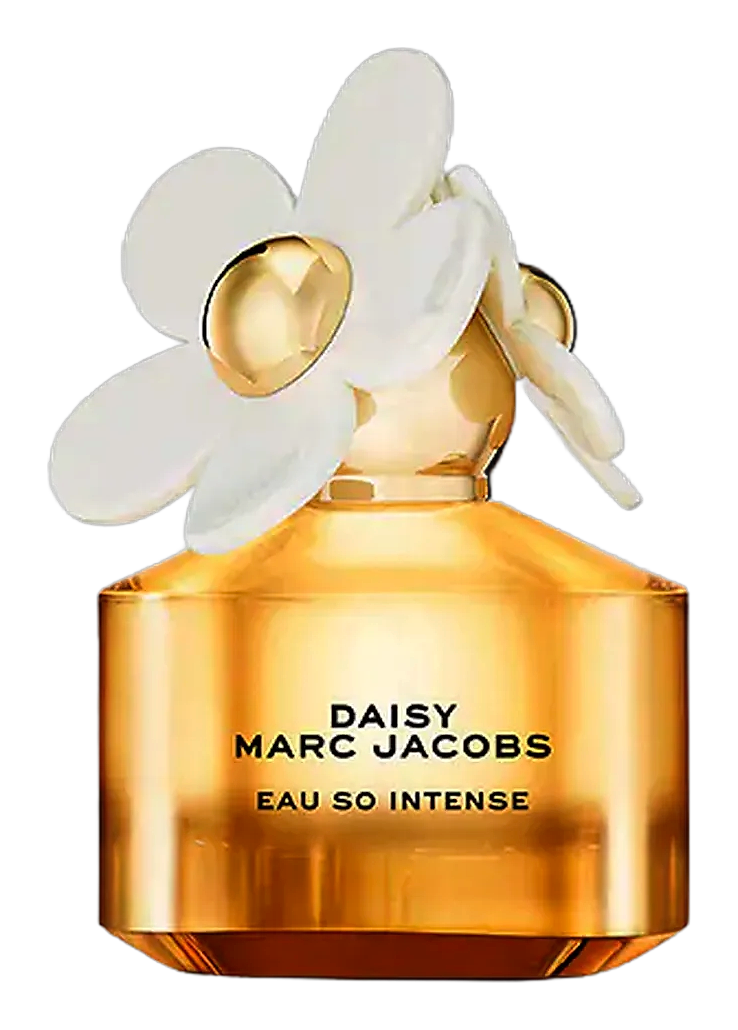
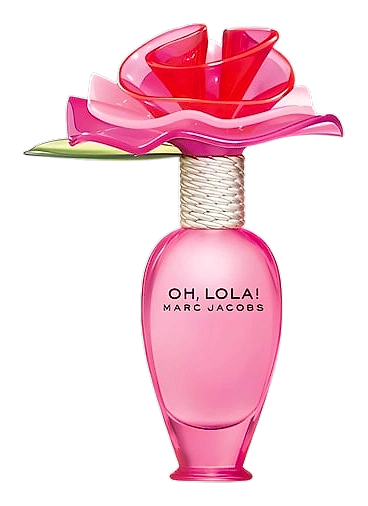
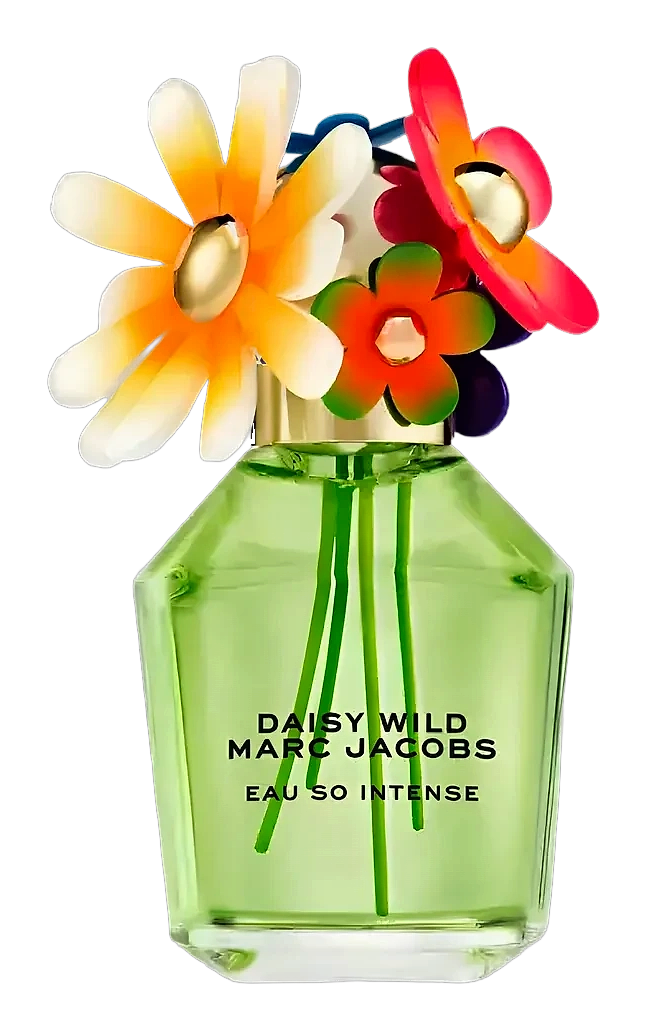
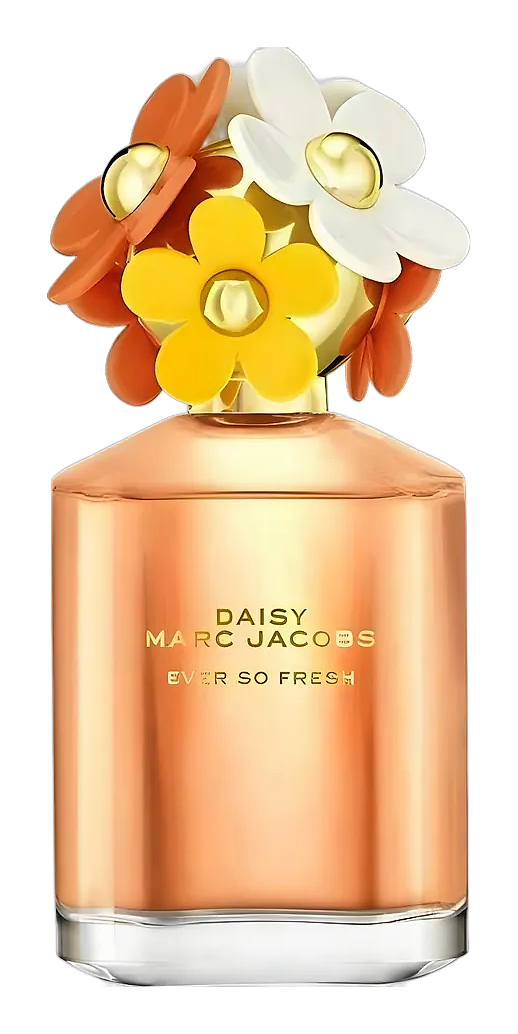
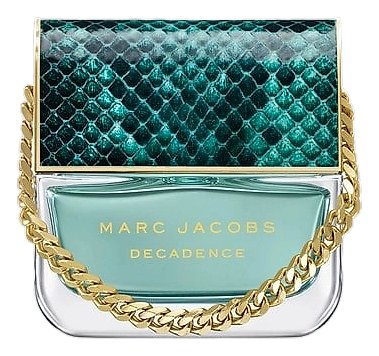
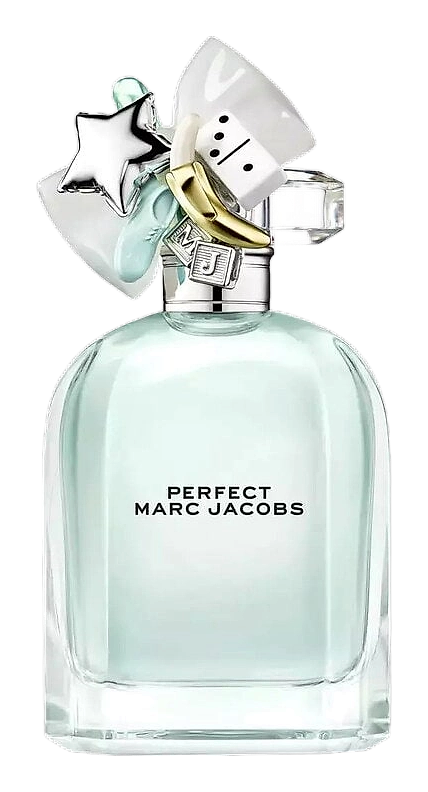
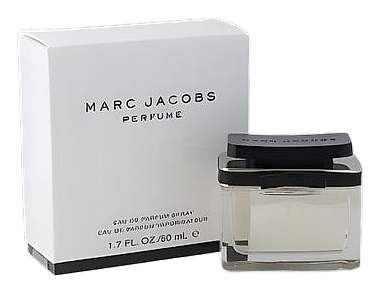
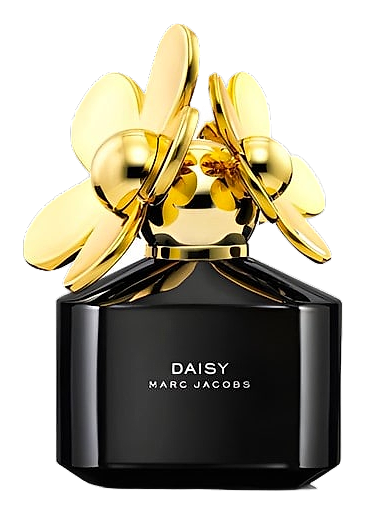
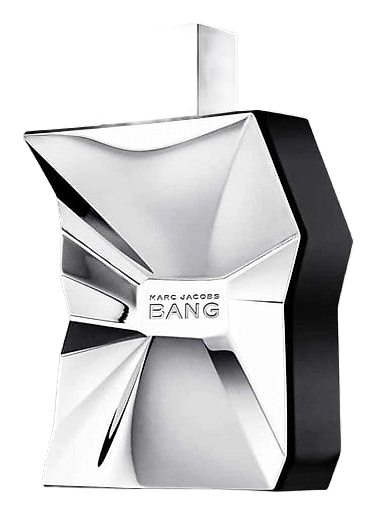
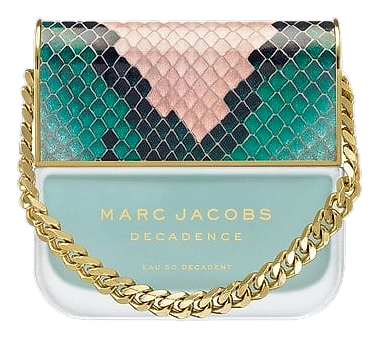
Marc JacobsMarc Jacobs fragrances, produced under license by Coty, launched in 2001 with Marc Jacobs for Women, followed by a companion men's scent in 2002. The brand has since built an extensive portfolio of fragrances anchored by signature lines including Daisy (2007), Lola (2009), Decadence (2015), and Perfect (2020). Daisy, named after Daisy Buchanan from F. Scott Fitzgerald's The Great Gatsby, quickly became a defining success for the brand, spawning numerous flankers and variations across multiple collections. The line's visual identity, with its oversized daisy cap atop a clean bottle, became one of the most recognizable silhouettes in contemporary perfumery. Decadence introduced a handbag-shaped bottle on a gold tasselled chain, a notably unconventional vessel for fragrance at the time of its launch. The brand has collaborated with a broad roster of perfumers over the years, including Annie Buzantian, Ann Gottlieb, Steve DeMercado, Loc Dong, Alberto Morillas, and Calice Becker, among many others. Marc Jacobs fragrances are available at major department stores worldwide and online.
The Creator
Steve DeMercadoSteve favors a clean, linear structure that highlights a dominant theme while supporting it with subtle accents. He often starts with a strong heart—rose, jasmine, or a citrus burst—and builds a supportive base of woods, amber, or musk that adds depth without overwhelming the…