The Story
Why it exists.
The beginning
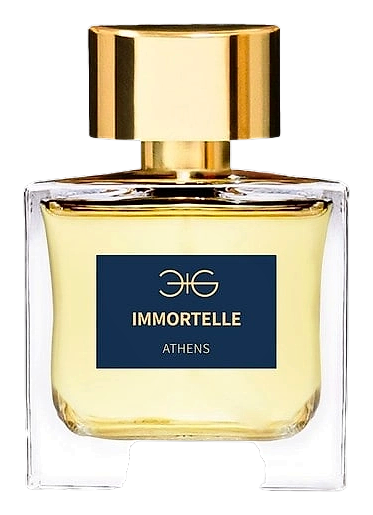
Caroline Dumur designed Immortelle as part of Chloé's Atelier des Fleurs collection, a line built around the idea that a single flower can carry an entire fragrance. The immortelle, also known as helichrysum or the everlasting flower, has long been valued in perfumery for its tenacity and its unusual scent: part dried herb, part warm honey, part something harder to name. Dumur wanted to capture that complexity rather than temper it, building a composition that lets the flower speak first and longest.
What makes immortelle unusual in perfumery is how it refuses easy categorization. It sits between aromatic and floral, between honeyed sweetness and dusty herbalism. The combination with tuberose absolute and jasmine absolute amplifies the floral dimension, but the immortelle keeps pulling back toward earth and warmth. Salt in the opening reinforces the coastal association, the smell of sea air meeting warm stone, while sandalwood and tonka bean absolute settle into a base that feels less like perfume and more like skin remembered.
The evolution
The first minutes belong to salt and citrus: bergamot and lemon cutting through with cool clarity. Within ten minutes, the immortelle pushes through, that warm, honeyed, slightly curry-like note that defines the fragrance's character. The tuberose and jasmine follow, but they don't dominate. They frame the immortelle, adding softness to its edge. Three hours in, the composition has settled into something warmer and more intimate: sandalwood, vanilla, tonka bean. The drydown is close to the skin, lasting another four to six hours depending on skin chemistry. On fabric, it lingers longer, a quiet presence rather than a statement.
Cultural impact
The immortelle flower has been a fixture in Mediterranean folk medicine and cosmetics for centuries, prized for its anti-inflammatory and wound-healing properties. The 2023 Immortelle launch brought this botanical into contemporary fragrance discourse, leveraging modern extraction techniques that capture the flower's full complexity, honey, herbs, and a subtle curry-like nuance once difficult to isolate at fragrance concentration. The broader shift toward single-botanical compositions reflects industry movement toward transparency and botanical authenticity, with Immortelle serving as an example of how heritage ingredients bridge traditional herbal practices and modern luxury positioning.