The Story
Why it exists.
The beginning
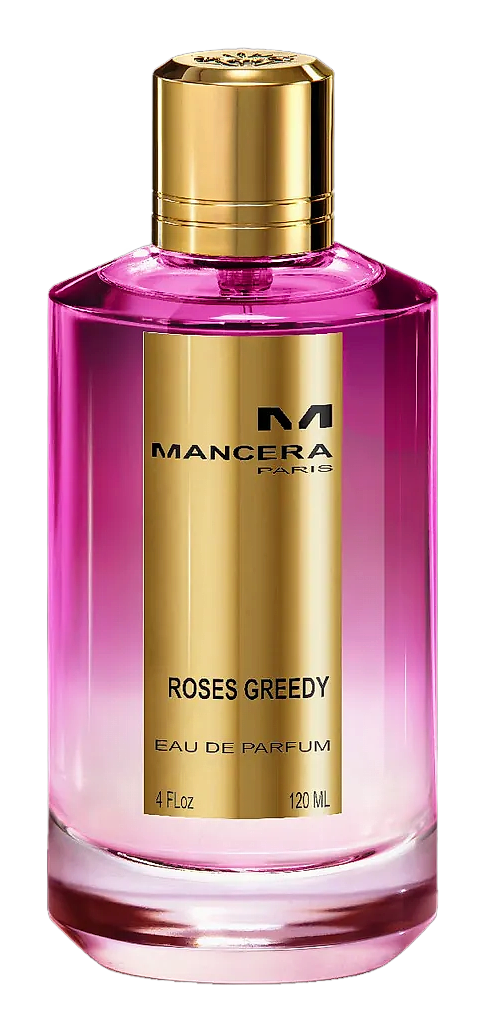
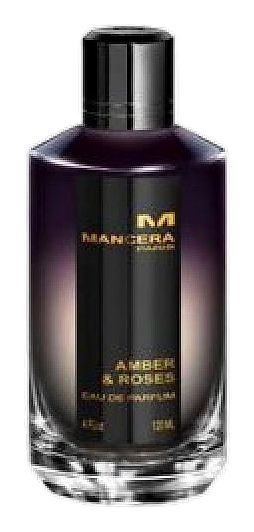
Pierre Montale designed Amber & Roses for the 2014 Pitti Fragranze expo, one of three new releases in Mancera's Wild Desire collection. The name hints at the olfactory landscape he was building toward, amber's warmth anchoring a rose that refuses to be decorative. It's a Mancera fragrance through and through: powerful, unapologetic, and designed to be noticed from across a room.
What makes this composition interesting is the ambergris in the heart. Most rose fragrances lean on woody or musky bases. Ambergris brings something saltier, more animal, yet paradoxically clean. Combined with labdanum's resinous Mediterranean character, the rose doesn't sit on top of the composition, it threads through it, supported by amber's honeyed warmth and white musk's skin-close softness. The result is a rose that breathes rather than cloys.
The evolution
The opening is bright, almost icy, a flash of Sicilian lemon that reads citrus-first for the first ten minutes. Then the rose arrives, and it doesn't tiptoe. It opens fully, bold and warm, with ambergris lending a slightly salty undertone that keeps the floral from going too sweet. By the second hour, the labdanum begins to assert itself, bringing a dry, resinous edge that pushes the rose toward something more complex. The white musk doesn't disappear, it settles into the skin, holding everything close. By hour four, you're in the drydown: amber and labdanum intertwined, the rose now a memory baked into the base, white musk wrapping it all in something soft and lasting. On most skin types, this fragrance stays present for eight to ten hours. On fabric, it lingers overnight.
Cultural impact
Amber & Roses occupies a specific space in the Mancera lineup: accessible but not subtle, Oriental without being heavy. It's the fragrance for someone who wants the Mancera experience, strong sillage, all-day longevity, without committing to oud or leather. The rose-and-amber pairing gives it a warmth that reads year-round, though it excels in cooler months when that resinous labdanum base has room to breathe.