The Story
Why it exists.
The beginning
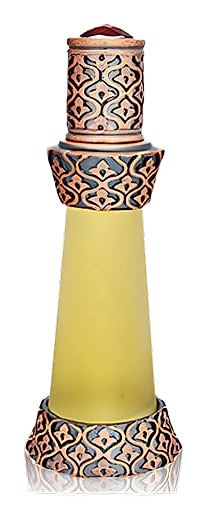
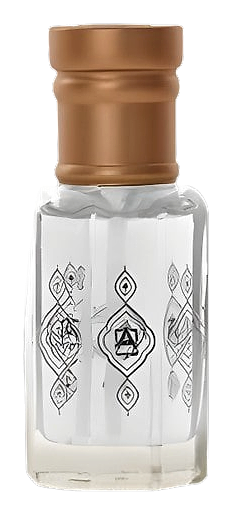
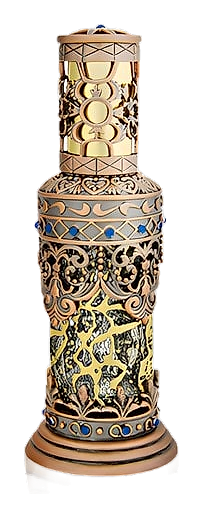
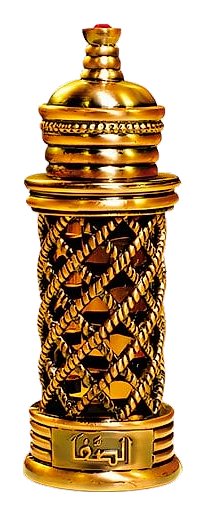
Al Safa arrived in 2007 from a house with a long-standing connection to fragrance composition. The label is credited to Majid Muzaffar Iterji. Its identity is built around rose, warmth, and spice, with a composition that places the flower at the center and supports it from underneath. Majid Muzaffar Iterji holds the rose, wraps it in heat, and lets it sit close to the body. The result reads as an Eastern floral for men, warm without heaviness, familiar without being plain. The rose carries a soft, rounded sweetness, while spice adds a dry edge that keeps it from turning too smooth or too sweet. Musk gives the whole thing a soft landing, smoothing the transitions between the brighter spice and the deeper floral heart. Nothing shouts about how it was made. That's the point.
What makes Al Safa interesting is the triangle it builds from just three ingredients: spicy notes, rose, and musk. Rose on its own can read soft, almost decorative. Rose under heat reads differently. The spice gives the flower a pulse, something like warmth rising through a still room, while the musk keeps the whole thing anchored to skin. Rose, spice, and musk sit in close conversation, each one changing how the others register. The rose gains a little definition from the spice and a little softness from the musk, while the musk keeps the floral from floating free of the composition.
The evolution
On skin, Al Safa moves through a series of small adjustments rather than a single dramatic arc. The opening reads warm and lightly spiced, with a bright edge that catches attention before settling into something more rounded. Rose follows, its familiar sweetness present but tempered, kept in check by the drier spice around it. As the hours pass, the sharper edges soften and the composition reads warmer, more unified, the three notes blending into a single warm floral presence. Musk contributes a change in texture, a clean and smooth quality that clings to a shirt collar and skin. Through the middle stretch the rose and spice share the work, neither quite winning. Later, the rose recedes and the musk remains, leaving a soft, warm trace, faint and close, long after the sharper opening has been forgotten.
Cultural impact
Al Safa belongs to a house known for fragrance composition, and this release takes a quieter route than the heavier oud and amber styles often associated with Eastern perfumery. Where those scents fill a space with resin and smoke, Al Safa works in a register of rose, spice, and musk, closer to the skin and more restrained in effect. It suits the person who inherited their taste rather than bought it, someone who reaches for a scent that behaves like a well-kept habit rather than a statement. The appeal lies in closeness and warmth, in the way the rose is held in check by spice and softened by musk.