The Story
Why it exists.
The beginning
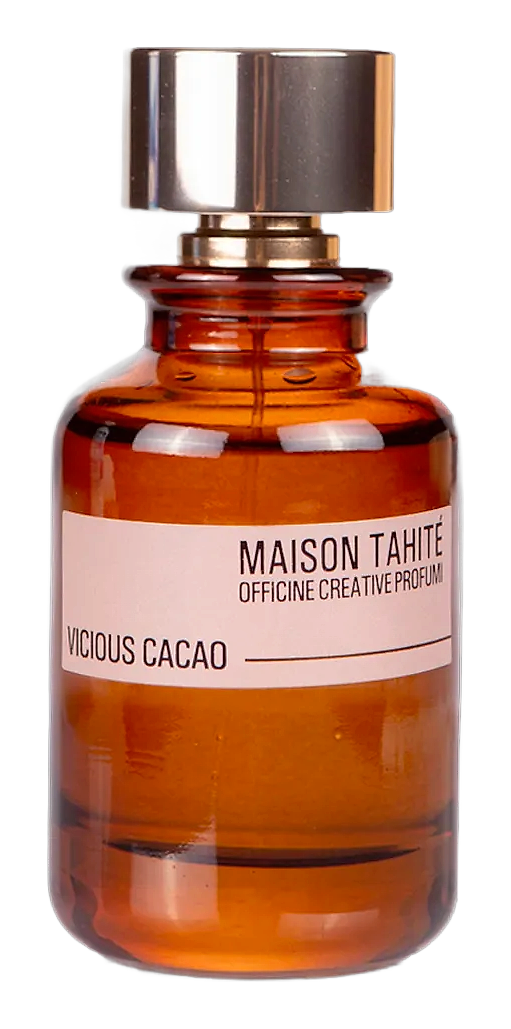
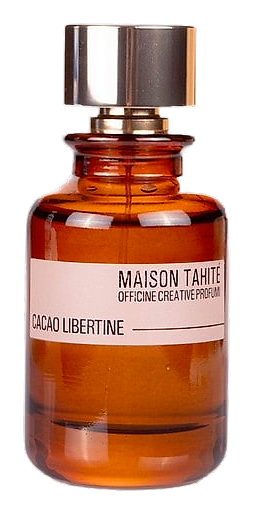
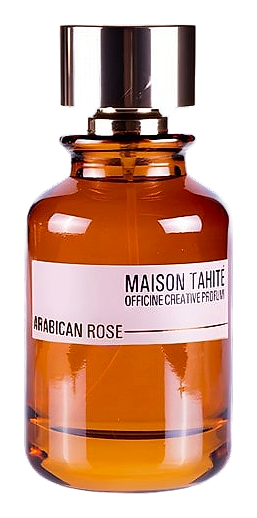
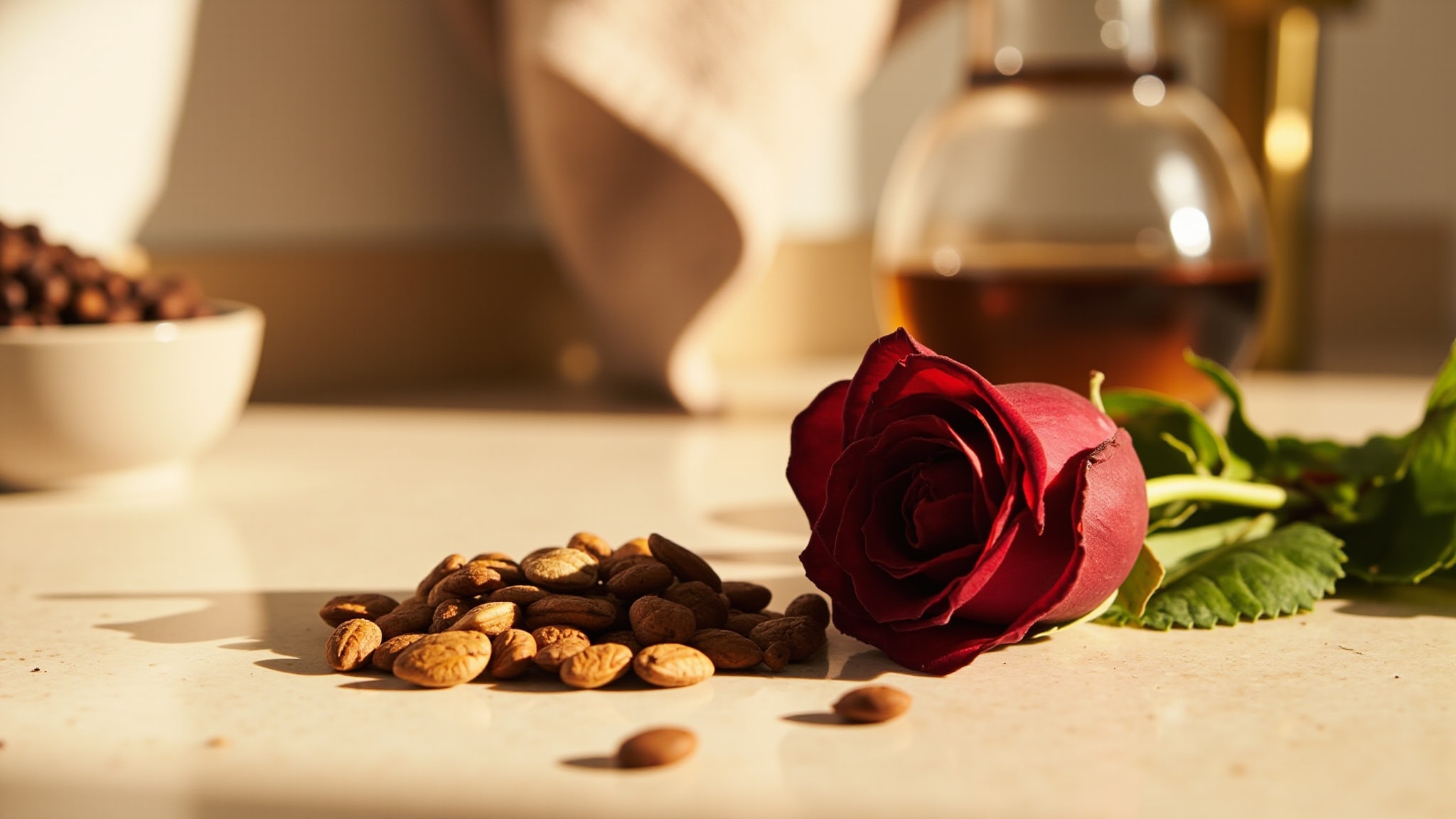
Arabican Rose arrived in 2024, designed by Marie Duchêne for Maison Tahité. The concept was simple in theory, difficult in practice: marry the house's signature coffee note with a rose that could stand up to it. Not a rose that smelled like coffee, a rose that felt like it had coffee somewhere beneath the surface. The name itself nods to the Arabica bean, but this isn't a coffee fragrance wearing rose. It's a rose fragrance that learned something from coffee.
What makes this composition work is the layering architecture. Rose oil anchors both the opening and the heart, it's the protagonist, not a supporting note. Coffee appears only in the base, where it acts as a warm, roasted undertone rather than a statement. The almond and raspberry in the top serve as a bridge: they give the rose something sweet and slightly tart to play against, which prevents it from reading as flat or one-dimensional. It's the kind of structural thinking that separates a well-made rose from one that simply smells nice for an hour and then disappears.
The evolution
The first hour is pure rose oil with almond sweetness, bright, slightly heady, unmistakably fruity from the raspberry. That top feels like rose jam with crushed almonds, which is exactly the intention. As the opening notes fade, the heart holds: the rose deepens rather than transforms, and around hour four the coffee finally becomes perceptible as a warm, roasted presence on the periphery. Not a jolt. A settling. The base arrives eventually, coffee, patchouli, sandalwood, vanilla, creating a warm, woody foundation that lingers. On most skin, expect 6-8 hours of wear. The sillage stays moderate throughout, intimate rather than announced.
Cultural impact
Arabican Rose arrives at a moment when the specialty coffee and fine fragrance industries are actively borrowing from each other's playbooks. The 2024 launch reflects a broader cultural comfort with hybrid scent profiles, where rose and coffee coexist without irony. Maison Tahité, founded in Rome in 2018, has built its identity on taking pantry staples and repositioning them as luxury materials, a philosophy that mirrors the third-wave coffee movement's treatment of beans as craft products. This fragrance extends that logic by making rose the protagonist rather than coffee, inverting the expected hierarchy and asking wearers to reconsider which ingredient carries authority.