
The Story
Why it exists.
The beginning
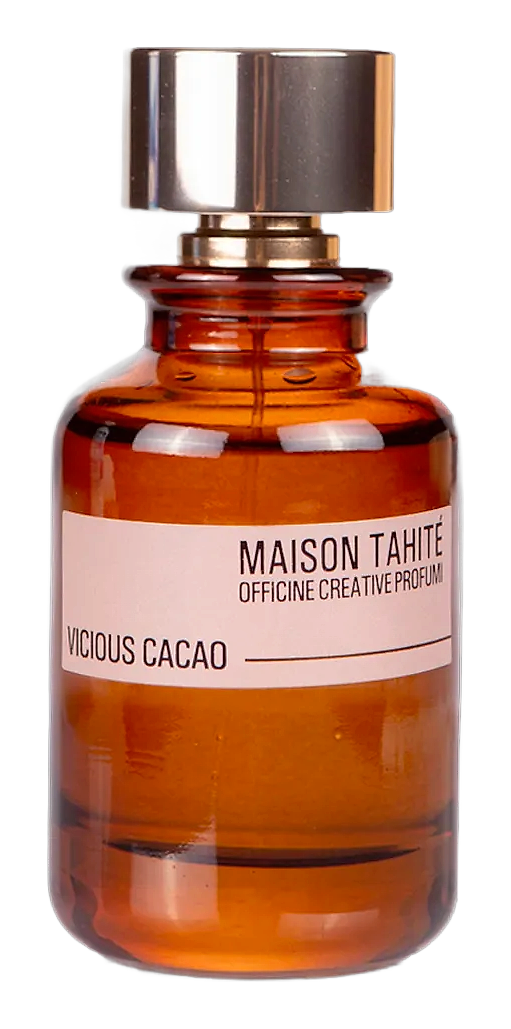
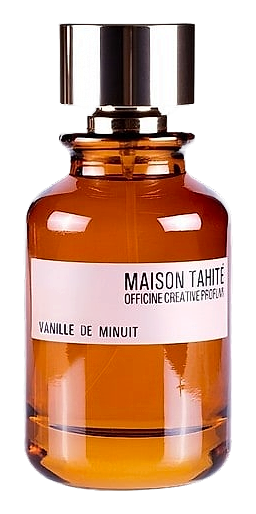
Vanille de Minuit arrived in 2024 from Maison Tahité, the Rome-based house founded on a single premise: isolate a raw material and let it speak. Marie Duchêne built this around vanilla, not the kitchen-counter kind, but the midnight kind. The name says it plainly. Leather and sandalwood open the composition, grounding it immediately. Saffron threads through the heart alongside the vanilla, adding a dimension that resists the obvious. Benzoin closes the circle, resinous and deep. The result feels familiar yet startlingly new, the kind of scent that makes you stop and wonder why no one did this sooner.
What makes Vanille de Minuit work is the way it refuses to separate what's warm from what's sharp. Leather and vanilla could be predictable together, the stereotype of soft, sweet, comforting. Instead, the saffron and nagarmotha create a counterweight that keeps the composition from ever settling into something safe. The vanilla doesn't hide behind the leather; it lives alongside it, two materials that have no business being this compatible but somehow are. Benzoin in the base isn't an afterthought, it's the structural decision that lets the whole thing stay vertical for hours, close enough to skin but impossible to ignore.
The evolution
The opening announces itself with leather, not the clean, polished kind but the kind that's already been worn, already been lived in. Sandalwood follows almost immediately, adding a creaminess that softens the edge without diluting it. For the first thirty minutes, the composition feels like something borrowed, something that belongs to someone who knows their way around a fragrance. Then the vanilla arrives. Not all at once, it seeps in, slides under the leather and sandalwood, and suddenly the whole thing shifts from sharp to warm without ever losing its edge. The saffron becomes more noticeable as the top notes recede, adding a slight medicinal quality that keeps the sweetness honest. By hour two, the drydown is all benzoin and vanilla, resinous, warm, intimate. It stays close to skin rather than announcing itself. On fabric, the vanilla outlasts everything else, lingering for hours as a quiet whisper rather than a statement. The next morning, what's left is the memory of warmth, not the memory of performance.
Cultural impact
Vanille de Minuit arrives in a moment when the fragrance world has grown tired of safe bets and predictable gourmand interpretations. Maison Tahité has built its identity on the idea that a single raw material can carry a full narrative, in this case, vanilla at midnight, stripped of its daytime associations. The composition sits at the intersection of leather and sweet, two territories that have been explored separately but rarely with this kind of mutual respect. Wearers describe it as the scent of someone who walks into a room and doesn't need to announce themselves, quiet confidence, earned rather than performed. The fragrance finds its audience among those who already know what they want and aren't looking for permission.