

The Story
Why it exists.
The beginning
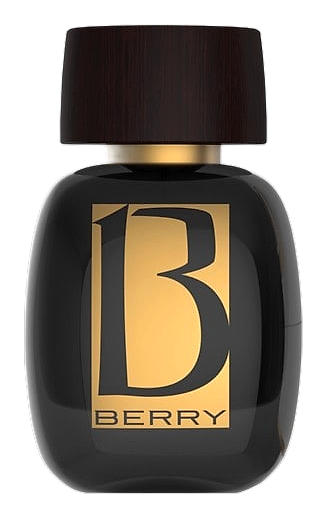
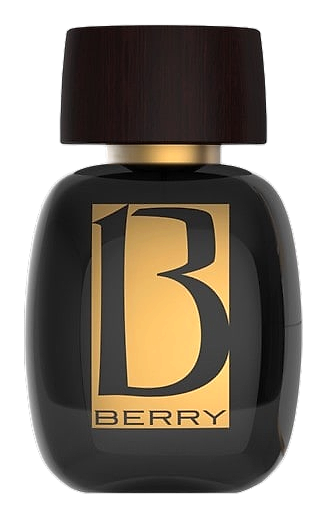
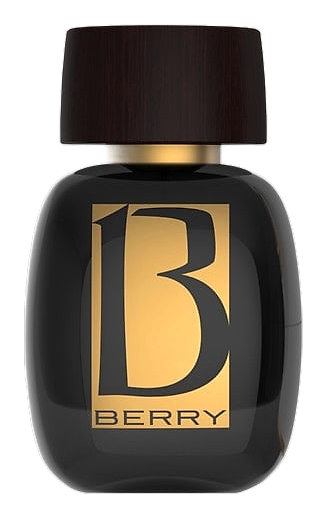
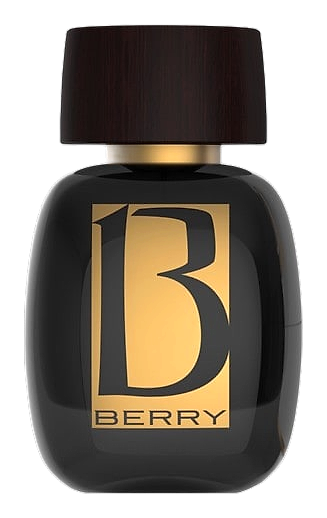
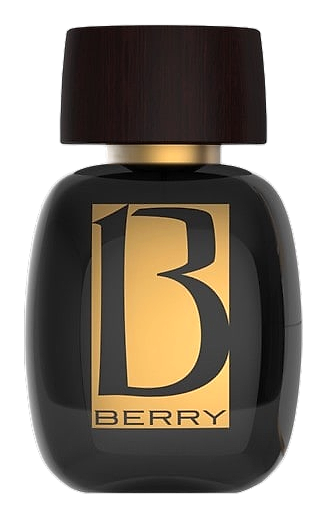
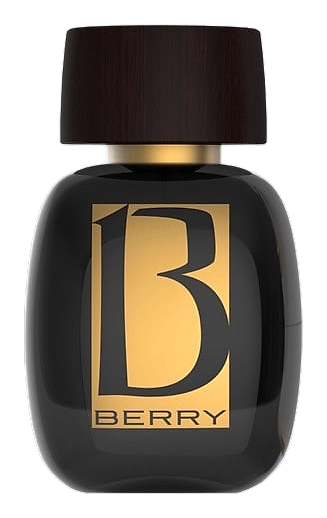
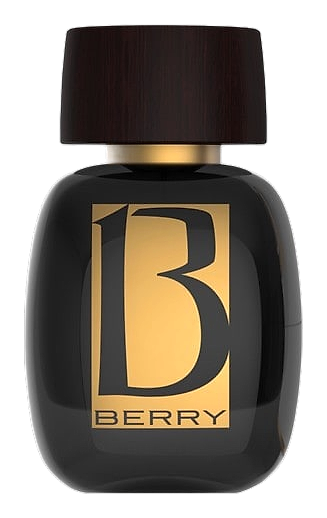
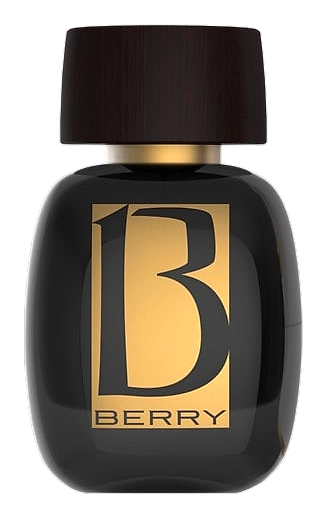
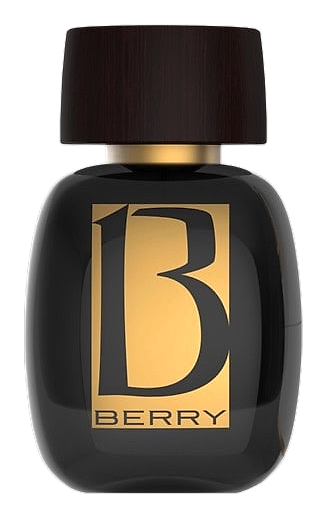
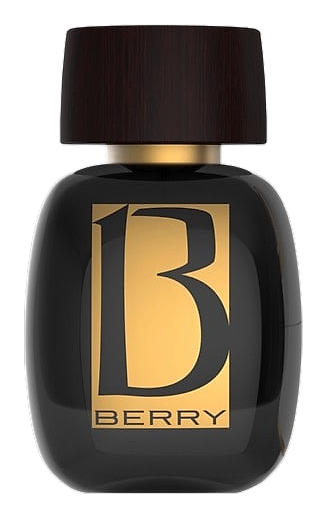
The fragrance called Ambre 35 defies expectations. There is no ambergris in the formula, yet the name remains entirely appropriate. It points instead to the amber color of the bottle and the warm, honeyed tone of the resins that define the composition. The perfumer chose to rebuild the feeling of amber from benzoin, labdanum, and opoponax, materials that offer a different kind of warmth. This is a deliberate provocation, an invitation to reconsider what amber means when you strip away the ingredient everyone expects. The number 35 belongs to the house's address, a detail that grounds the fragrance in a specific place without spelling out its significance.
Opoponax and Peru balsam sit at the top, two resins that don't behave like top notes typically should. Instead of volatilizing in minutes, they establish a warm, honeyed foundation that persists. The heart pairs patchouli with rose, an unusual combination that keeps the florals grounded and the earthiness from becoming heavy. At the base, the interplay of benzoin and labdanum creates a smoky, almost incensatory quality that elevates the entire structure beyond simple sweetness. The vanilla and musk don't sweeten so much as soften, rounding edges, adding skin-warmth to what could otherwise read as austere.
The evolution
The opening of Ambre 35 announces itself immediately, warm resins with no hesitation. The opoponax is honeyed, the Peru balsam brings a vanilla-adjacent sweetness that sets the tone. The sillage is present and noticeable without being overpowering, close enough to draw attention without demanding it. As the composition develops, the rose emerges subtly, softening the resins just enough to prevent heaviness. The patchouli underneath starts to deepen, adding earthiness to the balsamic sweetness. The transition brings a shift into smokier territory as the composition moves forward. Benzoin and labdanum take over, creating something darker and more resinous. The vanilla arrives quietly, not as dessert but as a dry, warm wood note. The drydown stretches for hours, this is when the fragrance earns its name. Not amber by material, but by the golden, warm glow it leaves on skin.
Cultural impact
In the landscape of amber fragrances, Ambre 35 asks an uncomfortable question: what if amber is a feeling, not an ingredient? By omitting ambergris entirely and building warmth from resins instead, the fragrance offers a different interpretation of what amber can be. The moderate sillage suits those who prefer intimacy to announcement, a fragrance that reveals itself gradually rather than announcing itself at the door. This approach appeals to wearers looking for something that feels grounded and substantive rather than synthetic or performative.
The House
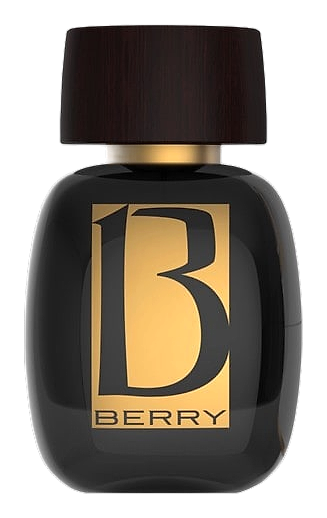
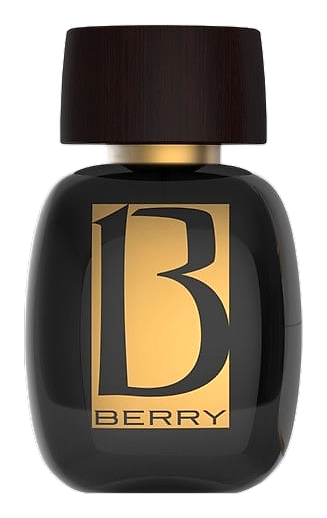
Maison de Parfum BerryMaison de Parfum Berry is a French fragrance house rooted in Normandy, co-founded by Cécile Vialla and Charles Berry. The house emerged in 2013 with its debut scent Eblouissants Reflets, establishing its presence in the artisan perfume landscape. By 2017, the brand had expanded into a full collection of eleven distinct fragrances, including Cathédrale, Mystique, Ambre 35, Coeur Noir, Violette Rebelle, Adouala, Enfance, Conquérante, Kastellorizo, and Portrait. The house draws creative inspiration from the cultural and sensory heritage of Normandy, translating regional traditions into olfactory narratives. Based in the Cosmetic Valley region, Maison de Parfum Berry operates within one of France's historic perfume manufacturing corridors.
The Creator
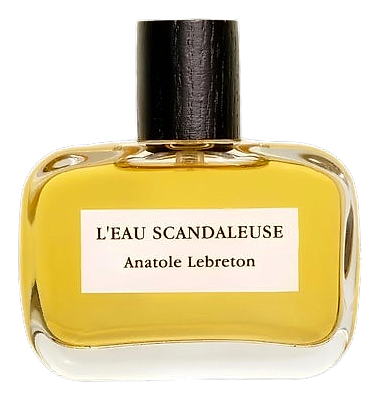
Anatole LebretonLebreton grounds his work in classical perfumery structures while remaining curious about where tradition can bend. He has cited the rose-patchouli accord as a reference point he returns to, but twists classical materials with modern additions.