The Story
Why it exists.
The beginning
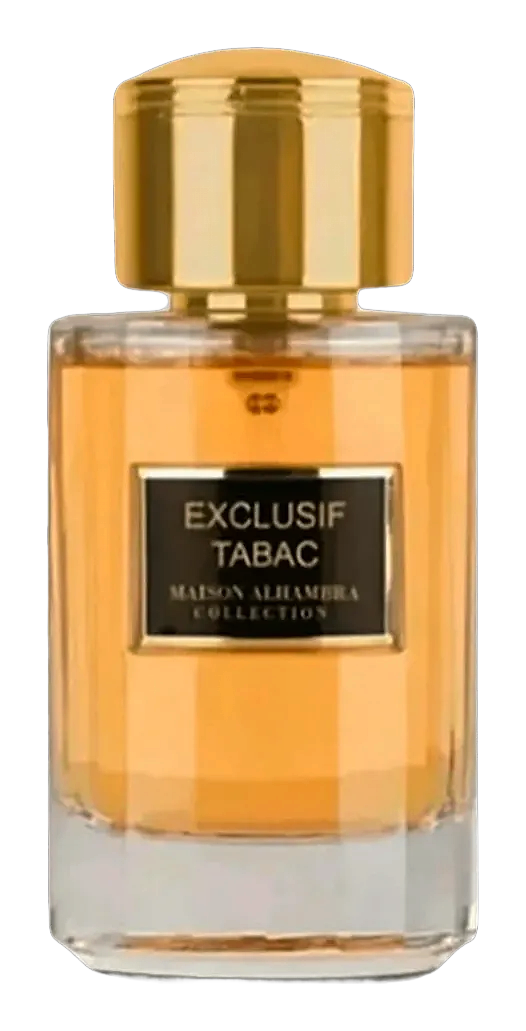
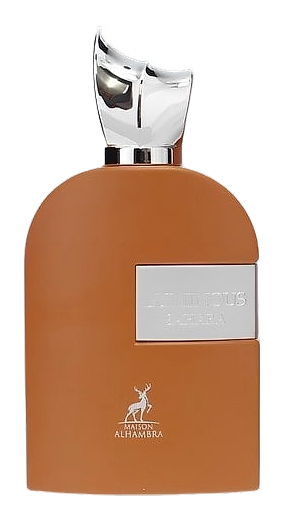
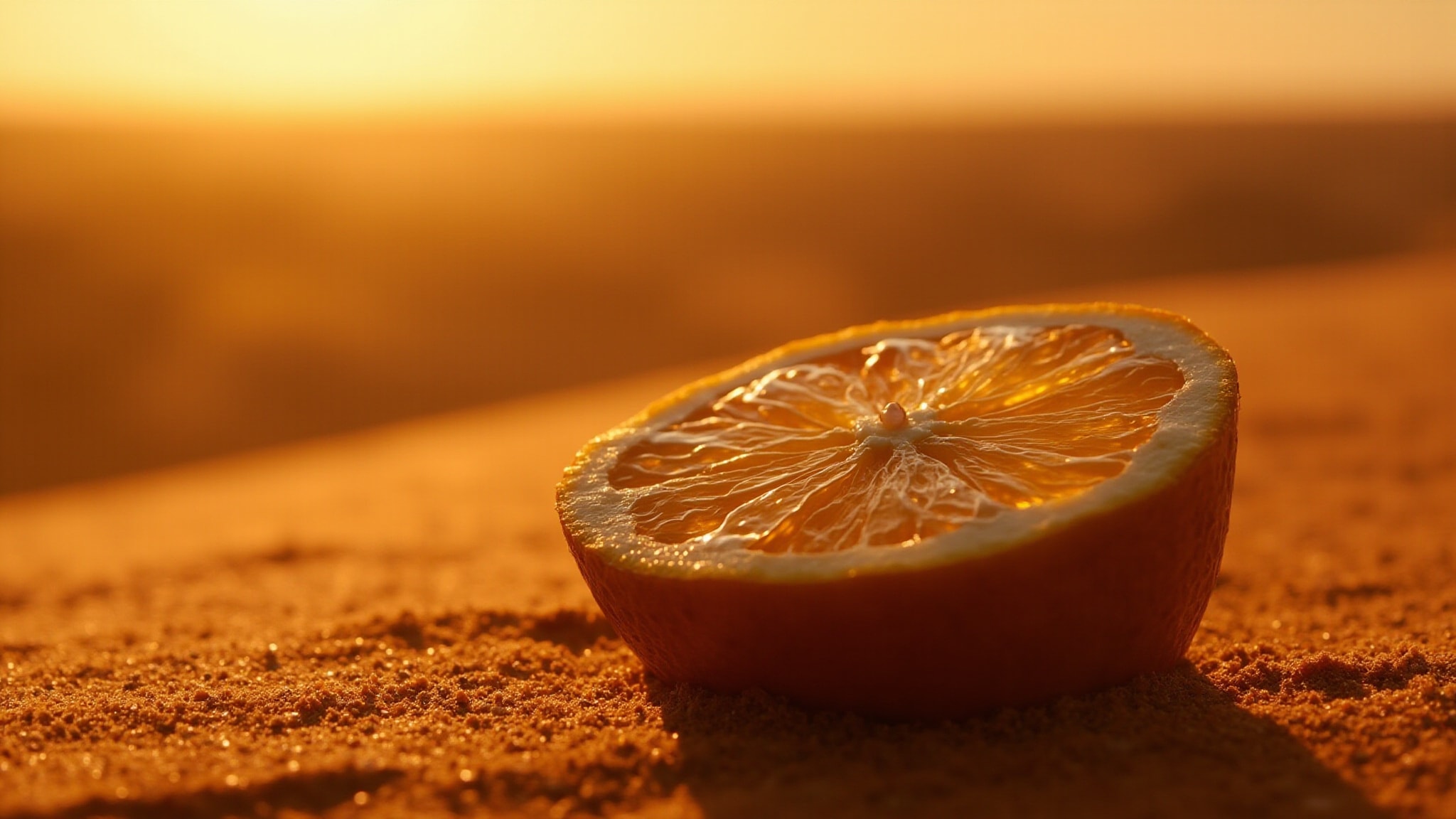
Luminous Sahara takes its name from the world's most iconic desert, and the quality of light that defines it. The Sahara isn't just heat. It's the hour when the sun hangs low and the sand catches fire, transforming pale dunes into something luminous and golden. That's the tension at the heart of this fragrance: brightness against warmth, the sharp citrus opening against the deep amber drydown. Launched in 2025, Luminous Sahara belongs to Maison Alhambra's tradition of accessible luxury, sophisticated compositions that don't require extraordinary expenditure. The house draws on the four-decade heritage of its parent company Lattafa Perfumes, founded in the UAE in 1980, translating that production expertise into fragrances that tell stories. This one tells the story of a place where light and heat become indistinguishable.
The composition is built around a deliberate opposition: bright, sparkling top notes against a deep, warm base. Orange blossom and bergamot give the opening its luminous quality, the smell of something catching light. But beneath that brightness, cardamom and cinnamon introduce an unexpected warmth, a heat that doesn't announce itself so much as it waits. The heart centers on bourbon vanilla, a material that carries both sweetness and depth. Elemi, a resinous, slightly balsamic note, adds dimension without weight, preventing the vanilla from becoming gourmand or one-dimensional. The result is a fragrance that feels neither purely fresh nor purely warm, but caught between states.
The evolution
The opening arrives bright and aromatic, bergamot and orange blossom hitting first with a sparkling quality that reads as luminous, not sharp. Cardamom and cinnamon arrive within minutes, settling beneath the citrus like a pulse of warmth. This phase lasts roughly thirty minutes before the bergamot begins to recede. The heart phase belongs to the bourbon vanilla. It's here that the fragrance shifts, the brightness fades and something creamier, deeper, takes over. Elemi adds a faint resinous quality, a whisper of something balsamic that keeps the vanilla from becoming simply sweet. The transition to the base happens gradually, over one to two hours. Praline and candied almond emerge first, giving the sweetness a more tangible quality, this is confection without lightness. Then the woody-amber base takes over: musk, ambroxan, and guaiac wood. The ambroxan extends the scent quietly, a soft warmth that lingers close to the skin. On fabric, the praline and tonka bean notes persist into the following day, faintly sweet against whatever the fabric has absorbed.
Cultural impact
The scent draws from North African perfumery traditions that blend floral and warm spice notes, reflecting a long history of using orange blossom in Moroccan and Algerian fragrance. Cardamom and cinnamon echo the ancient spice trade routes that shaped the region's culinary and aromatic heritage. Modern Middle Eastern perfumery often combines these elements to create scents that feel both timeless and contemporary, appealing to those who appreciate rich, layered fragrances.