The Story
Why it exists.
The beginning
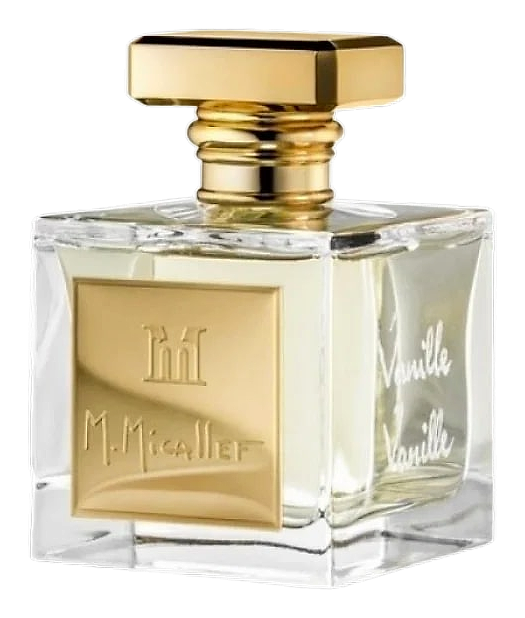
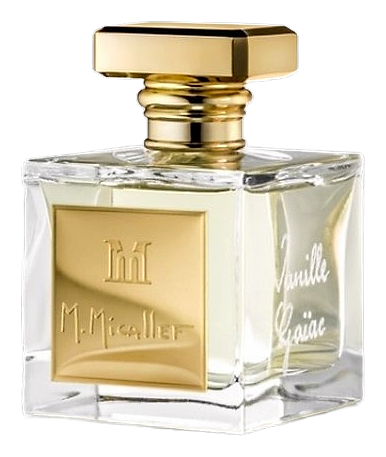
The name says everything. Vanilla and guaiac wood, two materials that could fight or dance. M. Micallef chose the dance. The 2017 release positions itself at the intersection of gourmand warmth and woody depth, where the sweetness of bourbon vanilla meets the smoky, slightly tar-like character of guaiac wood without either drowning the other. The perfumer understood that vanilla alone can flatten. And that guaiac wood alone can tip medicinal. So the bridge had to be deliberate, cloves as the structural choice, bringing warmth that reads almost as a spice accord rather than a single note. Bergamot to lift the opening, prevent it from settling heavy too soon. A heart of jasmine and white leather to add layers most vanilla-forward compositions skip entirely. White leather isn't a common heart note, it requires confidence in the base to hold it. Here, the base earns it.
What makes the composition distinctive is the refusal to let the vanilla dominate. Bourbon vanilla and praline could easily have become a dessert linearity, sweet, one-dimensional, forgettable after an hour. Instead, the guaiac wood and vetiver work as a corrective, pulling the sweetness back toward earth before it can float away entirely. The white leather is the surprise. Not the harsh chrome leather of industrial fragrances, but something softer, the leather of a well-worn jacket, picked up throughout the day and not noticed until someone stands close enough to feel the warmth. Musk bridges the leather and vanilla, giving the drydown a skin-like quality that turns the fragrance personal.
The evolution
The opening announces itself in two directions at once. The clove arrives sharp and full of intent, while the bergamot cuts across it, brief, citrus-bright, almost green. Together they create a spark that lasts maybe twenty minutes before both begin to recede and the guaiac wood takes its position. The heart is where Vanille Gaiac earns its name. Guaiac wood doesn't enter quietly. It brings a smoky, resinous quality that pushes against the jasmine, which itself refuses to be merely decorative. The white leather emerges slowly, adding texture to what could have been a straightforward woody-floral passage. This is the longest phase, the one that defines the wear. The base is the reveal. Bourbon vanilla and praline arrive together, sweet and warm, but the vetiver and musk don't allow them to take over. The vanilla deepens as it settles, becoming almost resinous, more vanilla absolute than vanilla sugar. Vetiver keeps the earth present underneath. The drydown on skin the next morning: warm, intimate, still present. Not projecting. Just there.
Cultural impact
Vanille Gaiac occupies a specific position in the niche market: the woody-gourmand crossover that rewards patience. The clove opening divides opinion, some find it too sharp for the first minutes, but the drydown is where the fragrance earns its reputation. Collectors who gravitate toward it tend to describe it as the scent of someone who chose carefully and didn't need to explain themselves.