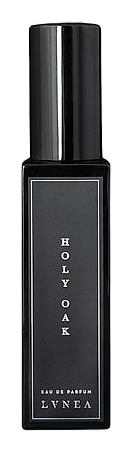

The Story
Why it exists.
The beginning
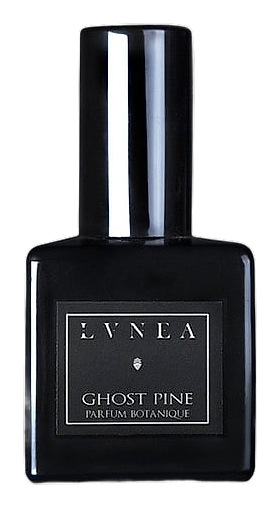
Holy Oak came from a single question: what does cedar smell like when it hasn't dried out yet? The Montreal perfumer behind Lvnea has built her atelier on that kind of material honesty. She works with natural extracts, and that constraint shapes everything. When the brief is 'damp oakwood and dry cedar,' you can't fake the contrast. You have to find materials that actually hold both states at once. The mineral-earth wetness that opens the composition carries the scent of rain on dry earth, while galbanum adds a green, slightly bitter edge that echoes crushed leaves after rainfall. Virginia cedar follows, crisp and waxy, its aromatic woodiness cutting through the dampness and adding structure.
Most cedar fragrances lead with warmth. Holy Oak flips that. The petrichor and galbanum opening is genuinely unusual, it's the smell of rain hitting dry wood, that mineral-green moment before anything sweet or resinous arrives. The rose absolute in the heart doesn't read as floral in the traditional sense. Paired with Somalian frankincense, it becomes something wilder, almost green-edged. Oakmoss isn't decorative here. It's what keeps the drydown honest, that damp, earthy quality that makes the cedarwood feel like something that actually grew rather than something that was made.
The evolution
Holy Oak opens wet. Petrichor arrives first, that sharp mineral freshness of rain on dry earth, immediately followed by galbanum's green, slightly bitter edge. The combination doesn't smell like weather. It smells like forest. Virginia cedar arrives within minutes, crisp and waxy, cutting through the dampness and adding structure. The frankincense comes in quietly, resinous, slightly smoky, and the rose absolute gives it an unexpected wildness. Not sweet. Not romantic. Green. The base settles close to the skin, cedarwood and oakmoss together creating that smell of aged timber and moss-covered bark. The transition between these phases feels organic, each note emerging as the previous one softens rather than disappearing entirely. As the top notes fade, the woody foundation becomes more pronounced, revealing deeper layers of earthiness and resin.
Cultural impact
Holy Oak's all-natural composition and emphasis on real botanical materials create a fragrance that evokes place and memory rather than abstraction. The damp-cedar and oakmoss accord captures something elemental, the scent of standing in a forest after rainfall, where wet wood mingles with earth and resin. Rather than following trends, the fragrance offers a sensory experience rooted in the material honesty of its ingredients. Each note contributes to an atmosphere that feels both grounded and otherworldly, inviting the wearer into a ritualistic encounter with nature's darker, more mysterious dimensions.