
The Story
Why it exists.
The beginning
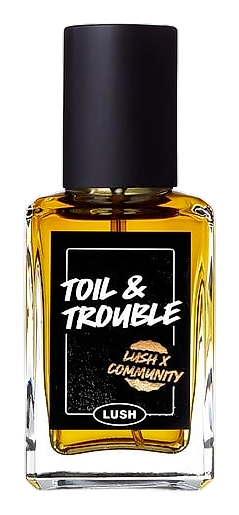
Toil & Trouble takes its name from the witches' cauldron in Shakespeare's Macbeth, where three sisters chant 'Double, double, toil and trouble, fire burn and cauldron bubble.' It's a fragrance named after a moment of transformation, where raw ingredients become something more potent together than they are apart. Perfumer Alina Gliwinska built this around the tension between bitter herbs and earthy base materials, creating a scent that feels like standing near a cauldron as the evening cools.
The four notes here each pull in a different direction. Sage is bitter and grassy, a top note that announces itself sharply before softening. Patchouli is the earth itself, dark and grounding, the kind of material that anchors everything around it. Orris root is the unexpected element, a powdery, almost medicinal iris note that appears midway through the drydown. Labdanum is the resinous warmth that holds the composition together, giving it the longevity that keeps it close to skin for hours after application.
The evolution
The opening arrives green and sharp. Sage announces itself first, that bitter grassy note cutting through like a herb garden at dusk. Within minutes, patchouli rises from beneath, damp earth and wood, settling the composition into something more grounded. The sage doesn't disappear, it softens, becomes part of the background rather than the foreground. The heart introduces orris root, a powdery iris quality that adds unexpected elegance. This is where the fragrance becomes interesting: the herbal and the earthy are having a conversation, and the orris is translating between them. Labdanum arrives last, warm and balsamic, resinous without being sweet. The drydown is close, skin-like, the kind of warmth that only someone standing very near would notice. On fabric, it lasts longer. On skin, count on four to six hours before it quiets into memory.
Cultural impact
Released in 2023 by Lush, Toil & Trouble sits within the brand's Perfume Library collection, fragrances designed as olfactory markers in the company's history. The herbal-earthy character appeals to those who want something that smells like actual ingredients rather than a constructed accord. It's the kind of fragrance that attracts people who've grown tired of sweetness and are looking for something with more edge, more earth, more honesty.