The Story
Why it exists.
The beginning
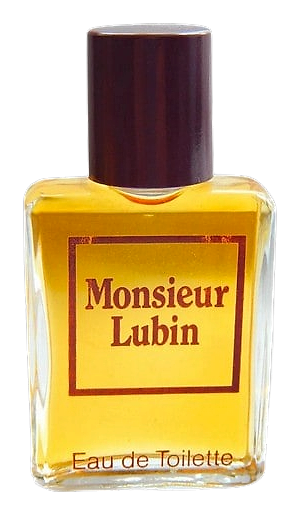
Monsieur Lubin arrived in 1955, landing in a decade that was rewriting what a masculine could be. The two pillars of the era, Pino Sylvestre and Chanel Pour Monsieur, both that year, both sharp and crisp and clean. Monsieur Lubin went the other direction entirely. Deep, sweet, brown, animalic. Where its peers cut like citrus and starch, this one draped. The name says it: this is a gentleman who has stopped trying to look like one and simply is one. It was Lubin's answer to a postwar moment that had started favoring the casual over the constructed, a scent that didn't announce itself with cologne brightness but settled in like furniture in a room you'd lived in for years. The brown register, the suede leather, the ambergris warmth underneath it all, none of that was accident.
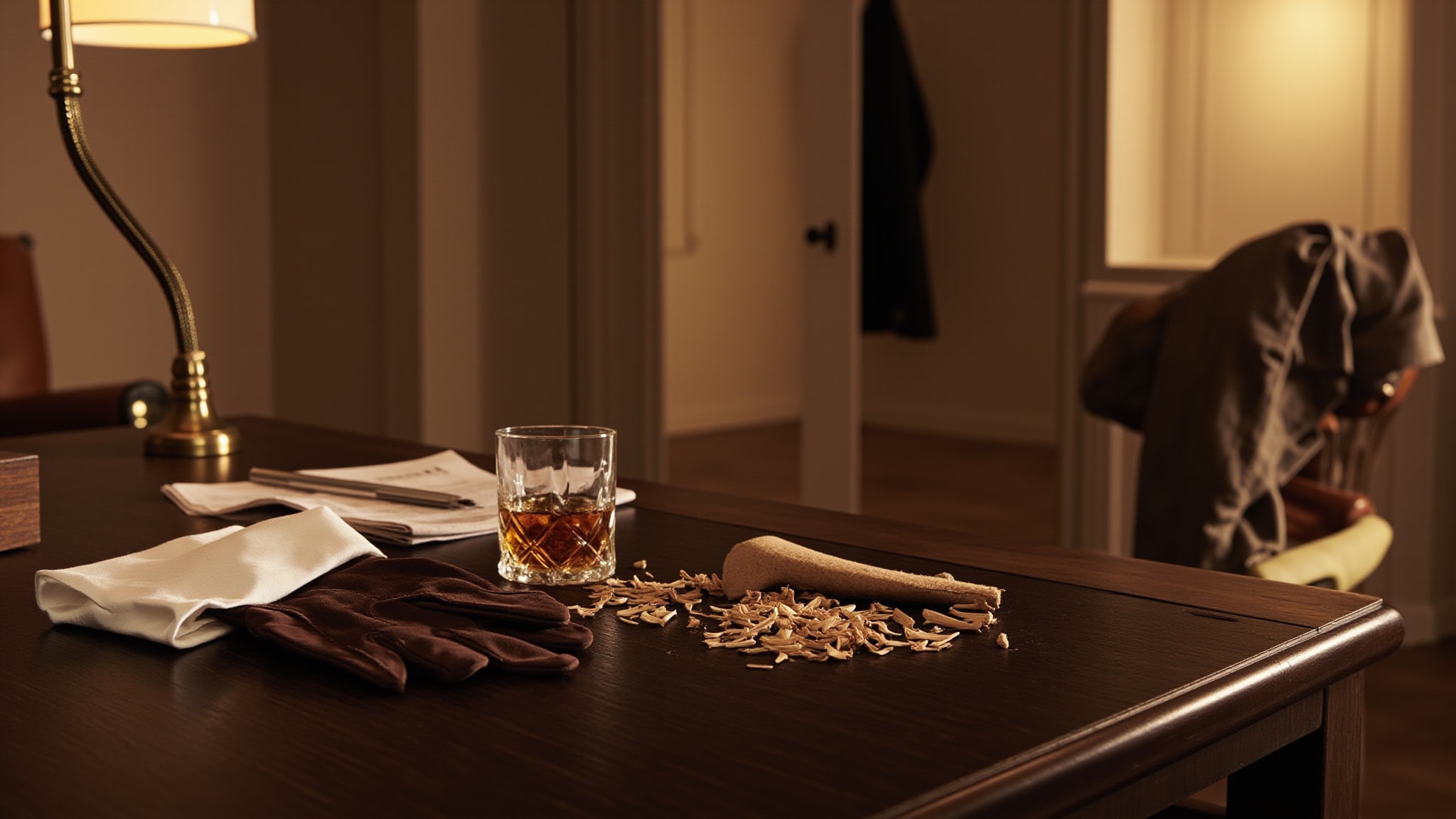
What makes the composition unusual is the absence. No lavender, no cologne sharpness, no mentholated barber-shop DNA. Instead, the pyramid starts where most fragrances finish: at the base. Sandalwood, ambergris, cedar, leather from the first spray. The citrus never dominates; it sparks, then ducks behind the woods. The leather reads as suede more than as motorcycle hide, and the ambergris gives the whole thing a sweet-animal edge that the era's sharper masculines would never have risked. It is a composition built on texture, not contrast.
The evolution
The first twenty minutes are a handshake: cedar and citrus, quick and almost polite, as if the fragrance wants you to think it's restrained. Then the sandalwood floods in, thick and creamy, and the ambergris rises underneath like warm skin. By the one-hour mark, the leather has settled into something between suede jacket and worn saddlebag, and the whole composition reads as one unified brown warmth. There is no dramatic shift, no surprise twist. That is the point. Around hour four, the citrus is gone entirely, and what remains is the drydown: sandalwood, ambergris, and a faint leather ghost that lingers on clothes the next morning. The drydown phase is where the fragrance reveals its truest character, a skin-close warmth that doesn't demand attention but rewards it.
Cultural impact
Monsieur Lubin arrived the same year as Chanel Pour Monsieur and Pino Sylvestre, two masculines that bookend the mid-1950s alongside it. Both were crisp, and this went the opposite direction: deep woods, leather, ambergris, a composition that smelled more like a gentleman's study than a modern apartment. Wearers tend to describe it as 'old school' in the best sense. The brown register and the animalic warmth mark it as something apart from its contemporaries, a fragrance that didn't chase the bright, soapy style that was reshaping masculine perfumery at the time.