The Story
Why it exists.
The beginning
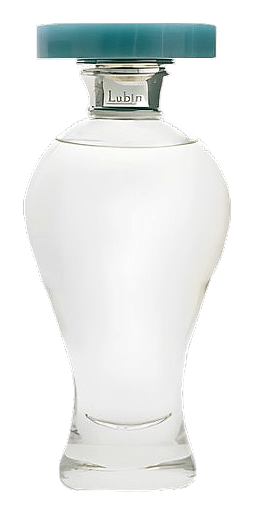
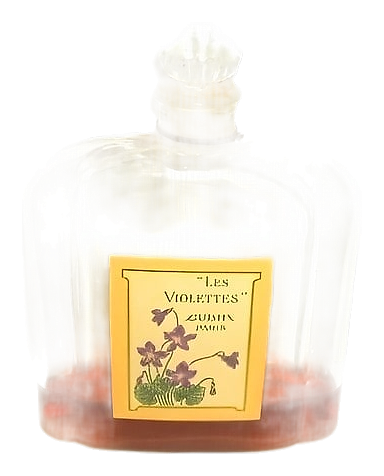
Released by Lubin in 1925, Les Violettes arrived as a focused floral composition built around a single botanical idea. The house, recognized as a founder of modern perfumery, had already established a language for nature-leaning work by the time this formula came together. This is a soliflore in the truest sense, centered on violet's powdery, tender, slightly sweet character. Everything else exists to let that one note breathe. The composition moves without apology, the way a well-made single-flower perfume does when it trusts the raw material completely. Violet here is treated as a complete story rather than a layer in something larger. There's a quiet confidence in how the formula commits to one idea and refuses to dilute it with competing accents.
A violet soliflore requires a specific kind of restraint. The note itself is tricky, leaning either too candy-sweet into ionone territory or too green and stem-like, too cold. What makes this composition interesting is how it navigates that narrow corridor. The powdery side dominates, the green kept just close enough to prevent the scent from turning into scented stationery. Violet has a long history in European perfumery, precisely because of this tension between leaf and sachet.
The evolution
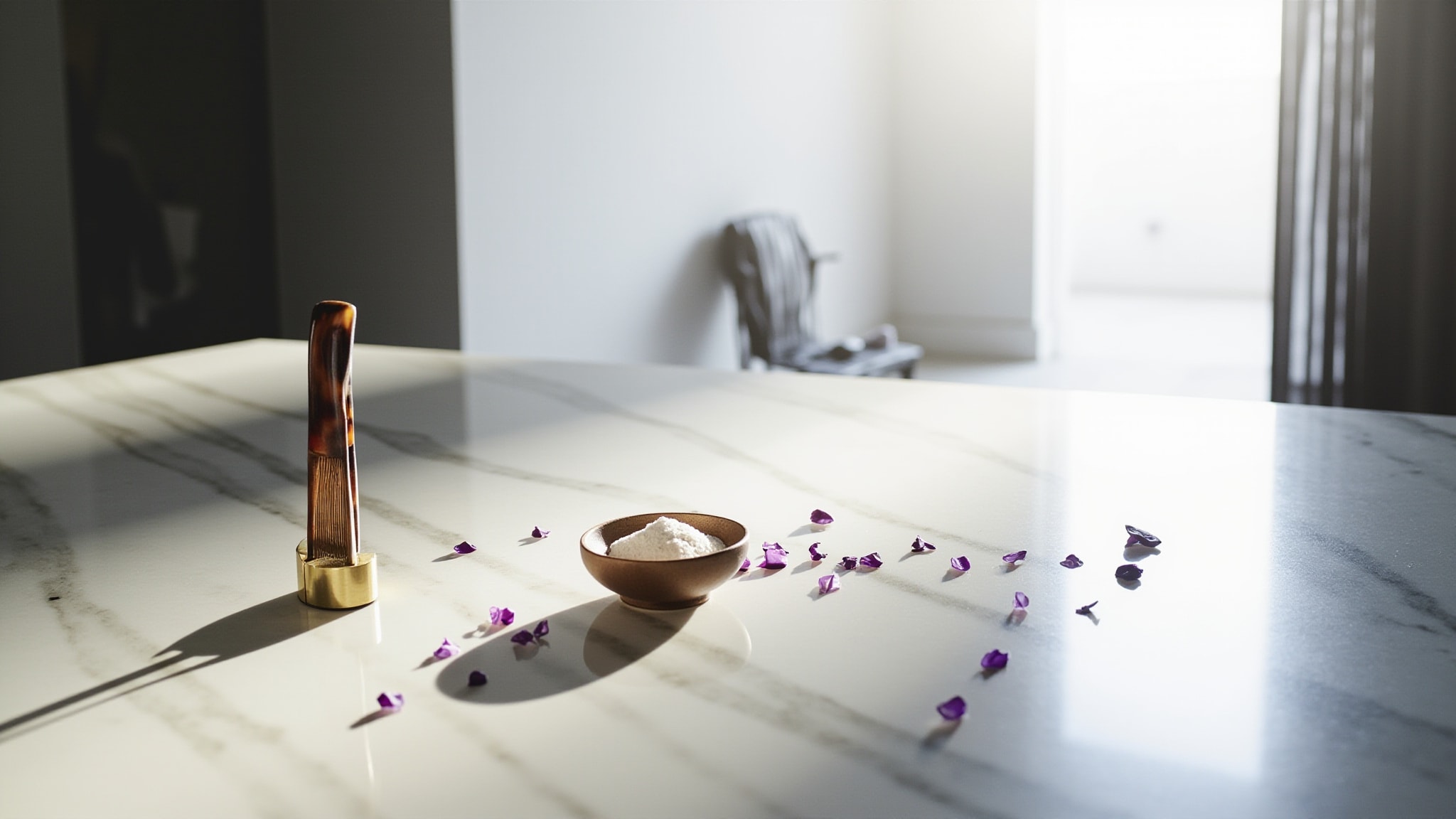
The opening is immediate violet, no warm-up act needed. There's a cool, almost chilled quality, like pressing petals between linen. Within the first fifteen minutes the powder deepens, settling into something close to face powder or the inside of a vintage vanity. The heart holds steady through the second and third hour, rarely shifting register. What surprises is the drydown's quietness. Where many fragrances build toward a warmer base, this one simply softens. The violet fades into a quieter impression that sits close to the body, detectable if someone leans in but otherwise private. The note gradually loses its crispness, becoming something more diffuse and skin-like without ever announcing a new ingredient. It's the same violet, only turned down in volume, the way a radio station fades at the edge of its range.
Cultural impact
Violet has long held a place in European perfumery as a quiet, powdered note, often tied to memory, intimacy, and a kind of faded romance. The flower's soft, dusty sweetness has suggested introspection and delicacy across generations of fragrance composition, and violet-based creations have appeared repeatedly in the canon of classic French perfumery as recurring motifs. Les Violettes continues that thread, offering a single-note meditation that reads as both nostalgic and quietly bold. The composition strips violet back to its essentials, refusing to bury the flower beneath layers of competing material.