The Story
Why it exists.
The beginning
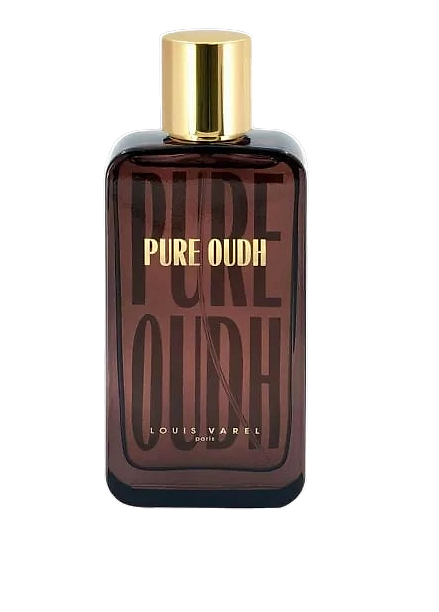
Louis Varel built its identity on accessible refinement, French craftsmanship without the weight of historic house names. Pure Oudh enters the lineup as a statement. Where other flank shots in the portfolio play safe, this one leans in. The name announces its intention before the first spray, and the composition follows through. There's no ambiguity about what's at the center.
What makes the structure interesting is how the rose operates. It doesn't arrive as a gentle floral bridge. It sits alongside the oud, slightly confrontational, refusing to become background texture. Violet and vetiver keep it grounded, the violet adds powder, the vetiver adds earth, and together they prevent either the rose or the oud from taking over entirely. Cedar bridges the two acts, connecting the bright opening to the deeper base.
The evolution
The mint and lemon hit first, cool and citrusy, almost clinical. Thirty seconds in, cinnamon arrives, not warming the opening so much as sharpening it. Then the hand-off begins. The citrus fades, the oud and cedar take over, and the rose appears somewhere around the five-minute mark, sitting alongside rather than softening. By the second hour, the leather and musk arrive, and the composition shifts from confrontational to settled. The drydown, around hour three, is intimate and close, musky, slightly animalic, the kind of scent that someone notices when they're standing beside you, not across it.
Cultural impact
Louis Varel's Pure Oudh arrived during the late 2010s oud revival when Western markets were developing an appetite for Arabian perfumery traditions. The brand positioned itself between accessible western fragrance design and traditional Middle Eastern oud compositions. The mint-lemon-cinnamon opening made oud approachable for newcomers, while the rose-oud drydown satisfied those seeking authentic oriental character. Pure Oudh represents a bridge between cultures, part of the broader conversation about how traditional ingredients like oud were being reinterpreted for contemporary tastes.