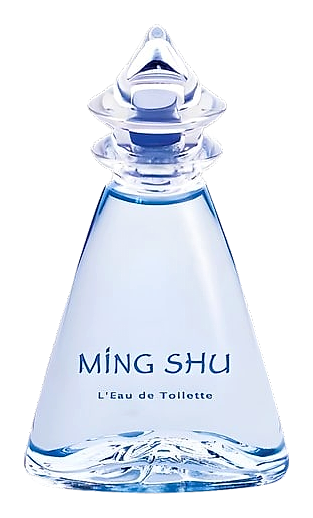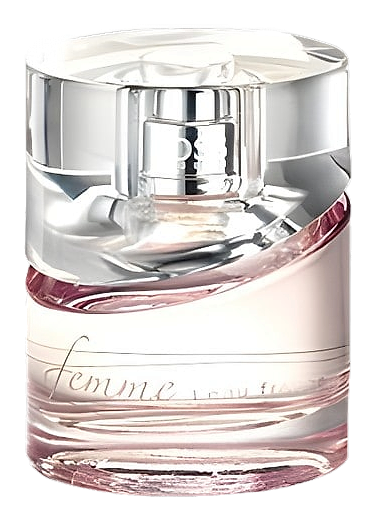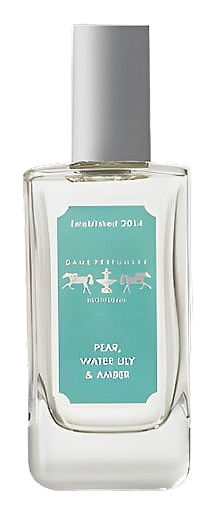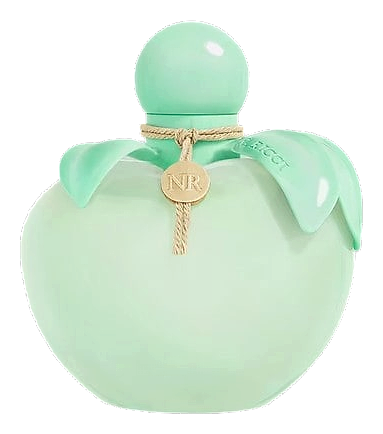

The Story
Why it exists.
The beginning
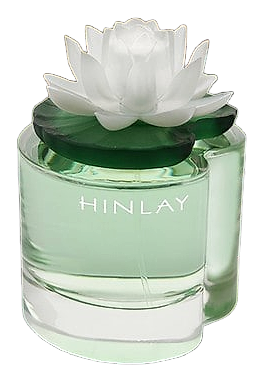
Hinlay pour Femme arrived in 2005 as part of Lorelyane's Hinlay collection, a curated line of gender-dedicated scents. The naming convention alone tells you something: the word Hinlay suggests something subtle, an underlay rather than an overlay. Hinlay pour Femme wasn't positioned as a statement fragrance. It was an invitation into a particular kind of calm.
What makes this structure interesting is how it handles the aquatic note without defaulting to synthetic water constructs. The lotus, an ingredient that reads differently on every skin, carries the watery quality in a way that feels natural rather than manufactured. That floral-watery tension, held together by a warm vanilla-musky base, gives the fragrance a specificity that stands apart. The interplay between the aquatic element and the deeper base notes creates a composition that feels considered rather than formulaic.
The evolution
The opening hits with watery freshness and a soft floral bloom almost simultaneously, no sharp citrus transition, no dramatic entrance. The lotus arrives clean, almost dewy, held up by a translucent woody note that keeps things grounded without adding weight. Within the first hour, the floral notes settle and the vanilla begins to surface, not sweet, just warm, like the memory of warmth rather than heat itself. By hour three, the musk and amber form a skin-close base that lingers quietly. On fabric, it outlasts skin by several hours, a faint trace the next morning that smells like someone was there, but didn't need to say so.
Cultural impact
Hinlay pour Femme arrived during a moment when the mainstream market was saturated with aquatic florals. The niche space was small enough that a 2005 release existed in its own sphere. It found its audience through retailers who appreciated more considered compositions. That positioning placed it in a specific cultural pocket: a fragrance for someone who was drawn to quieter, more introspective work rather than bold declarations. The scent invites discovery rather than demanding attention.