The Story
Why it exists.
The beginning
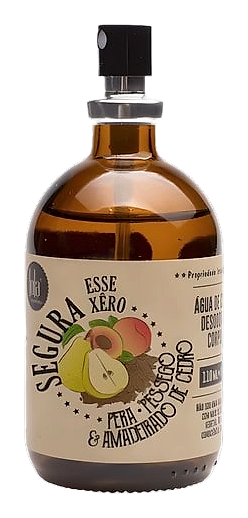
Lola Cosmetics started in 2008 in Curitiba as a haircare company run by two sisters, and the perfume line arrived later as an extension of the same Brazilian beauty ethos: playful, ingredient-forward, and priced for everyday wear rather than collector shelves. The brand leans heavily on Portuguese-language naming, and Pera, Pêssego e Cedro is one of its most literal translations, pear, peach, and cedar, three fruits and woods placed side by side on the shelf.
The brief for this release was apparently uncomplicated, a youthful, photogenic trio of notes that would read well in a 30 ml bottle sold in drugstores across Brazil. Rather than chasing complexity, the brand aimed for an instantly recognizable fruit-and-wood pairing that felt modern, slightly gourmand, and instantly Brazilian. That clarity of intent, three notes on the label, three notes in the juice, became part of the product's quiet charm.
The evolution
When Pera, Pêssego e Cedro first hit counters, the dominant impression was its candied peach top, a sugary, almost candy-like hit that some early wearers found a touch too sweet. After roughly two years of customer feedback in Brazilian retail forums, the formula appears to have softened, the cedar base now reads drier and more present, giving the fruit a more grown-up, woody spine. Today, the scent is worn as a year-round mood-elevating spritz by teenagers and young adults rather than as a heavy statement pour. Older wearers who skipped the initial launch often return to it as a clean, office-safe fruity option that does not pull toward the gourmand cloying zone. It has become a quiet reference point for how Brazilian drugstore perfumery can feel both playful and composed.
Cultural impact
Within Brazilian drugstore beauty, Pera, Pêssego e Cedro has become a small cultural shorthand for the Lola Cosmetics perfume line, often cited as a gateway scent for teenagers moving from body sprays to their first real bottle. Beauty creators in Brazil have made it a recurring subject in 'first perfume' recommendation videos, partly because the three-word Portuguese name reads cleanly on camera and partly because the price stays below the 80 reais mark at most retailers. It also appears regularly in tropical-climate fragrance roundups, where reviewers praise it for holding up in 30°C heat without turning sour or overly syrupy.