The Story
Why it exists.
The beginning
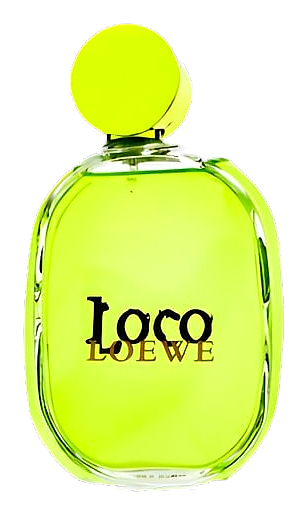
Loewe introduced Loco in 2009, a composition built by Carlos Benaïm and Yves Cassar. The name means 'crazy' in Spanish, but the fragrance itself is anything but. It's a deliberate statement from a Spanish luxury house with a German soul: rooted in tradition, rigorous in execution, yet willing to push against convention. The brief seemed simple: capture the vitality of a woman who moves through the world on her own terms. What emerged was a floral-forward composition with enough edge to stand apart from the safe florals crowding the market.
The structural choice here is the tension between heady florals and an earthy patchouli foundation. Most florals lean sweet in the drydown, Loco refuses. The jasmine sambac and rose absolute carry weight, but patchouli drags them back to earth before they can float into territory that's merely pleasant. The black pepper in the top is the quiet rebel, a flicker of spice that keeps the bergamot from reading as generic citrus. It's not a revolution. It's a course correction: florals that don't apologize for being florals, grounded by something real.
The evolution
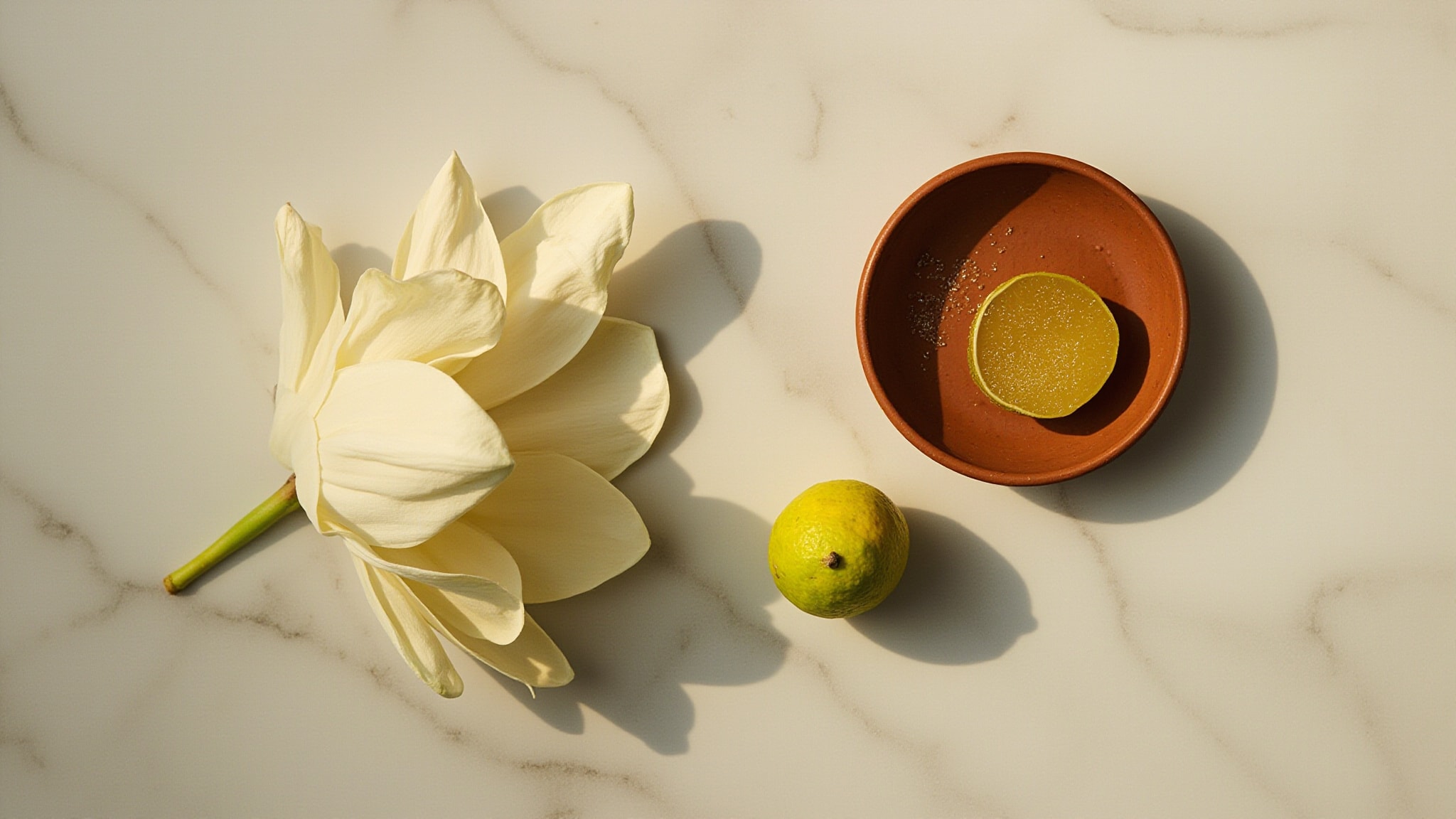
The opening lands clean and immediate, Italian bergamot cutting through like morning light. Magnolia arrives within seconds, adding a creamy white floral dimension that softens the citrus without diluting it. The black pepper is subtle but present, a faint heat beneath the brightness. Twenty minutes in, the handoff begins. The citrus recedes and the florals take over, jasmine sambac asserting itself with tropical intensity, rose absolute following close behind. This is the heart of the fragrance, the part that announces itself to anyone standing close. The base doesn't arrive so much as settle. Patchouli and fruity notes emerge slowly, wrapping around the floral heart and pulling it earthward. By the third hour, the roses have softened but the patchouli remains, close to the skin, intimate, present through the end of a long day.
Cultural impact
Loco arrived in 2009 during a period when the fragrance market was saturated with safe, crowd-pleasing florals. Loewe, operating from its position as a house that treats craft as the only luxury, offered something different: a floral composition that didn't apologize for being floral, grounded by patchouli in a way that felt intentional rather than accidental. The reception has been modest but consistent, appreciated by those who want a floral that actually means something, rather than one that merely smells pleasant.