The Story
Why it exists.
The beginning
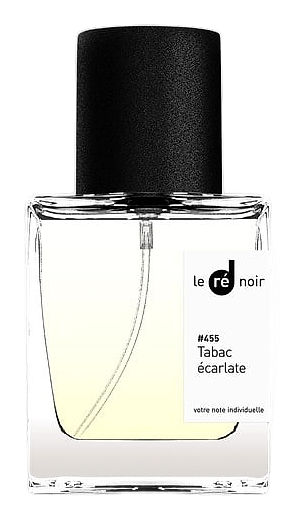
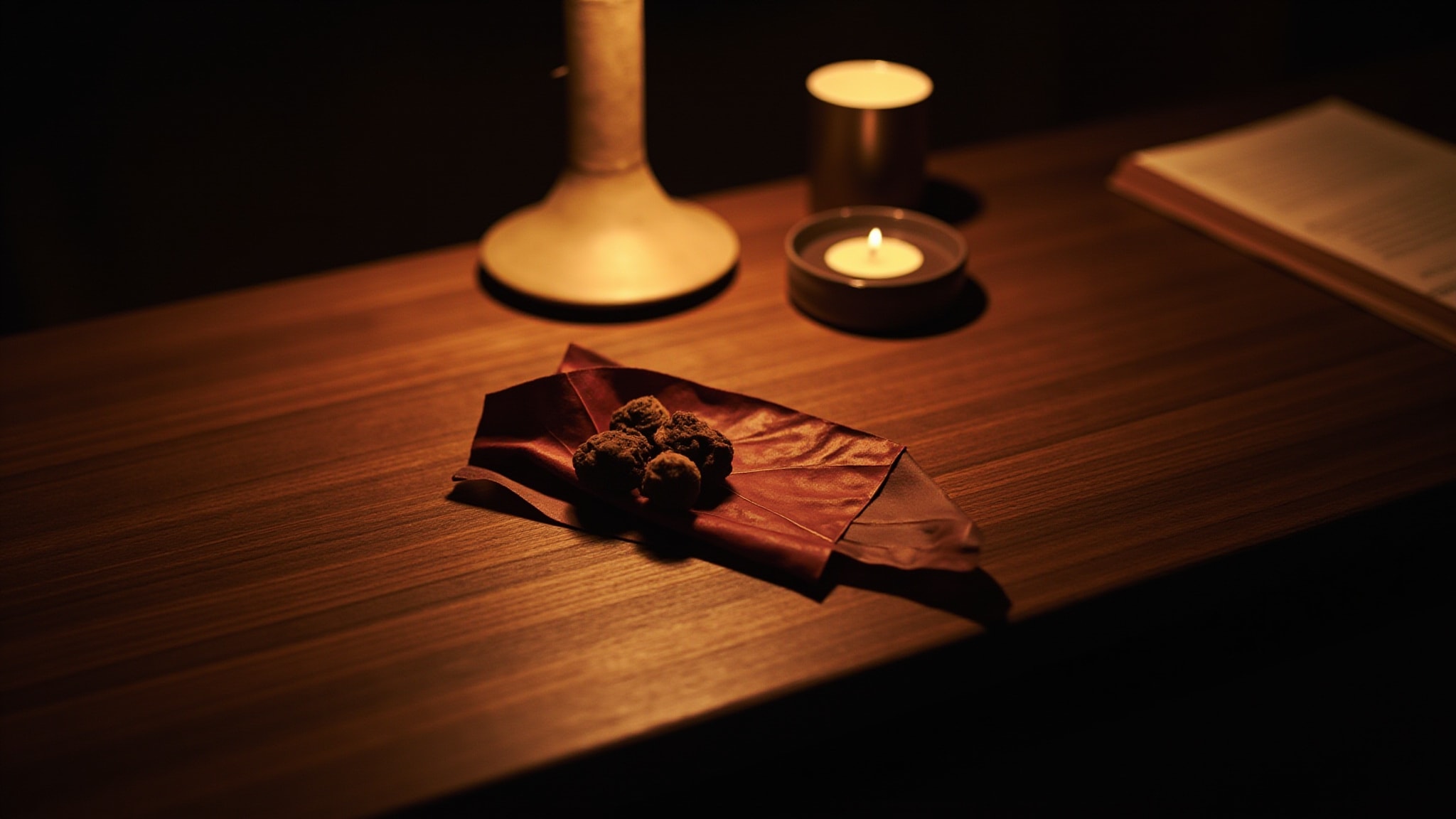
#455 Tabac écarlate arrived in 2023, part of a numbered catalogue that reads more like research notes than a perfume line. The name is literal: scarlet tobacco. Not the dry, papery variety of old pipe-smoker clichés. Something richer, fruit-fed, almost candied in its warmth. This one narrows its focus to a single mood: tobacco at full saturation, then dressed up enough to catch the light. The colour name carries weight too: écarlate, not the muted russet of a cured leaf but something closer to arterial red, a tobacco that's been steeped in something darker before it ever reaches the bottle. The numbering system suggests a perfumer keeping score, tracking variations, documenting how a single material can be pushed in different directions depending on what surrounds it.
What's interesting here is what was left out. No leather, no smoke, no oud to anchor it the way many tobacco fragrances reach for. Instead, the composition builds its weight from a tight rotation: tobacco, fruit, spice, vanilla. That restraint is the point. The fruit notes aren't there to sweeten the deal so much as to shift tobacco's usual gravity. The whole composition leans warm and soft, almost confectionery, before the spice cuts back in. Four notes doing real work, not a pyramid padded with structural filler. There's a clarity to that choice.
The evolution
The opening lands in a hurry, bright and almost boozy, like fruit macerating in something darker. That first stretch reads sweeter than many tobacco fragrances dare to go, and if you're expecting the usual leather-and-ash register, this is where you'll lose patience. Hang on. The spice tightens within the first hour, pulling the fruit back into the tobacco, and the whole thing darkens by degrees. Eventually the composition settles into something close to a spiced vanilla pipe blend, warm, dense, sitting close to the skin rather than projecting outward. The base holds with a quiet persistence: vanilla softens everything, the tobacco stays grounded but never harsh, and the fruit lingers as a faint sweetness underneath, like the memory of something you ate earlier in the evening. On fabric the next morning: vanilla, faint spice, a ghost of tobacco still warm.
Cultural impact
Wearers tend to find it denser and more confectionery than the genre norm, which divides opinion between those who want a tobacco that behaves and those who prefer the leather-and-ash register. It appeals to a specific kind of fragrance wearer: someone drawn to warmth without smoke, richness without heaviness. The composition's restraint, just four notes working in close conversation, makes it feel intentional in a market often crowded with elaborate constructions. There's an honesty to that simplicity.
The House
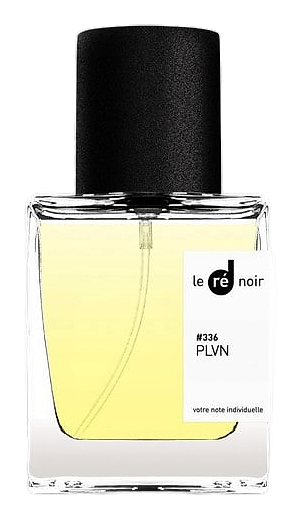
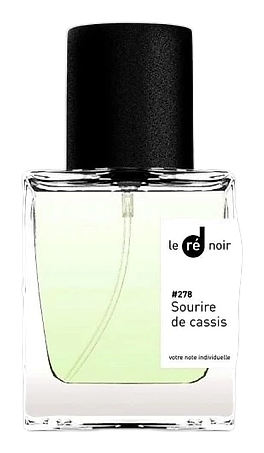
Le Ré NoirLe Ré Noir is a Russian niche perfume house that emerged in the mid‑2010s under the direction of perfumer Valery Sokolov. The brand curates a catalogue of more than 60 scents, each presented as a stand‑alone olfactory story rather than a seasonal collection. Its releases, such as the 2018 Sourire De Cassis and the 2022 Fleur de la paix, have attracted attention from independent fragrance communities for their willingness to blend familiar notes with unexpected accents. Le Ré Noir positions itself as a laboratory for curious noses, offering bottles that feel like miniature experiments waiting to be explored.
The Creator
Valery SokolovValery favors a linear construction that reveals a single note before it unfolds into a richer accord. He works primarily with vetiver, cedar, and ambergris, pairing them with unexpected accents such as dried fruit or spice.