The Story
Why it exists.
The beginning
Prêt à pruner, ready to prune. It's a phrase borrowed from gardening manuals, a straightforward instruction that carries unexpected weight when applied to fragrance. Valery Sokolov titled this scent in French, which gives the phrase a certain precision and literary edge. The idea underneath is simple: cutting back becomes an act of care rather than destruction. That tension between restraint and ripeness became the fragrance itself, a study in knowing when to hold back and when to let something grow. The scent captures that moment of purposeful reduction, where the decision to remove is just as important as what remains. It balances the urge to add with the wisdom of subtraction, letting each note breathe rather than compete.
Fig leaf is the star here. It's green in the way that crushed stems are green, that sap is green, that the first cut into a plant releases something sharp and almost medicinal. Combined with plum, which adds a dark, wine-like sweetness rather than the fresh bite of a just-eaten plum, the composition avoids the obvious. Sandalwood doesn't amplify the sweetness. It redirects it, wrapping the fruit in something warm and slightly creamy that keeps everything grounded long after the green note fades.
The evolution
The opening is bright and green, fig leaf leading with that characteristic sap-bright bite. The plum emerges more fully as the scent develops, adding dark sweetness that never tips into jam. The sandalwood asserts itself over time, shifting the composition from botanical to warm. The drydown settles into something close to the skin, with powdery wood and skin-warmth that lingers. The overall impression is of a fragrance that moves through its notes deliberately, each phase revealing a different aspect of the same idea. It's intimate rather than room-filling, the kind of scent you notice when you're close to someone.
Cultural impact
#409 Prêt à pruner offers a different approach to fig than many mainstream fragrances. The sparse note pyramid, fig leaf, plum, fig, sandalwood, reflects a philosophy that fewer ingredients can create more complex conversations. This fragrance works with restraint, letting each note appear and fade on its own terms rather than layering everything into a dense, uniform cloud. The result feels more like an olfactory study than a commercial product, something you smell and then think about, rather than simply detect. It's the kind of scent that invites conversation about what perfume can be.
The House
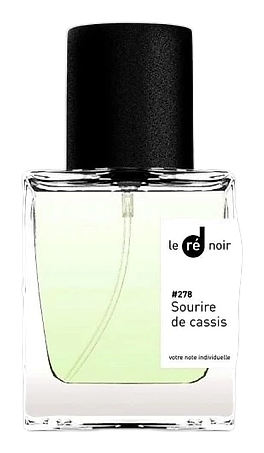
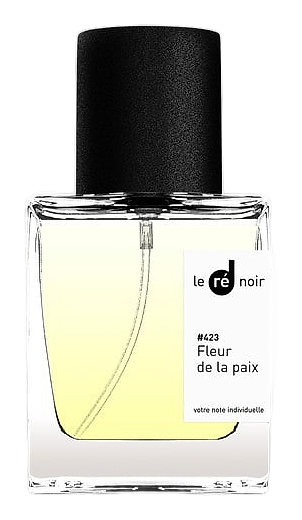
Le Ré NoirLe Ré Noir is a Russian niche perfume house that emerged in the mid‑2010s under the direction of perfumer Valery Sokolov. The brand curates a catalogue of more than 60 scents, each presented as a stand‑alone olfactory story rather than a seasonal collection. Its releases, such as the 2018 Sourire De Cassis and the 2022 Fleur de la paix, have attracted attention from independent fragrance communities for their willingness to blend familiar notes with unexpected accents. Le Ré Noir positions itself as a laboratory for curious noses, offering bottles that feel like miniature experiments waiting to be explored.
The Creator
Valery SokolovValery favors a linear construction that reveals a single note before it unfolds into a richer accord. He works primarily with vetiver, cedar, and ambergris, pairing them with unexpected accents such as dried fruit or spice.