
The Story
Why it exists.
The beginning
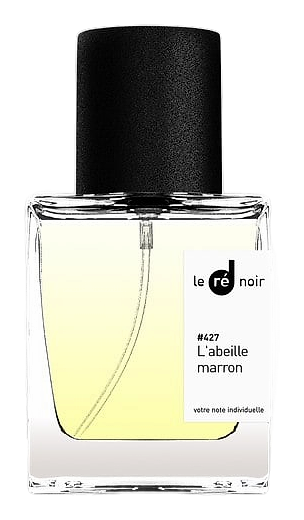
Valery Sokolov built L'abeille Marron around an unlikely question: what if the bee weren't golden? The name itself, L'abeille Marron, the brown bee, announces the intent. This isn't the bee that visits flowers. It's the one that found something else entirely. Chestnut brings a starchy quality that darkens the honey from the start. The sweetness here is not bright or fleeting. It settles into something deeper, more complex, as if the honey itself has been aged. Sandalwood adds warmth without sweetness, grounding the composition in something that feels deliberate rather than accidental. The overall effect is of a fragrance that begins where most honey scents end, moving away from the familiar territory of floral sweetness into darker, more substantial ground.
The core tension here is between sweetness and darkness. Honey wants to be bright. Chestnut wants to be dry. Sokolov lets them coexist by surrounding them with wood, sandalwood's warm presence and the structural weight of woody notes that keep the sweetness from climbing too high. The result is a fragrance that reads as warm without ever becoming loud. It smells like something being slow-cooked. Patient. Intentional. Not for people who want their fragrance to announce itself from across the room.
The evolution
The opening announces itself with a double note, honey and chestnut arriving together, neither one waiting for the other. The sweetness is dark, almost resinous, with none of the bright floral quality that usually accompanies honey accords. Within the first minutes, sandalwood begins its work, adding a warm counterweight to the chestnut's nuttiness. The transition isn't dramatic. It's a gradual shift from sweet-nutty to warm-woody, like watching a fire settle from flame into ember. The heart belongs to wood. Sandalwood anchors everything, preventing the honey from climbing into territory that would feel one-dimensional. The woody notes take over without erasing the sweetness entirely, instead, they transform it into something that reads as warmth rather than sugar. The drydown is where patience pays off. The honey fades into something skin-like, almost imperceptible.
Cultural impact
L'abeille Marron attracts a specific audience within the niche world, those drawn to fragrances that feel discovered rather than purchased. The community rating reflects a small but opinionated group, with votes that show a mix of strong appreciation and deliberate rejection of mainstream appeal. As a limited release from a house that rarely courts widespread attention, it appeals to the wearer who wants something others haven't yet encountered.
The House
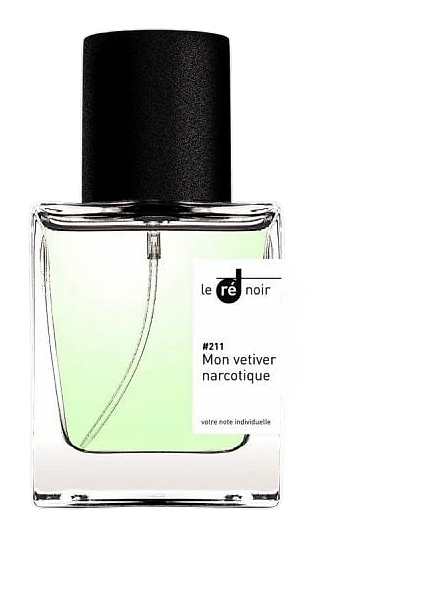
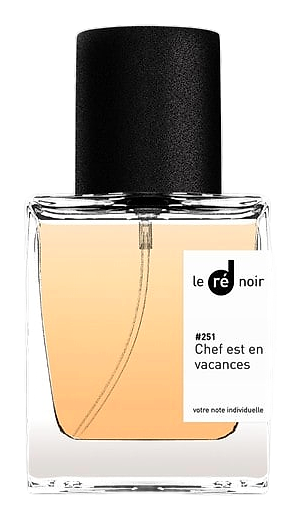
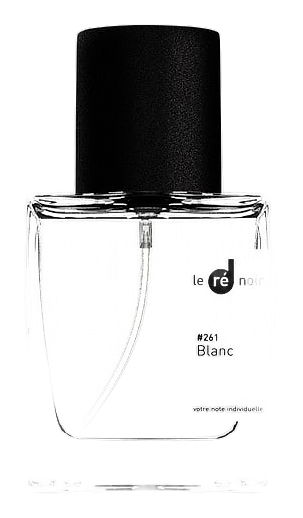
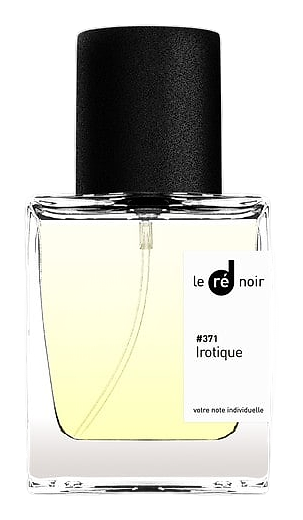
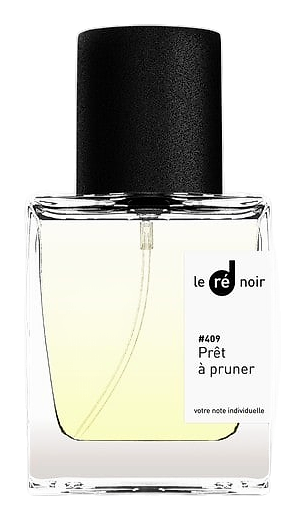
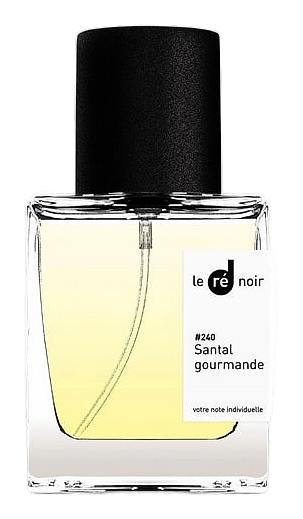
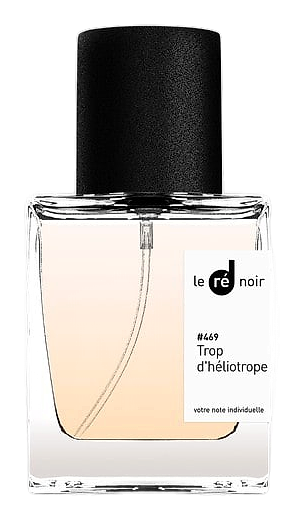
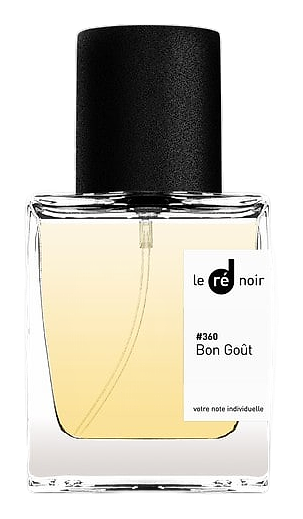
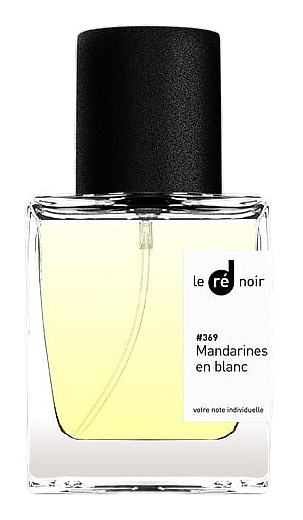
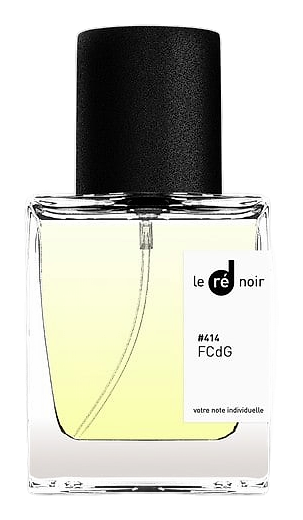
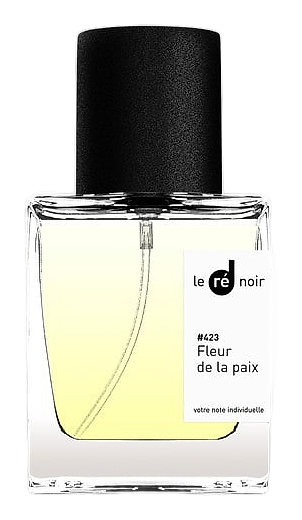
Le Ré NoirLe Ré Noir is a Russian niche perfume house that emerged in the mid‑2010s under the direction of perfumer Valery Sokolov. The brand curates a catalogue of more than 60 scents, each presented as a stand‑alone olfactory story rather than a seasonal collection. Its releases, such as the 2018 Sourire De Cassis and the 2022 Fleur de la paix, have attracted attention from independent fragrance communities for their willingness to blend familiar notes with unexpected accents. Le Ré Noir positions itself as a laboratory for curious noses, offering bottles that feel like miniature experiments waiting to be explored.
The Creator
Valery SokolovValery favors a linear construction that reveals a single note before it unfolds into a richer accord. He works primarily with vetiver, cedar, and ambergris, pairing them with unexpected accents such as dried fruit or spice.