
The Story
Why it exists.
The beginning
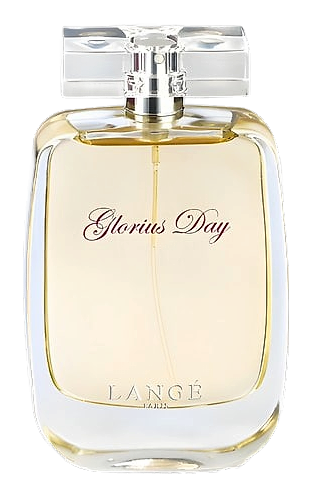
Glorius Day arrived in 2015 with a composition built around cedarwood, vetiver, grapefruit zest and pink pepper. The woody notes carry a dry, familiar texture, while vetiver adds an earthy register to the accord. Grapefruit zest contributes a bright, juicy quality, and pink pepper brings a measured spice to the blend. It's a fragrance that reads as woody, aromatic, citrusy, earthy and fresh, with each note doing its own work alongside the others.
The interesting part is the meeting point between notes that usually live in different corners of perfumery. Cedarwood brings structure and a dry, familiar texture. Vetiver contributes an earthy quality to the composition. Grapefruit zest adds its bright, juicy character, while pink pepper introduces a controlled spice. Together they create tension without becoming loud, a composition that can move from crisp morning energy into something quieter and more tactile as the day progresses.
The evolution
The first impression is a brisk lift of grapefruit zest and pink pepper, clean and lightly sparkling before the composition finds its footing. Cedar and vetiver take over steadily, changing the mood from fresh brightness to dry earth and polished wood. What lingers is the woody core, with pink pepper leaving a faint, rosy warmth rather than a blunt heat. By the middle of the day, the fragrance sits close but noticeable, with a moderate trail that carries through a workday. Its final hours are quieter and more mineral, with the grapefruit edge softened but not erased.
Cultural impact
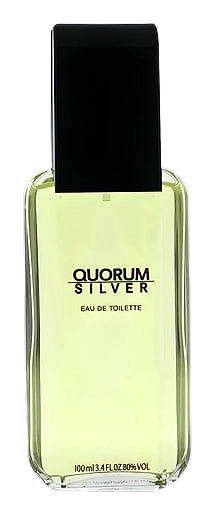
Glorius Day sits comfortably in the woody aromatic category, the kind of familiar terrain shared by fragrances such as Quorum Silver Eau de Toilette and Au Hasard by Louis Vuitton. Its distinctive angle is the pairing of polished wood with grapefruit zest and pink pepper, a combination that gives the composition a distinctive character within the category.