The Story
Why it exists.
The beginning
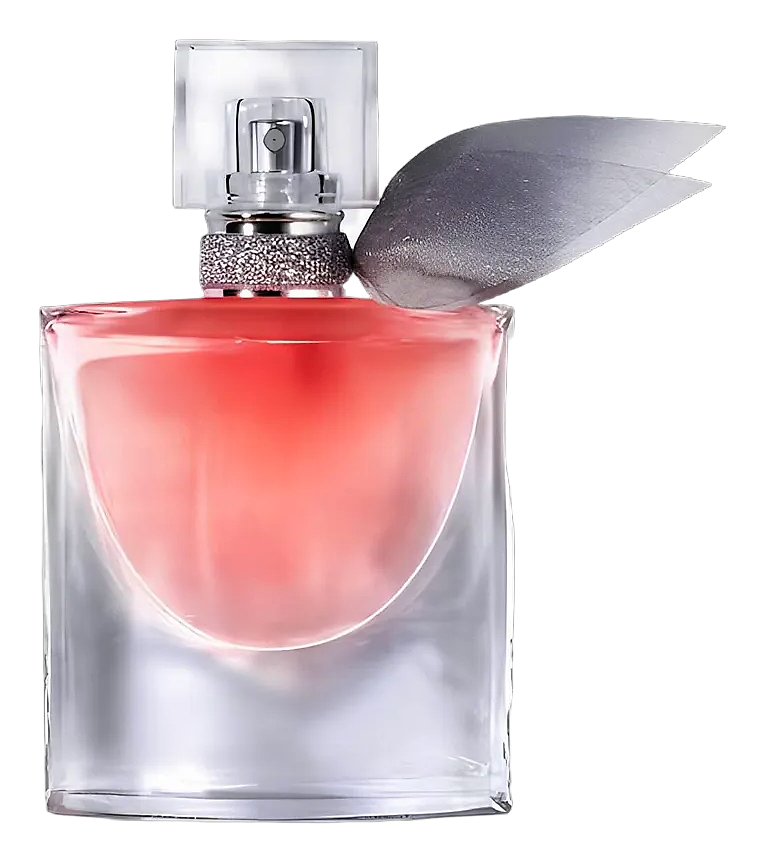
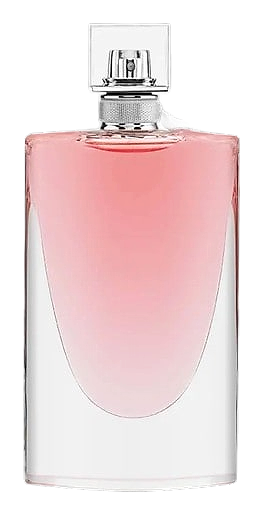
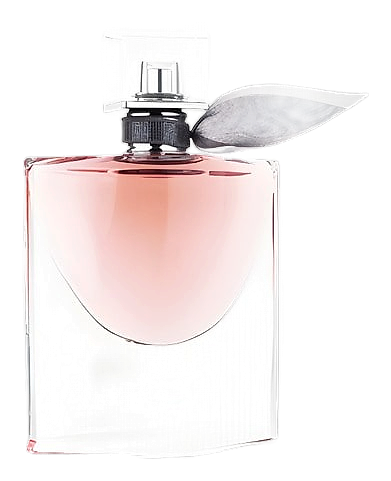
La Vie Est Belle arrived in 2012 with Julia Roberts and an inverted crystal smile bottle that made it impossible to miss. It became Lancôme's defining fragrance of the decade. By 2013, the house realized something: not everyone wanted to smell like they were competing for the room. Legere was the answer, the same perfume, the same three perfumers (Anne Flipo, Dominique Ropion, Olivier Polge), just recalibrated for warmer days and closer quarters. The goal wasn't a flanker. It was a permission slip.
What makes Legere interesting isn't what's different, it's what's preserved. The iris-jasmine heart, the praline-vanilla base, the whole sweet-fruity-gourmand architecture: all there. What changed was the air between the notes. Blackcurrant reads juicier here, less jam, more skin. The vanilla doesn't dive as deep. The white musk that was almost an afterthought in the original becomes a signature, a soft aura that keeps the sweetness from ever feeling heavy. It's a lesson in editing: knowing what to leave in is harder than adding more.
The evolution
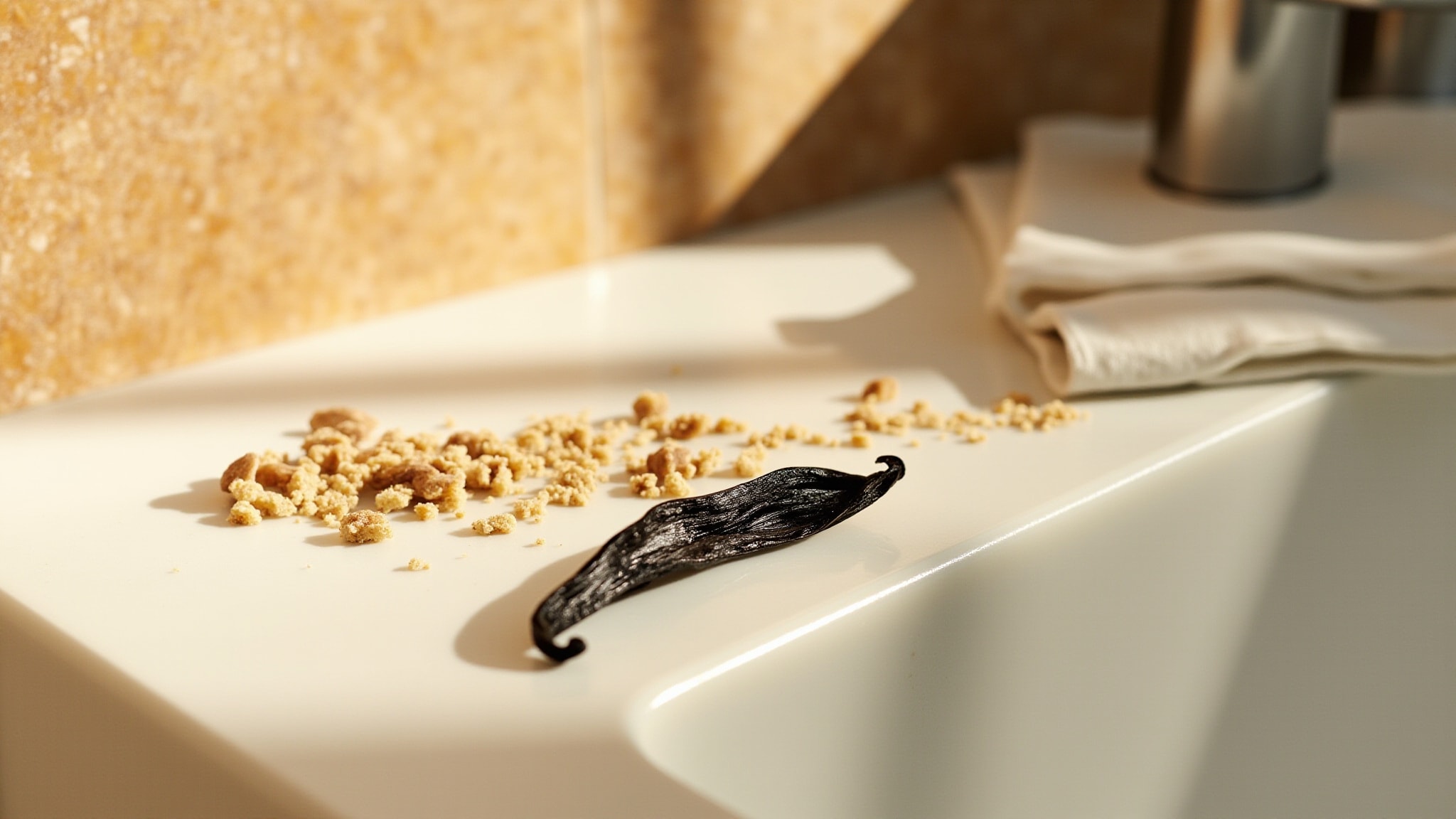
First thirty minutes: blackcurrant and pear, bright and tart, like biting into cold fruit on a warm morning. The sweetness builds from there, but it never goes syrupy, the jasmine and orange blossom keep lifting it, keeping air in the composition. Around the two-hour mark, the iris takes over. Powdery. A little rooty, almost mineral. This is where Legere earns its name, the iris doesn't overpower, it redirects. By hour four, the praline and vanilla arrive. That's the payoff: warm, edible, soft. The white musk threads through everything, keeping the whole thing close to the skin. Eight to ten hours on most people. Moderate sillage, you'll smell it. The person next to you might not unless they lean in.
Cultural impact
La Vie Est Belle has become one of the defining feminine fragrances of the 2010s and 2020s, with its message of joy and freedom resonating deeply across generations. The Legere interpretation reflects a broader cultural shift toward lighter, more breathable interpretations of signature scents. Lancôme recognized that modern women wanted accessibility without sacrificing sophistication, creating a bridge between casual daytime wear and the brand's luxury heritage. This lighter flank has helped the La Vie Est Belle franchise remain relevant as consumers increasingly seek nuanced alternatives to powerhouse fragrances.