The Story
Why it exists.
The beginning
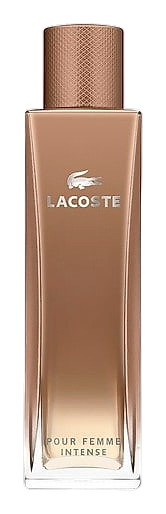
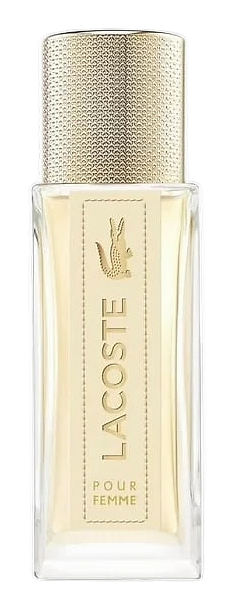
Olivier Cresp composed Lacoste Pour Femme in 2003, the year the brand moved more deliberately into the feminine side of fragrance. Cresp built this one around a specific kind of ease, the floral that feels like it was already in the room before you arrived. The composition pairs soft purple freesia against the architectural backbone of Mysore sandalwood and Himalayan cedar. The result isn't nostalgia or statement. It's presence. The opening greets you with a green-edged freesia that has just enough peppery lift from the pimento underneath to keep the air moving. You notice the freesia first because it carries the most voice, but the sandalwood and cedar are already doing quiet structural work beneath it, giving the whole thing a sense of placement.
The frankincense in Pour Femme gives the rose and jasmine a quiet lift, an almost ecclesiastical quality that keeps the bouquet from tipping into sweetness. Where many florals of the period leaned on white musk for their soft undercurrent, this one lets the incense do that work instead, and the effect is more contemplative, more architectural. The skin accord in the base functions less as a standalone note and more as a binding agent, a way to make the sandalwood and cedar feel like they belong to the wearer rather than to the bottle.
The evolution
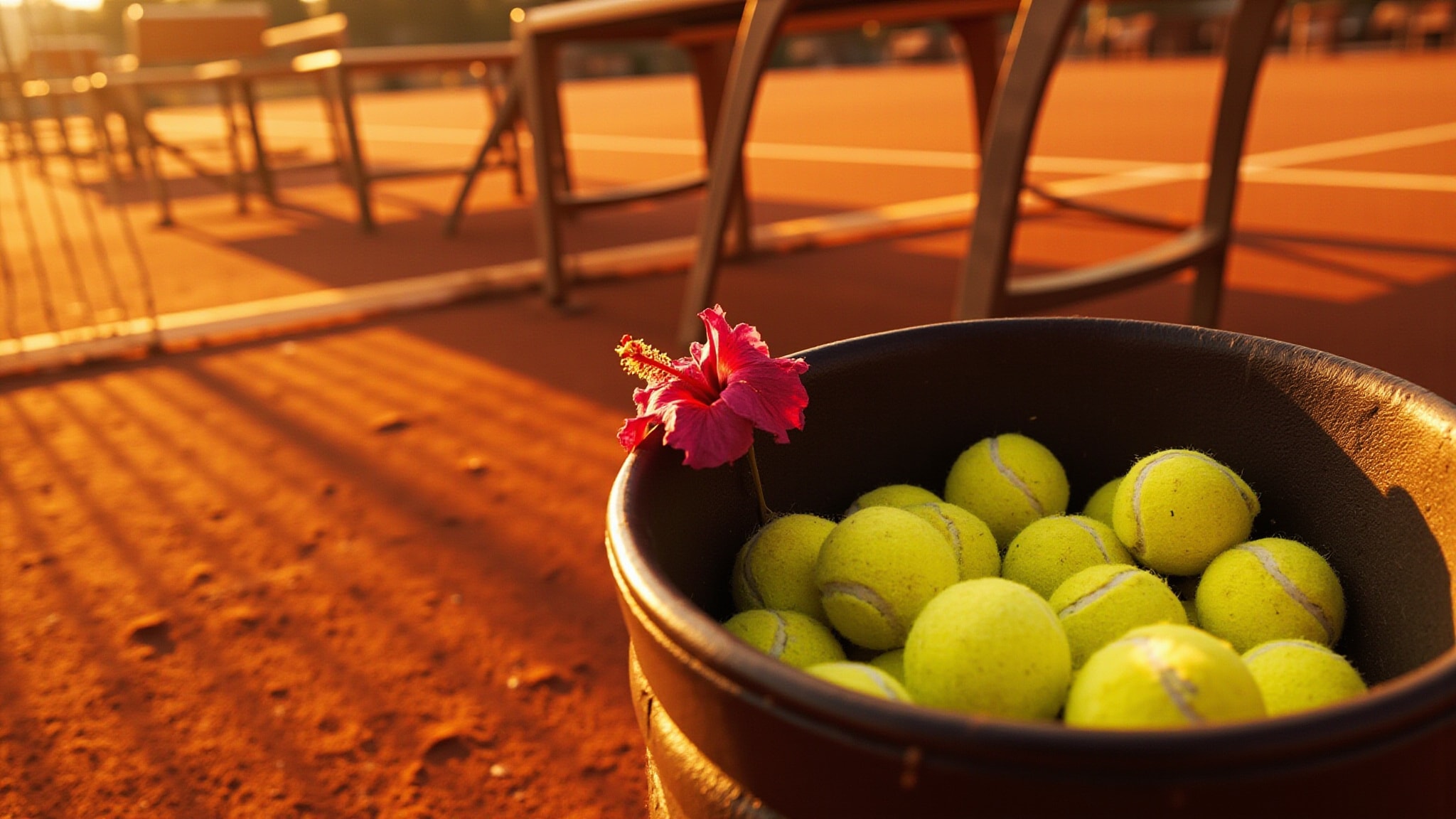
The opening belongs to the purple freesia, which lifts off the skin with a clean, almost peppery brightness that owes something to the pimento threading quietly underneath. It reads green at first, then turns more sheer and pearlescent, like the color of light through a glass of cold water. The heart settles in gradually, the freesia softening as the floral notes arrive. Persian jasmine enters soft, not indolic, more like clean linen than tropical humidity. Bulgarian rose arrives alongside it, but never dominates; it sweetens the freesia rather than replacing it. Heliotrope adds its almond-adjacent warmth, and hibiscus contributes a faint fruitiness that keeps the heart from going too soapy. The interplay between jasmine and rose here is unusually balanced; neither takes the lead, and that even-handedness is what gives the heart its calm, unhurried feel.
Cultural impact
Pour Femme arrived in 2003 as part of the brand's women's fragrance line. The face of the advertising campaign was actress Marie Bäumer, whose presence lent the launch a certain poise. The composition became a favorite among women who wanted a floral that didn't try to seduce or perform, the kind of scent that registers as 'she smells good' rather than 'what is she wearing?' It's the sort of fragrance that works best in proximity, rewarding close attention rather than demanding it from across a room.