The Story
Why it exists.
The beginning
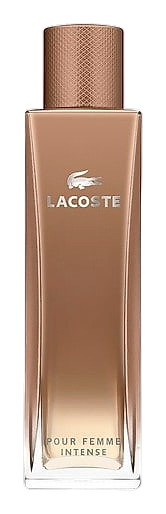
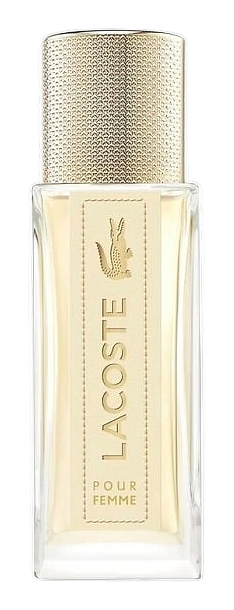
Lacoste launched Pour Femme in 2003, handing the brief to Olivier Cresp, a perfumer known for building softness around structure. The house had already built a name on athletic ease, breathable cottons, and the kind of elegance that moves through a day without raising its voice. Pour Femme translates that philosophy into scent: a floral-fresh composition built for the woman who steps onto the court of her own life without overthinking the outfit. Cresp's signature is layering cream over clarity, and that's exactly what landed here. Freesia and allspice open with a snap of brightness, then the heart unfolds into a quiet garden of heliotrope, hibiscus, Persian jasmine, and Bulgarian rose, materials chosen for their powdery, almost tactile warmth rather than their showiness.
What's clever about the composition is the base layer. Cresp didn't reach for the usual white musk. He built warmth from skin accord, cedarwood, Mysore sandalwood, and frankincense, materials with actual texture. The sandalwood does the heavy lifting, giving the floral heart a creamy undertow that keeps the powdery notes from drifting into soapy territory. Frankincense adds a cool resin edge, the kind that makes a clean floral feel architectural rather than decorative. The hibiscus is an interesting choice, less common than jasmine or peony in 2003 launches, lending a faintly green, watery lift to the heart that keeps the rose from going too dense.
The evolution
The opening is the speed: freesia and allspice hit within the first minute, sharp and peppery, almost like biting into a crisp apple with skin still on. It reads as fresh, almost green, and lasts about 15 to 20 minutes before the heart arrives. Then the jasmine and rose settle in, powdery and full, with heliotrope pushing the whole thing toward a soft, almond-like warmth. This is the longest phase, roughly 3 to 4 hours, and it's where the fragrance feels most like itself: floral, creamy, clean, but never boring. The drydown is where Cresp's structure shows. Sandalwood and cedar take over, warm and woody, with a faint resin hum from the frankincense. The skin accord does exactly what it promises, melding the whole composition into something that smells less like perfume and more like a person who happens to smell this way. Expect 4 to 6 hours total, with the base lingering on fabric well into the next morning.
Cultural impact
Pour Femme arrived in 2003 as part of Lacoste's expansion into women's fragrance, positioning itself as the everyday alternative to louder designer florals of the era. Wearers tend to describe it as a 'tennis-court fragrance,' clean enough for daytime, composed enough for after-work hours. It sits comfortably alongside other early-2000s clean florals but earns distinction through its sandalwood-cedar base, which gives it more staying power than most of its peers.