The Story
Why it exists.
The beginning
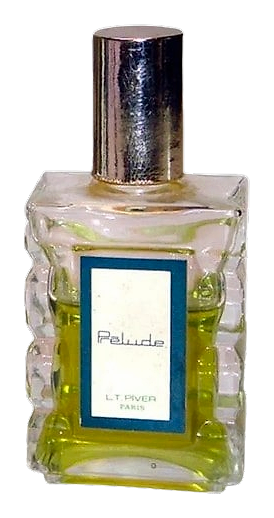
Prélude arrived in 1970, a release that came and went without a press tour, because the house has never needed one. The name itself suggests what's coming before it arrives. A prelude, in musical terms, sets the key and tempo for the piece. The fragrance does the same for whoever wears it, leaning into the chypre structure that defined the period's most considered feminine perfumery: green opening, floral heart, mossy-woody drydown, and enough warmth underneath to keep it from feeling academic. There's a particular restraint to the way it's built, the kind of composition that doesn't announce itself so much as settle into a room and wait for someone to notice. Prélude wears like a fragrance confident enough to let the wearer finish the sentence.
What makes Prélude worth noticing is what it omits. The accords read chypre, floral, spicy, woody, a four-way handshake that promises a classic. But the spicy-woody lean, as listed in the Parfumo classification, tilts the composition away from convention. There's less fizz, more grain. More earth, fewer fireworks. That balance is harder to build than it looks. Too much green and it smells like a forest floor. Too much spice and it tips into kitchen territory.
The evolution
The first thirty minutes are the greenest the fragrance gets. A bright, almost sharp opening lifts the composition into something clean, the kind of clarity that makes you check whether you've actually applied any. Then it pivots. The floral heart arrives without warning, a shift that feels less like a transition and more like a door closing behind you. Whatever the chypre framework keeps in reserve moves into the foreground, dusty and full, with the spice picking up rather than fading. This is the phase that lasts, the one that defines the wear. By hour three or four, the woods and the spicy undercurrent have taken over. The florals don't disappear so much as get pressed into the base, giving the wood something warm to lean against.
Cultural impact
Prélude sits comfortably alongside other archive pieces from the same era, a chypre floral with a spicy-woody tilt that gives it a distinct voice within the category. It was never a blockbuster release, which means the bottles that surface today tend to feel discovered rather than collected, the kind of vintage that rewards someone who knows what they're looking at. Wearing it feels less like following a trend and more like making a quiet statement about what you value in a fragrance.