The Story
Why it exists.
The beginning
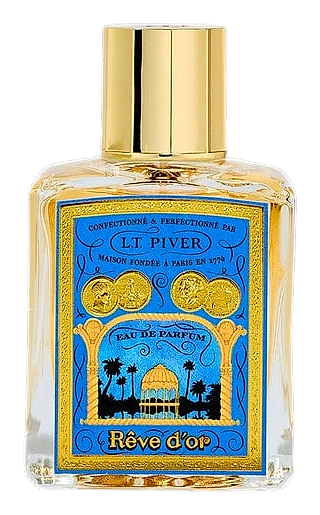
Gerbera arrived in 1925, a release that carried the weight of L.T. Piver's long history in French perfumery, a house rooted in a tradition stretching back to 1774. Named for the gerbera daisy, the fragrance marked a choice to anchor a scent in a botanical name rather than classical mythology. The composition is built as a floral, drawing on the soft, petal-like accord that defines the heart, with a quiet, powdery sweetness underneath that suggests violet or iris without naming either outright. It's a study in restraint, a composition built on clarity and softness, one that trusts the florals to do the work without ornament.
The structure is deliberately simple: a citric opening that clears the air, a floral heart that carries the composition without shouting, and a woody-musky base that keeps everything anchored. The powdery accord running through the drydown ties it to the iris-driven elegance the house is known for. On the skin, that powdery sweetness reads as soft and blended, a single impression of petals pressed between book pages rather than a list of distinct notes. The woody base settles in with a warm, slightly dry character, musk threading through to keep everything close.
The evolution
On skin, Gerbera opens with a quick, bright lift of citrus, the kind that feels like sunlight catching glass, clean and gone before you've registered it. The florals then take over, soft and blended rather than distinct, a single impression of petals pressed between book pages. There's a powdery sweetness underneath that suggests violet or iris without naming either outright. The woody base settles in gradually, warm and slightly dry, with musk threading through to keep everything close to the skin. The drydown is the longest phase: a quiet, woody-powdery hum that lingers well into the evening without ever pushing forward. On a scarf or the inside of a sleeve the next morning, it's still there, the soft floral and powdery trace still detectable against the fabric.
Cultural impact
Gerbera carries a quiet confidence, an elegance that doesn't need to announce itself to be noticed. For collectors, it represents a piece of L.T. Piver's 1920s output, a release from a house known for its powdery iris-driven elegance and its long history in French perfumery dating back to 1774. The fragrance suits someone whose taste is built on longevity rather than trend cycles, someone who values discretion and archival integrity in their collection. It doesn't chase novelty or try to stand out through projection; instead, it rewards close attention, a soft floral that reveals itself gradually to the wearer.