
The Story
Why it exists.
The beginning
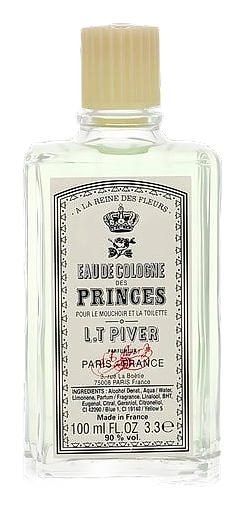
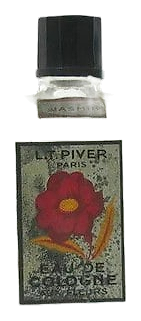
Launched in 1927 by L.T. Piver, Eau de Cologne aux Fleurs Jasmin folded jasmine into a cologne format rather than building a heavy parfum around it. The house drew on its long history of cologne work, and this release treats jasmine as a fresh, green, almost edible note, more about the living plant than opulence. The result is a feminine cologne that lets the flower breathe within a lighter, brighter structure. The jasmine here reads less like a classic soliflore and more like a stem cut fresh from the garden, carrying that green-leaf snap alongside the creamy warmth of the bloom. Cologne strength gives it a transparency you don't often find in jasmine compositions, where heavy bases and animalic undertones tend to dominate.
What makes this composition unusual is the format: jasmine delivered at cologne strength rather than the dense extraits the flower usually anchors. L.T. Piver's approach leans on the green, indolic edge of the bloom, the part that smells like stems and warm air rather than soap or syrup. The concentration keeps everything lifted, so the jasmine never collapses into the dense, waxy heaviness you find in many classic florals. Instead, you get the cooler, more vegetal facets of the flower, the chlorophyll brightness that sits just beneath the petals.
The evolution
On application, the fragrance opens with a crisp, green brightness that gives way almost immediately to the jasmine as it begins to bloom on the skin. The flower arrives creamy and warm, leaning slightly indolic in the way real jasmine does at dusk, with that faint animalic edge tucked just beneath the petals. As it settles, the composition becomes softer and more intimate, cooling against the warmth you bring to it. The cologne format means the sillage stays close, a personal aura rather than a cloud, and the jasmine reads more like a living flower than a constructed accord. Over time, the green facets fade and what's left is a gentle, vegetal sweetness, the memory of stems and soft petals rather than the full intensity of the bloom. The lightness of the base means it never turns heavy or cloying; it simply quiets, leaving a clean floral trace that lingers softly.
Cultural impact
This sits in a particular corner of perfumery, the kind of bottle that appeals to those drawn to older French floral construction. The jasmine-forward cologne format is uncommon enough to stand out, even among collectors who have handled hundreds of vintage French fragrances. Wearing it suggests an interest in how the classic houses approached white florals before the conventions of modern perfumery settled in. People who reach for it tend to know what they're looking for, an older sensibility, a lighter hand with a familiar flower, and the quiet confidence of a composition that doesn't need to announce itself.