The Story
Why it exists.
The beginning
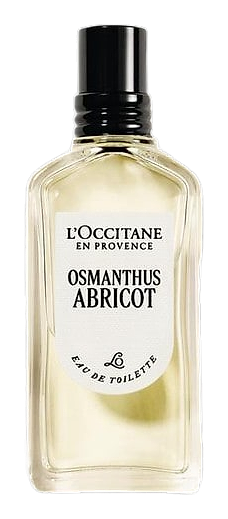
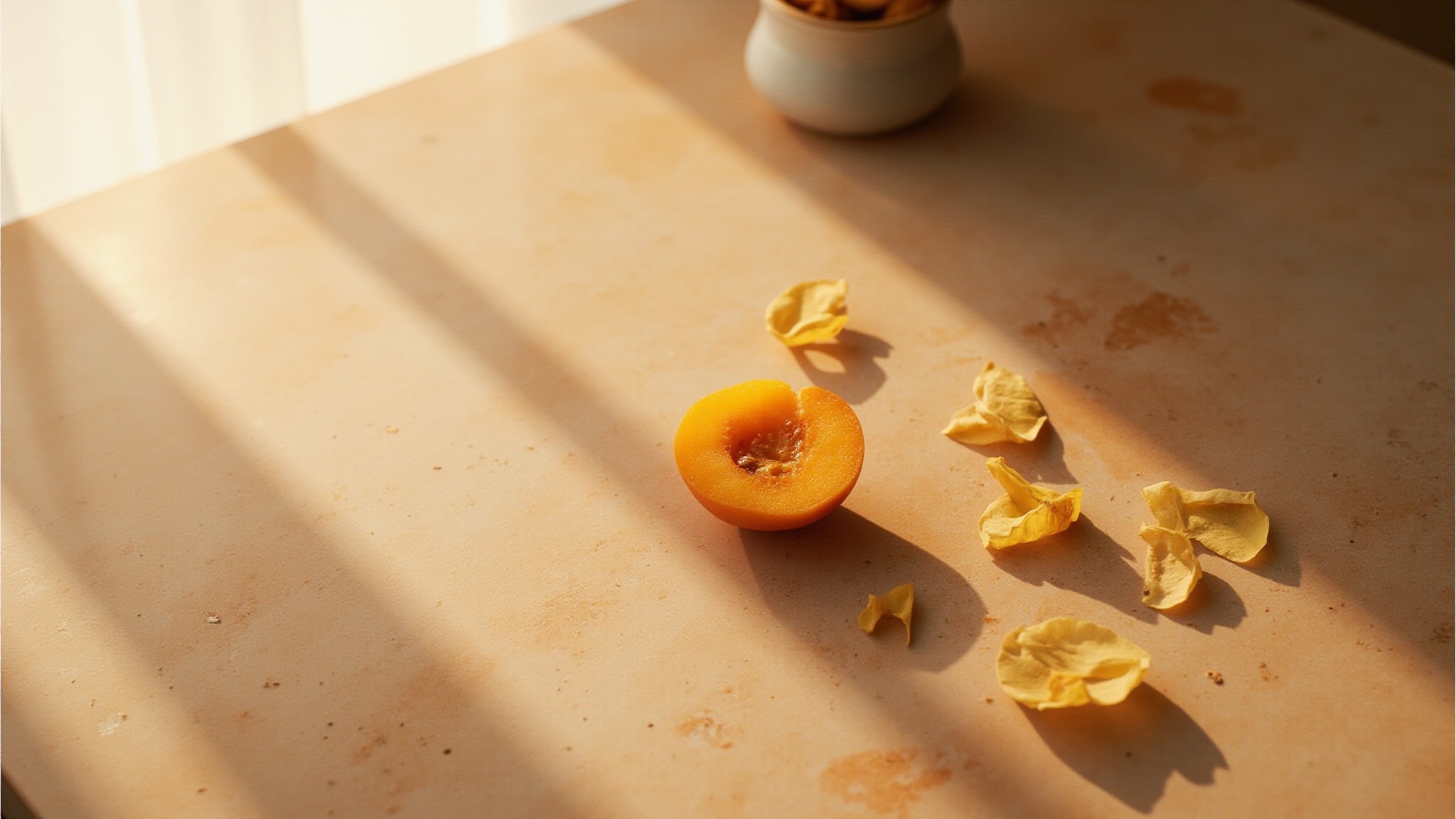
In 2025, perfumers Marypierre Julien and Michel Girard set out to capture something specific: the moment moonlight touches an osmanthus bloom as it opens. Julien has described this as an overwhelming sensation, a ray of moonbeam meeting velvety petals, and that image drives the entire composition. The name, Osmanthus Abricot, announces its two anchors from the start: the golden apricot and the delicate osmanthus absolute that forms the heart. It's a fragrance built from a single atmospheric idea, not a note checklist. The brief was clear: evoke serenity and intrigue in equal measure. The apricot had to feel sun-ripened and close, not synthetic. The osmanthus had to carry the weight it deserves, an ingredient beloved in China for centuries, a symbol of good luck that blooms when most flowers have already faded. And the base had to be creamy enough to extend the warmth without pushing the composition toward heaviness.
What makes this composition interesting is the tension between brightness and softness. The apricot opens juicy and almost tangy, given dimension by bitter orange zest, then almost immediately the osmanthus arrives, not booming, but settling in like it belongs. Carrot seed and Mahonial® add a green, slightly aromatic layer that keeps the sweetness honest rather than cloying. The base is where L'Occitane's commitment to natural ingredients shows: ambrettolide, a sustainable musk derived from plant sources, provides warmth without the heaviness of traditional animalic notes. Sandalwood and cedarwood then round the drydown into something creamy and close, present but never shouting.
The evolution
The opening arrives fast, apricot and bitter orange zest hit immediately, bright and sun-drenched. Pear adds a coolness underneath that keeps the sweetness from getting heavy. Within the first fifteen minutes, the osmanthus begins to assert itself, and this is where the fragrance pivots from fruity to floral. The transition is smooth, almost seamless, there's no gap between the apricot softening and the osmanthus arriving. The heart holds for roughly two to three hours, its sweet-fruity warmth the dominant impression. Carrot seed keeps things grounded with a subtle green note that prevents the osmanthus from going too abstract. The drydown takes its time arriving, sandalwood and cedarwood emerge gradually as the osmanthus begins to recede, their creaminess amplified by the ambrettolide. This is a close-skin fragrance throughout. Sillage stays moderate; the scent trails are intimate rather than room-filling. On most skin types, expect 4-6 hours of wear, with the woody-musky drydown lasting the longest.
Cultural impact
Osmanthus Abricot is a 2025 release that positions L'Occitane firmly in the space of elegant, wearable florals, avoiding the extremes of either hyper-natural minimalism or loud, projection-first perfumery. The osmanthus note itself is relatively uncommon in Western mass-market fragrances, making this a quiet differentiator for the house. The fragrance appeals to wearers who want something distinctive without shouting: the apricot-osmanthus pairing is unusual enough to be memorable, but the execution stays accessible. Spring and fall seem to be the natural territory, cool enough for osmanthus to read clearly, warm enough for the apricot to feel comfortable.