
The Story
Why it exists.
The beginning
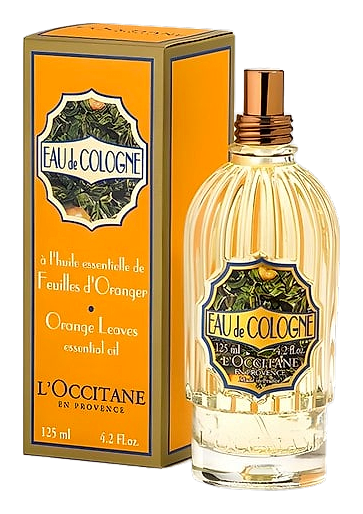
Orange Leaves arrived in 2001 from perfumer Delphine Thierry, L'Occitane's answer to a very specific question: what if you smelled the whole tree, not just the blossom? The name says it all. Feuilles d'Oranger. The leaves, not the fruit, not the flower. A cologne that reaches past the expected citrus-bloom sweetness and finds the green, bitter, honest part of the orange tree instead. Thierry built this around petitgrain, the leaf and twig of the bitter orange, letting it anchor the composition where other citruses would simply evaporate. Released at a moment when L'Occitane was expanding beyond its essential-oil roots into full fragrance collections, Orange Leaves represented something quieter than the brand's bolder launches: a botanical exercise in restraint.
The pyramid is small, mandarin, bitter orange, bergamot, petitgrain, but that's the point. Every note earns its place. The contrast between the bright, almost sharp top notes and the woody-green petitgrain base creates a composition that refuses to sit still. Most citruses peak in the opening and fade into nothing. Orange Leaves uses bergamot as a bridge, holding the freshness through the heart phase before petitgrain takes over, closer to skin, greener in character, lasting longer than you'd expect from a cologne this name.
The evolution
The opening arrives fast, mandarin and bitter orange pulling no punches. This is zest, not juice. Bright, almost sharp, with zero sweetness. You get about thirty minutes of this before the bergamot settles in, shifting the character from pure citrus to something more aromatic. The fresh-spicy facet emerges here. Then petitgrain. The leaf note. Not wood, not flower, green and alive and close to the bark. This is where most people either fall in love or decide the fragrance isn't for them. Petitgrain doesn't project. It hugs. Lasts four to six hours on most skin, pulling closest after the first hour, becoming something you smell on your wrist when you move, not something announced to the room.
Cultural impact
Orange Leaves sits comfortably in L'Occitane's quieter portfolio, a fragrance for someone who walks into a room without needing the room to notice. It found its audience in the wearers who return to it season after season, not for projection or compliments, but for the honest green-citrus character that stays close and behaves. The 2001 launch predates the niche fragrance boom; it exists in a pre-instagram era when a cologne could simply smell good without needing a story to justify wearing it. That simplicity is part of its appeal now.