The Story
Why it exists.
The beginning
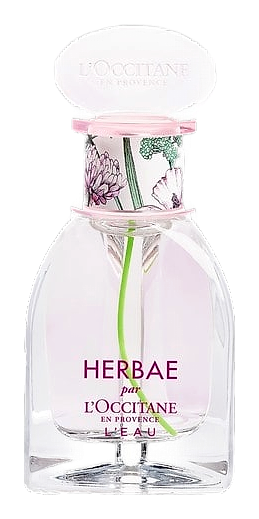
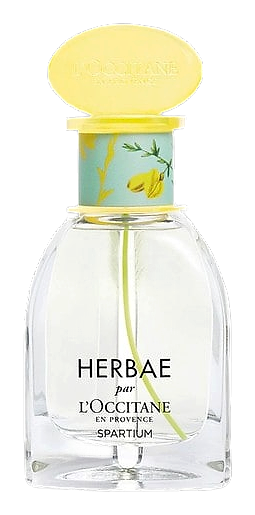
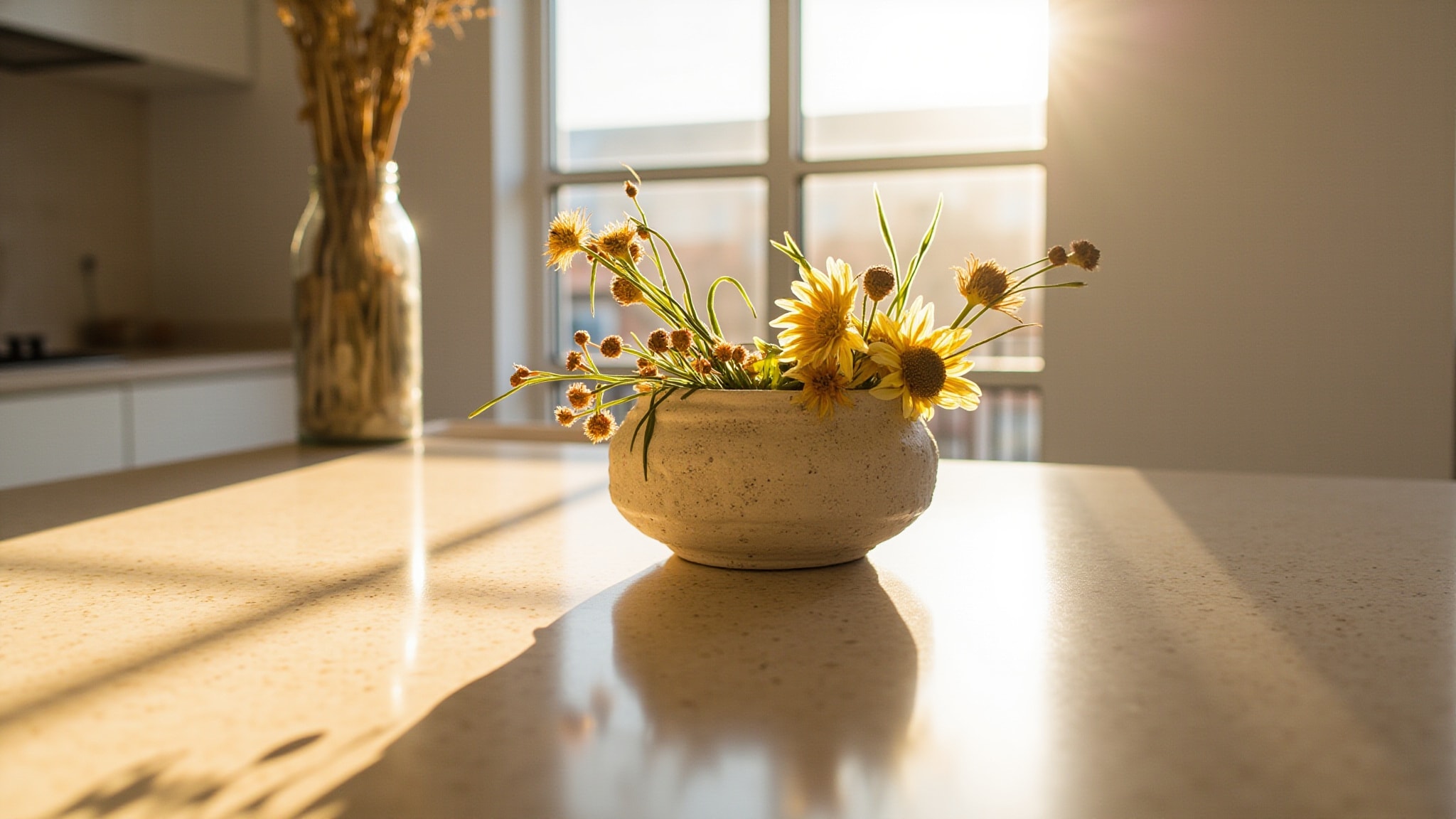
Herbae Spartium takes its name from Spartium junceum, Spanish broom, a tough shrub with papery yellow flowers that colonizes rocky hillsides across the Mediterranean without apology. The fragrance channels that spirit directly: wild grasses, interlaced with thorny flowers, an ode to natural beauty and untamed freedom. L'Occitane's 2023 release translates Provençal hillside into scent, green, tart, luminous. Not a gentle meadow. A working one.
The jasmine absolute is what sets this apart. In most fragrances it plays support. Here it's the main act, warm, opulent, slightly sweet. The risk with jasmine as a centerpiece is it can tip into indolic heaviness, but the sweetgrass absolute and broom absolute ground it with an aromatic, almost honeyed greenness. Ylang-ylang in the base amplifies the tropical creaminess while the woody notes keep everything from floating away. Sylkolide, a synthetic musky note, extends the wear without the animalic punch of traditional musks. It's a modern solution that lets the florals read clean and close.
The evolution
The opening hits tart and green, rhubarb leaf asserting itself with a vegetable sharpness that grapefruit doesn't fully temper. Thirty minutes in, the citrus recedes and the heart emerges. Jasmine doesn't creep in. It arrives, bold and sunny, with sweetgrass adding an herbal dimension that keeps it from going full diva. By hour two, the florals have softened into something creamier, ylang-ylang doing its warm, tropical work while the musky drydown keeps everything intimate. Six to eight hours later, on fabric especially, there's a faint sweet warmth. Not a ghost. More like the memory of a summer afternoon.
Cultural impact
Herbae Spartium finds its audience among wearers who want botanical authenticity over performance. The jasmine-forward heart isn't for everyone, some find it bold, others find it the reason they love it. The moderate sillage suits everyday wear: present without announcing itself, close enough to intrigue but never overwhelming. It sits comfortably in the space between niche and accessible, like the Provençal landscape itself, wild, but welcoming.