The Story
Why it exists.
The beginning
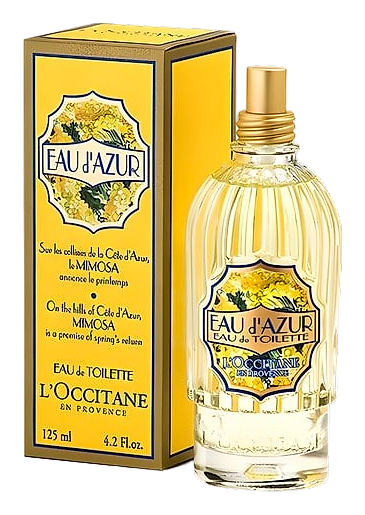
Eau d'Azur translates as 'water of the Azure', the deep, luminous blue of the Côte d'Azur at midday. Veronique Gabai grew up on the French Riviera and has spent her career trying to capture that specific quality of light: not the postcard blue, but the way it feels on bare shoulders at two in the afternoon. Pierre Negrin built the fragrance around that tension, the crisp, almost salty air at the water's edge, and the warmth that rises from sun-warmed stone just beyond the shade. The name says coast, but the scent says somewhere between the sea and the people enjoying it.
The note structure is unusual. Most fragrances keep their citrus in the opening and move toward warmth. Eau d'Azur holds both simultaneously, Italian lemon and neroli at the top, amber and frankincense arriving early enough that they feel like part of the same breath, not a later reveal. Guatemala cardamom adds a spicy counterpoint that prevents the amber from going sweet. Haitian vetiver and Paraguayan petigrain ground the whole thing in an earthy, green quality that keeps the coastal reference from going superficial. The heart notes repeat neroli, orange, and Italian lemon alongside the warmer materials, this isn't a fragrance that cleanly transitions from fresh to warm.
The evolution
The opening is immediate: Italian lemon and neroli, bright and Mediterranean, the kind of crisp that makes you smell the air before you smell the skin. Orange and cardamom arrive within minutes, pushing the composition toward warmth before you've even finished spraying. The heart phase brings frankincense and amber into conversation with the lavender, an aromatic-resinous quality that feels sun-warmed rather than churchy. Vetiver and petigrain add an earthy green layer that grounds the brightness. On drydown, the amber and musk take over, settling close to the skin in a warm, skin-close way that lasts for hours. The lavender doesn't disappear, it lingers as an aromatic thread running through the entire evolution, keeping the freshness alive even as the warmth deepens.
Cultural impact
Eau d'Azur captures a specific moment in fragrance history when Mediterranean summers became bottled memories. The composition reflects the broader 2010s trend of transparent, refreshing scents designed for urban escape, particularly in European markets where the concept of coastal freshness in a bottle became a lifestyle aspiration. L'Occitane's Provençal heritage gave this fragrance cultural credibility, positioning it as an accessible alternative to high-end Mediterranean blends. The choice of citrus-forward Neroli and orange blossom reflects a return to classical cologne structures, updated for contemporary tastes that favor complexity within lightness. This fragrance type has influenced the broader market's approach to seasonal scent offerings.